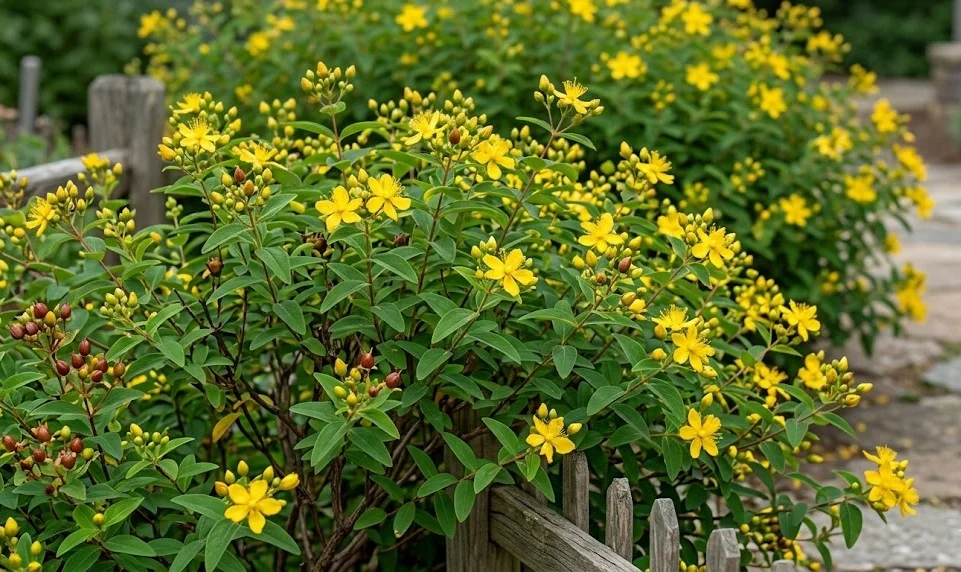

Pruning is a vital skill for any professional gardener, as it allows you to control the shape, health, and flowering potential of your shrubs. You should recognize that for this specific variety, the most effective time for major pruning is in the early spring, just before the new growth begins to emerge. This timing ensures that you don’t accidentally remove the buds that will form the summer’s floral display. Professional pruning is about working with the plant’s natural growth cycle to achieve a specific aesthetic and horticultural goal.
The primary reason to prune is to remove any dead, damaged, or diseased wood that may have accumulated over the winter months. You should always start your pruning session with this “cleaning” phase, as it gives you a clearer view of the plant’s overall structure. Removing these problematic branches prevents the spread of pathogens and allows the plant to focus its energy on healthy new shoots. A professional gardener’s eye is always looking for ways to improve the long-term vitality of the specimen.
Regular pruning also helps to rejuvenate older shrubs that may have become too woody or sparse in the center. By cutting back some of the oldest stems, you stimulate the growth of fresh, vigorous shoots from the base of the plant. This keeps the shrub looking youthful and ensures a high density of flowers year after year. You will find that the plant responds very well to this kind of “tough love,” rewarding you with a lush and vibrant display in the coming months.
You should always use high-quality, sharp tools for all your pruning tasks to ensure clean cuts that heal quickly. Ragged or crushed stems are much more likely to become infected by fungi or bacteria, which can compromise the health of the entire plant. Cleaning your tools before and after each use is a professional habit that prevents the inadvertent spread of diseases throughout your garden. Precision and hygiene are the hallmarks of an expert approach to plant maintenance.
Techniques for rejuvenation and shaping
When it comes to the actual cutting, you should aim to make your slices at a slight angle just above a healthy, outward-facing bud. This encourages the new growth to spread away from the center of the plant, maintaining an open structure that allows for good airflow. You should avoid leaving long “stubs” above the bud, as these will simply die back and can become an entry point for pests. This level of technical detail is what separates a professional pruning job from a casual one.
More articles on this topic
For a general rejuvenation, you might choose to cut the entire shrub back to about six to twelve inches above the ground every few years. This “hard pruning” technique might seem drastic, but it is a professional way to completely refresh a specimen that has lost its shape. The plant will quickly produce a whole new set of stems that are much more productive and visually appealing than the old wood. You will be amazed at how quickly the shrub recovers and reaches its full size again.
If you prefer a more natural look, you can use a “thinning” technique where you only remove about a third of the oldest stems each year. This maintains the overall height of the shrub while still encouraging a constant supply of new growth from the base. This method is often preferred for professional landscape borders where a more consistent and established appearance is required. By being selective in your cuts, you can subtly guide the plant’s development over many seasons.
You should also keep an eye on the overall symmetry of the plant as you work, stepping back occasionally to view your progress from a distance. This helps you to ensure that the shrub remains balanced and fits perfectly into its allocated space in the garden design. Professional gardeners are as much artists as they are scientists, and pruning is their way of sculpting the living landscape. Every cut you make should have a clear purpose and contribute to the overall beauty of the specimen.
Maintenance trimming and deadheading
Beyond the major spring pruning, you might also perform light maintenance trimming throughout the growing season to keep the plant looking tidy. You should feel free to snip away any stray branches that are growing too far out of bounds or obscuring neighboring plants. This constant, small-scale attention prevents the shrub from ever looking overgrown or neglected. It is a simple part of the professional routine that keeps a high-end landscape looking its best at all times.
More articles on this topic
Some gardeners choose to perform “deadheading,” which involves removing the spent flowers before they have a chance to set seed. While not strictly necessary for the health of this variety, it can help to maintain a cleaner appearance and may even encourage a small second flush of blooms. You should simply snip off the old flower heads just above the first set of healthy leaves below the bloom. This keeps the plant’s energy focused on its foliage and potential new buds rather than seed production.
As the late summer approaches, you should gradually stop any significant pruning or trimming to allow the plant to prepare for the winter. Late-season cuts can stimulate new growth that won’t have enough time to harden off before the first frost arrives. This is a common mistake that can lead to unnecessary winter damage and a slow start the following spring. Professional timing is about knowing when to act and when to step back and let nature take its course.
In conclusion, a thoughtful and well-executed pruning program is one of the most effective tools in your gardening arsenal. You should view every session as an opportunity to improve the health, shape, and beauty of your shrubs. With a bit of practice and a professional attention to detail, you will soon master the art of cutting back and rejuvenation. Your dedication to proper maintenance will be reflected in the spectacular and enduring quality of your garden or agricultural display.