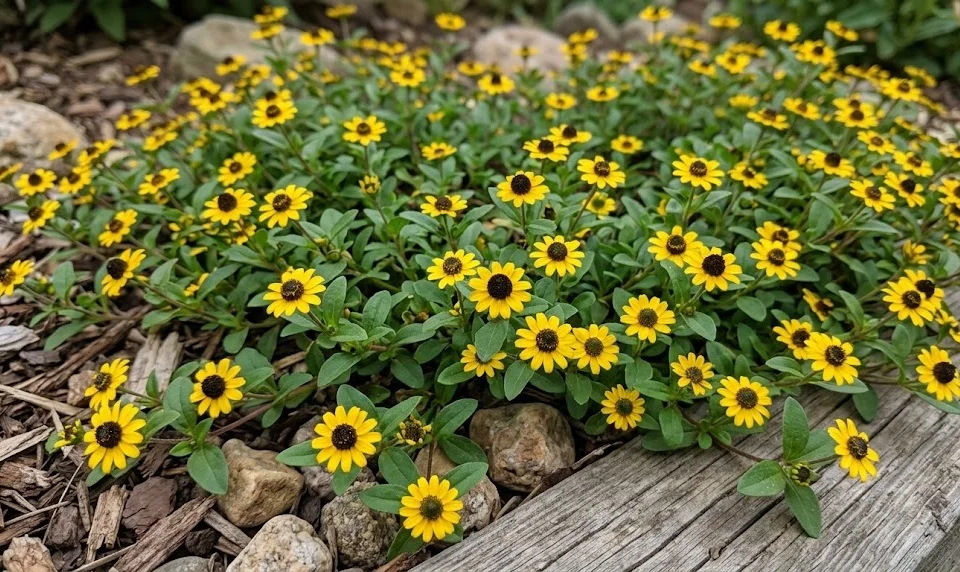

While creeping zinnia is most commonly treated as a summer annual, there are professional techniques for preserving it through the colder months. In many climates, the first frost marks the end of its life cycle in the garden, but with a bit of effort, you can extend its presence or even save specific plants for the following year. This process requires an understanding of the plant’s temperature limits and the specific care needed for an indoor environment. Successfully overwintering these golden bloomers can give you a significant head start when spring returns to your garden.
Understanding temperature limits
The creeping zinnia is a native of warmer regions, meaning it has very little natural tolerance for freezing temperatures. When the thermometer drops toward the freezing mark, the cellular structure of the leaves and stems begins to break down. You will typically see the foliage turn a dark, water-soaked color after a light frost, which is a clear sign of cold damage. Knowing your local hardiness zone and typical first frost dates is essential for planning any overwintering attempts.
If you want to keep your plants as long as possible in the autumn, you can use protective covers on chilly nights. Frost blankets or even old bedsheets can provide just enough insulation to keep the plants safe from a light, fleeting frost. Be sure to remove these covers during the day so the plants can still benefit from whatever sunlight and air circulation are available. This simple measure can often buy you several extra weeks of beautiful golden flowers before the true winter weather arrives.
For those who wish to keep the plants alive through the entire winter, they must be moved indoors before the first serious cold snap. Once a plant has been significantly damaged by frost, its chances of surviving the winter are greatly reduced. Timing is everything, and it is always better to bring them in a week too early than a day too late. Monitoring the local weather forecast becomes a daily task for any gardener looking to preserve their tender species.
In some very mild climates, creeping zinnia may even survive outdoors if given a protected spot and heavy mulching. However, this is quite rare and usually only successful in areas that stay well above freezing for the majority of the winter. Even in these regions, the plants will likely go into a semi-dormant state and stop flowering until the warmth of spring returns. For most of us, the indoor route is the only reliable way to ensure the plant makes it through to the next season.
More articles on this topic
Transitioning to an indoor environment
Moving a plant from the great outdoors to the controlled environment of a home or greenhouse is a significant shock. To make this transition successful, you should start by thoroughly inspecting the plant for any hitchhiking pests or diseases. It is much easier to deal with a few aphids outside than to have an infestation spread to all your indoor houseplants. A gentle wash with a mild soap solution or a spray of neem oil can help ensure the plant is clean before it enters your living space.
Pruning the plant back by about a third can help reduce the stress on the root system as it adjusts to lower light levels. This also makes the plant more manageable and encourages a tidier growth habit while it is indoors. Focus on removing any spindly or weak growth, leaving behind the sturdiest and healthiest stems. This “renewal” pruning gives the plant a chance to focus its limited energy on maintaining its core structure rather than supporting a large mass of foliage.
Choose a location for your overwintering plants that provides as much natural light as possible, such as a bright south-facing window. If your home is naturally dark during the winter months, you will likely need to use supplemental grow lights to keep the plants healthy. Without enough light, the creeping zinnia will quickly become leggy, pale, and prone to decline. Aim for at least six to eight hours of bright light each day to mimic the summer conditions it loves so much.
The humidity levels inside a typical heated home are often much lower than what a plant experiences outdoors. You can help combat this by placing the pots on a tray filled with pebbles and water or by using a room humidifier. Avoid placing your plants near heat vents or radiators, as the direct flow of dry air will quickly scorch the delicate leaves. A cool but bright room, such as a sunroom or a well-lit basement, is often the most successful environment for overwintering.
More articles on this topic
Winter maintenance and care
Once settled indoors, the growth rate of the creeping zinnia will slow down significantly as it enters a period of rest. During this time, you must adjust your watering routine to account for the reduced activity and lower light. Allow the soil to dry out more than you would during the summer, watering only when the top inch or two feels dry to the touch. Overwatering in the winter is the fastest way to cause root rot and lose the plant entirely.
Fertilization should be stopped or reduced to a very weak, infrequent application during the middle of winter. Feeding a dormant or slow-growing plant can lead to a buildup of salts in the soil, which can damage the sensitive roots. Wait until you see signs of new, vigorous growth in the late winter or early spring before resuming a regular feeding schedule. This follows the natural rhythm of the plant and ensures that the nutrients are available when the plant is actually ready to use them.
Keep a close eye on the foliage for any signs of indoor pests like fungus gnats or spider mites, which thrive in stagnant indoor air. If you notice any issues, treat them promptly with organic methods like sticky traps or insecticidal soap. Ensuring good air circulation around the plants, perhaps with a small fan on a low setting, can prevent many of these common indoor problems. A healthy plant is much easier to maintain than one that is constantly fighting off environmental stressors.
As the days begin to lengthen in late winter, you might notice the plant starting to produce more vibrant green leaves. This is a sign that it is waking up and preparing for the upcoming growing season. You can give it a light trim at this point to shape it and encourage bushier growth for its eventual return to the garden. This is also a good time to check if the plant needs repotting into fresh soil to provide a new boost of nutrients for the spring.
Moving back outdoors in spring
The final step in the overwintering process is the careful reintroduction of your plants to the outdoor world. Just like with seedlings, you must harden off your overwintered zinnias to prevent shock from the sudden change in temperature and light. Start by placing them in a shaded, protected spot for a few hours each day when the spring weather is mild. Gradually increase the time they spend outside and the amount of direct sunlight they receive over the course of about ten days.
Wait until all danger of frost has passed and the soil temperatures have warmed up before planting them back in the ground or their permanent summer containers. Moving them out too early can undo all the hard work you put in during the winter months. If a late spring frost is predicted, be prepared to bring them back inside or cover them securely for the night. Patience during this final phase is the mark of a truly professional and dedicated gardener.
You will often find that overwintered plants are much larger and more robust than new seedlings purchased from a nursery. They already have an established root system and are ready to burst into bloom as soon as the weather permits. This gives your garden an instant “mature” look and provides a much longer season of color. The sense of accomplishment that comes from successfully saving a plant through the winter is one of the great joys of gardening.
Once they are back in their summer homes, resume your normal routine of regular watering and fertilization. The plants will quickly respond to the intense sunlight and fresh air of the garden, growing rapidly to fill their space. You might even find that these “veteran” plants are more resilient to local pests and diseases than new arrivals. By following these professional steps, you have turned an annual into a cherished multi-season member of your garden family.