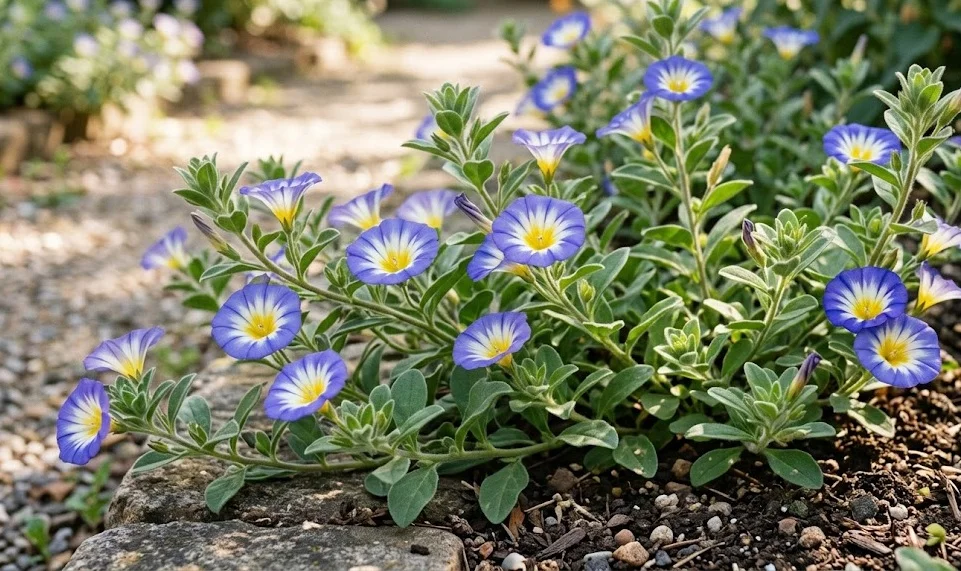

Maintaining a healthy garden requires a vigilant eye for the various diseases and pests that can affect the dwarf morning glory. While these plants are generally resilient, they can occasionally fall victim to environmental stressors or opportunistic organisms that thrive in certain conditions. Understanding how to identify these problems early is the key to preventing them from spreading and causing significant damage to your floral display. By combining preventive measures with targeted treatments, you can keep your garden looking its best throughout the entire growing season.
Fungal infections are among the most common issues faced by many flowering annuals, especially during periods of high humidity and frequent rain. Powdery mildew is a classic example, appearing as a white, flour-like dusting on the surface of the leaves and stems. If left untreated, it can cause the foliage to become distorted, turn yellow, and eventually drop off prematurely. Ensuring good air circulation and avoiding overhead watering are two of the best ways to keep this particular fungus at bay.
Root rot is another serious condition that usually results from poor soil drainage or excessive watering. If the roots are constantly sitting in water, they cannot access the oxygen they need to survive, causing them to decay and turn mushy. You might notice the plant wilting even though the soil is wet, or the base of the stem might start to turn brown or black. Prevention is really the only cure here, so always make sure your soil is well-draining and that you aren’t overwatering your plants.
Leaf spot diseases can also occur, characterized by small brown or black spots surrounded by a yellow halo on the leaves. These are often caused by bacteria or fungi that thrive in warm, wet environments and can spread quickly if the plants are crowded. Removing and disposing of any infected leaves as soon as you see them can help slow down the progress of the disease. Keeping the garden area clean and free of fallen debris also reduces the number of spores that can infect your healthy plants.
Common insect pests
Aphids are perhaps the most frequent insect visitors to the dwarf morning glory, often clustering on the tender new growth and the undersides of leaves. These tiny, sap-sucking insects come in various colors and can cause the leaves to curl and become stunted. They also secrete a sticky substance called honeydew, which can attract ants and provide a growing medium for black sooty mold. A strong blast of water from a garden hose is often enough to dislodge most of them and keep the population under control.
More articles on this topic
Spider mites are another common pest, particularly during the hot and dry periods of mid-summer when the plants might be slightly stressed. These microscopic creatures are hard to see with the naked eye, but you might notice fine webbing between the stems or a stippled, dusty appearance on the leaves. Because they thrive in dry conditions, increasing the local humidity or misting the plants can help discourage them from taking over. If the infestation is severe, using an insecticidal soap or neem oil can be an effective way to manage them.
Slugs and snails are notorious for their love of tender green foliage, and they can make quick work of a young dwarf morning glory seedling. They usually feed at night or on damp, cloudy days, leaving behind telltale slime trails and large, ragged holes in the leaves. Creating barriers with crushed eggshells or using copper tape around containers can help protect your plants from these slimy intruders. Regularly checking under pots and debris where they like to hide during the day is another good way to reduce their numbers.
Whiteflies are small, winged insects that look like tiny white moths and often fly up in a cloud when the plant is disturbed. Like aphids, they suck the sap from the leaves, leading to yellowing and a general decline in the plant’s health and vigor. They can be particularly troublesome in greenhouse environments or very sheltered urban gardens where natural predators are less common. Using yellow sticky traps can help monitor and reduce the adult population, while regular inspections help catch any egg clusters early.
Environmental and physiological stressors
Sometimes, what looks like a disease is actually the plant’s reaction to unfavorable environmental conditions, often referred to as physiological stress. For instance, extreme heat can cause the flowers to wilt prematurely or the leaves to develop scorched, brown edges. This isn’t caused by a pathogen, but rather by the plant’s inability to transport water fast enough to keep up with evaporation. Providing a bit of afternoon shade or increasing the watering frequency during heatwaves can often solve the problem.
More articles on this topic
Nutrient deficiencies can also cause symptoms that mimic certain diseases, such as yellowing leaves or stunted growth. If the plant lacks enough nitrogen, the older leaves will often turn a pale yellow, while a lack of iron can cause yellowing between the leaf veins. Before reaching for a pesticide, it is always a good idea to consider whether the plant simply needs a balanced meal. A quick application of a liquid seaweed or fish-based fertilizer can often restore the healthy green color within a week.
Sunburn can occur if plants that have been grown in a shaded area or indoors are suddenly moved into intense, direct sunlight. The leaves may develop bleached, white patches where the sun has literally damaged the cellular structure of the foliage. To prevent this, always “harden off” your plants by gradually increasing their exposure to the sun over a period of several days. Once the plant has acclimated to the higher light levels, it will be much more resilient and less likely to suffer from sun damage.
Pollution and salt spray are other factors that can affect the health of your plants if you live near busy roads or the coast. Airborne chemicals and salt can settle on the leaves, causing them to look dull or develop mysterious brown spots. Occasionally rinsing the foliage with clean water can help remove these deposits and allow the plant to breathe more easily. Understanding the unique challenges of your specific location is an important part of being a successful and responsive gardener.
Organic and natural control methods
If you do find pests or diseases in your garden, there are many organic and natural methods you can use before turning to harsh chemicals. Encouraging beneficial insects, such as ladybugs and lacewings, is one of the best long-term strategies for controlling aphids and other small pests. You can attract these natural predators by planting a variety of flowering herbs and avoiding the use of broad-spectrum insecticides. A healthy, biodiverse garden is much better at regulating its own pest populations without human intervention.
Neem oil is a versatile organic treatment that works against a wide range of both insect pests and fungal diseases. It is derived from the seeds of the neem tree and works by disrupting the life cycle of the insects and preventing fungal spores from germinating. It is generally safe for beneficial insects as long as it is applied correctly and not sprayed directly onto bees. Always read the label and apply it during the cooler parts of the day to avoid any potential leaf burn.
Homemade sprays can also be very effective for managing minor infestations of soft-bodied insects like aphids and mites. A simple mixture of a few drops of mild dish soap and water can be sprayed directly onto the pests to suffocate them. Just be sure to use a soap that doesn’t contain harsh degreasers or fragrances, and test it on a small leaf first to make sure it doesn’t harm the plant. Rinsing the plant with clean water a few hours after treatment is also a good practice to prevent soap buildup.
Using physical barriers and traps is another eco-friendly way to protect your dwarf morning glories from larger pests. As mentioned before, copper tape is excellent for repelling slugs, and row covers can protect young seedlings from hungry birds or insects. You can also use pheromone traps or simple light traps to monitor the types of insects present in your garden throughout the season. These proactive measures allow you to address problems while they are still small and manageable.
Preventive measures for a healthy garden
The best way to deal with pests and diseases is to prevent them from becoming a problem in the first place. Start with healthy, vigorous plants or high-quality seeds, as strong plants are naturally better at resisting attacks and recovering from damage. Avoid overcrowding your plants, as good air circulation is the single most important factor in preventing many common fungal diseases. Giving each plant enough space allows the leaves to dry quickly and makes it harder for pests to move between them.
Practicing good garden hygiene is another essential habit that will pay off in the long run. Always clean your gardening tools with a mild disinfectant after using them on potentially diseased plants to avoid spreading the problem. Remove any fallen leaves or spent flowers from the ground, as these can provide a hiding place for pests and a breeding ground for fungi. Keeping the area around your dwarf morning glories neat and tidy makes it much easier to spot any issues early on.
Crop rotation is a concept usually associated with vegetable gardening, but it can also be useful in the flower garden. If you had a particular problem with a soil-borne disease in one spot, try planting something different there next year to break the disease cycle. This gives the soil a chance to recover and reduces the buildup of specific pathogens that might target the dwarf morning glory. A diverse planting scheme is not only more beautiful but also more resilient to localized outbreaks.
Finally, spend time observing your garden every day and getting to know what “normal” looks like for your plants. Early detection is the key to successful pest and disease management, and you are much more likely to notice small changes if you are a frequent visitor. Watching the interaction between your plants and the local wildlife is one of the greatest joys of gardening and provides valuable insights into the health of your outdoor space. A proactive and observant gardener is always the best defense against any garden challenges.