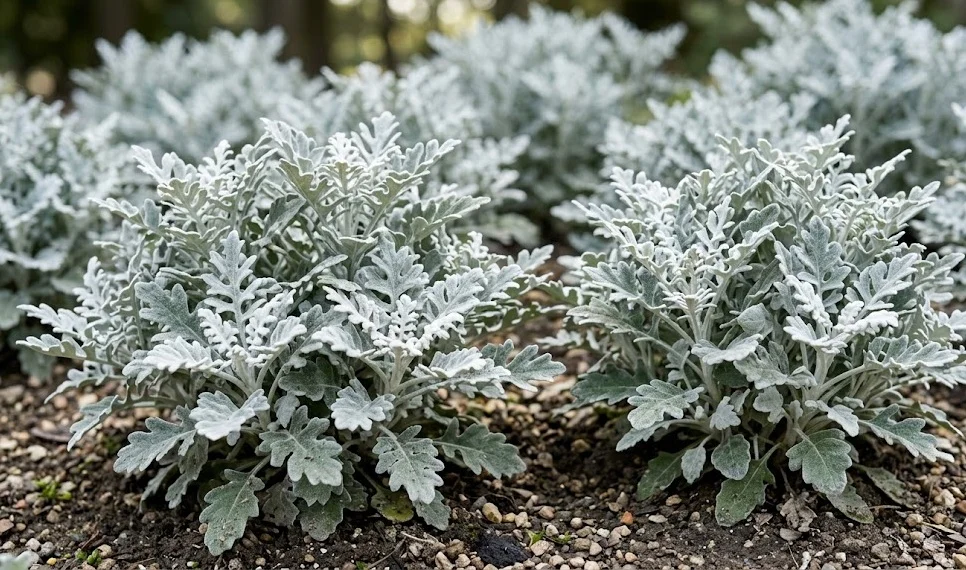

As the vibrant colors of summer begin to fade and the first frosts of autumn approach, the question of how to protect silver ragwort through the winter becomes a priority. While this plant is relatively hardy and can survive in many temperate zones, it is fundamentally a Mediterranean species that appreciates a bit of extra care during the coldest months. Understanding the specific physiological needs of the plant during its dormant phase is essential for ensuring it returns with vigor in the spring. By taking a few strategic steps now, you can preserve the structural beauty of your silver ragwort even when the rest of the garden is sleeping.
The degree of winter protection needed for silver ragwort depends heavily on your local climate and the specific conditions of your garden site. In regions with mild winters where temperatures rarely drop below freezing for extended periods, the plant can often remain in the ground with minimal intervention. However, if you live in a zone where the earth freezes deep or where there is heavy, wet snow, you will need to be more proactive. Knowing your hardiness zone is the first step toward making an informed decision about the best overwintering strategy for your specific situation.
One of the most important factors in winter survival is the moisture level of the soil, as silver ragwort is much more likely to die from rot than from cold itself. Wet, cold soil is a lethal combination for the roots, which can quickly succumb to fungal infections during the dormant period. You should ensure that the area around the plant is well-drained and that there are no low spots where water might collect and freeze. If your garden has heavy soil, you might consider lifting the plants and moving them to a more protected or better-drained spot for the winter months.
Mulching can be a double-edged sword when it comes to overwintering Mediterranean plants like silver ragwort. While a layer of mulch can protect the roots from extreme temperature fluctuations, it can also trap moisture against the stems and lead to crown rot. If you choose to mulch, use a light, breathable material like evergreen boughs or straw rather than heavy wood chips or compost. Always leave a clear space around the base of the plant to allow for air circulation, which is vital for keeping the tissues dry and healthy throughout the winter.
Moving silver ragwort indoors for the season
For gardeners in truly cold climates, the safest way to ensure the survival of silver ragwort is to move the plants indoors before the first hard frost arrives. You can easily transplant specimens from the garden into large pots filled with a well-draining potting mix designed for succulents or Mediterranean herbs. It is best to do this while the weather is still relatively mild to allow the plant to adjust to its new container before the light levels drop significantly. Once potted, the plants can be kept in a cool, bright location such as a sunroom, an unheated greenhouse, or a south-facing windowsill.
More articles on this topic
During their time indoors, the watering needs of silver ragwort will decrease significantly as its metabolic processes slow down in response to the shorter days. You should only water when the soil feels dry several inches down, and be careful never to let the pot sit in a saucer of standing water. Over-watering is the most common cause of failure when overwintering plants indoors, as the lack of intense sunlight and airflow makes it harder for the soil to dry out. Aim for a state of “controlled dryness” that keeps the plant alive without encouraging any new, weak growth.
Light is another critical factor for indoor survival, and you should provide as much natural brightness as possible to keep the foliage from becoming leggy. If you find that the plant is stretching toward the window, it is a sign that it is not receiving enough light to maintain its compact shape. You can supplement natural light with a simple grow light set on a timer to mimic the longer days of spring and summer. This will help the plant retain its beautiful silver color and keep its overall structure looking healthy and strong until it is time to go back outside.
Temperature management is also important, as silver ragwort prefers to be kept in a relatively cool environment during the winter months. Temperatures between forty-five and fifty-five degrees Fahrenheit are ideal for maintaining dormancy without causing the plant to experience unnecessary stress. Avoid placing your pots near heat vents or radiators, as the dry, hot air can quickly dehydrate the foliage and encourage pests like spider mites. A cool basement or a garage that doesn’t freeze can also work well if there is enough light available for the plant to stay green.
Managing outdoor specimens through the cold
If you decide to leave your silver ragwort in the garden, there are several things you can do to improve its chances of making it through to the spring. Providing a physical windbreak can protect the foliage from the desiccating effects of cold winter winds, which can be just as damaging as the low temperatures themselves. A simple structure made of burlap or even a group of taller, hardier shrubs can create a microclimate that is several degrees warmer than the surrounding area. This small difference can often be the deciding factor in whether the plant survives a particularly harsh cold snap.
More articles on this topic
You should avoid the temptation to prune your silver ragwort in the late autumn or during the winter months. The existing foliage provides a natural layer of insulation for the crown of the plant, helping to trap heat and protect the dormant buds from freezing. Any cuts made during this time will not heal quickly and can provide an entry point for diseases or cause further dieback of the stems. Wait until the spring when you see new growth starting to appear before you reach for your shears to tidy up the plant.
Snow cover can actually be a beneficial insulator for silver ragwort, as it protects the ground from freezing as deeply as it would if it were bare. However, heavy, wet snow should be gently brushed off the branches to prevent them from snapping under the weight. The plant’s stems can become quite brittle in the cold, so you must be careful not to cause any physical damage when you are clearing the garden. If you expect a lot of snow, you might consider placing a sturdy wire cage over the plant to help support the weight and keep the foliage from being crushed.
Monitoring the plant’s condition during occasional winter thaws can provide valuable information about how well it is coping with the environment. If you notice that the soil has become saturated or that there is standing water around the base of the plant, try to improve the drainage if possible. You might also want to check for signs of pests that can sometimes remain active during mild winter spells. Being attentive to these small details throughout the season will help you catch potential problems before they become irreversible and ensure a successful overwintering.
Transitioning back to the garden in spring
As the days begin to lengthen and the soil starts to warm, it is time to think about transitioning your silver ragwort back to its full active growth phase. If you have kept your plants indoors, you must gradually re-acclimatize them to the outdoor conditions through a process known as “hardening off.” Start by placing them in a sheltered, shady spot for a few hours each day and slowly increase their exposure to direct sun and wind over the course of two weeks. This prevents the leaves from being scorched by the sudden intensity of the spring sun and allows the plant to toughen up its tissues.
For plants that remained in the garden, the first task of spring is to remove any winter mulch and clear away any dead or damaged foliage. You will likely see some brown leaves or withered stem tips, which is perfectly normal after a long winter season. Once you are certain that the danger of hard frost has passed, you can prune the plant back to healthy, green tissue to encourage fresh new growth. This is also an excellent time to apply a light feeding of balanced fertilizer to give the plant a boost as it enters its most active period.
If you find that some of your silver ragwort specimens did not survive the winter, don’t be discouraged, as it is a common experience even for expert gardeners. Take the opportunity to examine why they failed and use that knowledge to improve your strategy for the following year. Perhaps the location was too damp, or the variety you chose was not quite hardy enough for your specific microclimate. Gardening is a constant experiment, and every season brings new lessons that help you become more successful in the future.
Successfully overwintering silver ragwort is a rewarding accomplishment that adds a sense of continuity and history to your garden. There is something special about seeing a plant that you have carefully tended through the cold months burst back into life with the arrival of spring. The shimmering silver foliage will once again provide that beautiful contrast and texture that makes this species such a favorite among horticulturalists everywhere. Enjoy the beauty of your resilient plants and the satisfaction of knowing that your hard work and care have truly made a difference.