
Light requirements of cotton lavender are the single most important factor in determining the plant’s health, structural integrity, and aesthetic appeal. This Mediterranean native is biologically programmed to thrive under the intense, unobstructed rays of the sun, which fuel its unique silver foliage and aromatic oil production. When you place this shrub in your garden, you are essentially providing it with the energy it needs to build its compact form and resist environmental stressors. Understanding how light interacts with the plant’s physiology allows you to make informed decisions about placement and care. This article provides a professional analysis of the solar needs of cotton lavender and how to manage them in a diverse landscape.
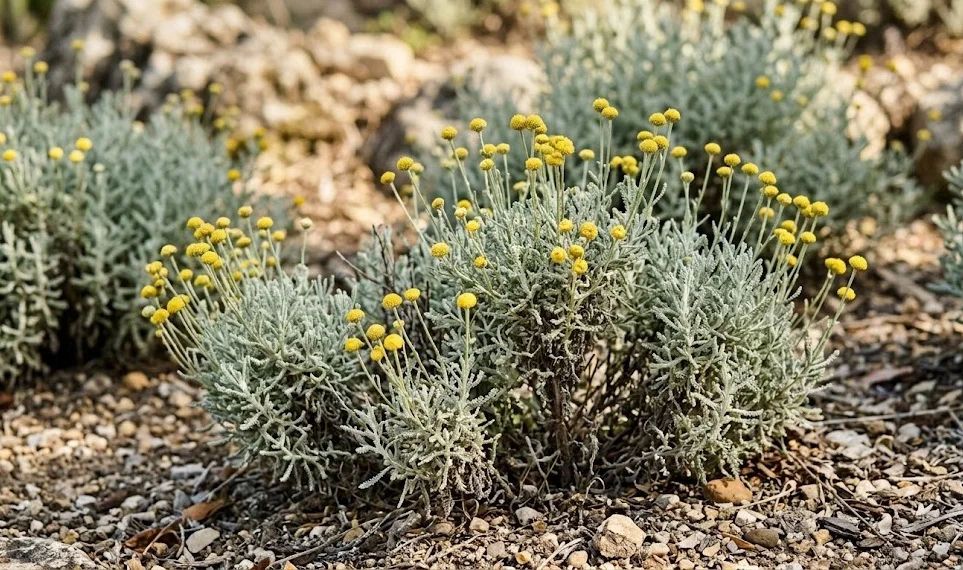
The primary rule for success with this species is that more light is almost always better for its long-term development. Ideally, the plant should receive at least six to eight hours of direct, unfiltered sunlight every single day during the growing season. In areas with high cloud cover or shorter days, you may need to find the absolute brightest spot on your property to compensate. Without this high level of solar input, the plant will quickly begin to lose its signature silvery hue, turning a duller shade of green as it struggles to photosynthesize efficiently. Observing the color and texture of the leaves is the best way to determine if your plant is receiving the energy it requires.
Shadow patterns in a garden are dynamic and change throughout the day and across the different seasons. What looks like a sunny spot in the height of summer might be deeply shaded in the spring or autumn when the sun is lower in the sky. You should monitor your chosen planting site at various times of the year to ensure that nearby trees, buildings, or fences do not eventually block the sun. A site that is sunny for only part of the day will result in a plant that leans or stretches toward the light source, destroying its architectural symmetry. Professional placement involves projecting the future of the landscape and ensuring consistent light exposure for years to come.
Light also plays a critical role in the plant’s natural defense system by keeping the foliage dry and the atmosphere around the stems active. The heat from the sun facilitates the evaporation of morning dew and rainwater, which is essential for preventing the fungal diseases that thrive in damp conditions. Furthermore, the intense UV rays help stimulate the production of the essential oils that give the plant its fragrance and protect it from pests. A sun-drenched plant is inherently more resilient and lower-maintenance than one that is constantly battling for light. Prioritizing solar exposure is the foundation of a successful Mediterranean-style garden.
Solar exposure and foliage coloration
The iconic silver color of cotton lavender is a direct result of the plant’s adaptation to high-light environments. Each leaf is covered in a dense mat of tiny, reflective white hairs that serve as a natural sunscreen and help reduce water loss. When the plant receives ample sunlight, it produces more of these hairs, resulting in a brighter and more intense silver appearance. If you move a silver plant into a shaded area, it will often produce new leaves with fewer hairs, causing the plant to look greener and less striking. This color shift is a clear physiological signal that the light levels are insufficient for the plant’s natural growth habit.
More articles on this topic
In addition to color, the intensity of the light influences the thickness and toughness of the leaf cuticle and the strength of the stems. Plants grown in full sun have a more compact, “hardened” structure that is better able to withstand wind, rain, and physical damage. The short internodes—the space between the leaves on the stem—created by high light levels result in the dense, bushy appearance that gardeners value. In contrast, low light levels lead to “etiolation,” where the plant stretches its stems in an attempt to reach more light, resulting in a weak and floppy shrub. Maintaining a high-light environment is the only way to achieve the professional, well-defined look of a healthy cotton lavender mound.
The reflection of light from the surrounding environment can also contribute to the plant’s overall energy budget. Placing your shrubs near white walls, light-colored gravel, or stone pathways can increase the amount of diffuse light reaching the lower and inner branches. This “secondary light” helps keep the bottom of the plant from becoming bare and woody as it matures. Utilizing the reflective properties of your landscape materials is a clever way to boost the health of your sun-loving plants without changing their location. A professional gardener understands how to manipulate the entire environment to maximize the benefits of the available sunlight.
It is important to remember that light requirements do not diminish just because the temperatures are high in the summer. Cotton lavender is exceptionally heat-tolerant and will not “burn” even in the most intense afternoon sun, provided its roots have access to minimal moisture. In fact, the combination of heat and high light is exactly what triggers the plant to release its famous fragrance. You should never feel the need to provide shade for this plant during a heatwave, as doing so will only weaken it. Trust in the plant’s evolutionary design, which has perfected the art of thriving under the sun’s most powerful rays.
Managing light in shaded or urban environments
If your garden has limited full-sun areas, you can still enjoy cotton lavender by being strategic about your variety selection and maintenance. Some cultivars are slightly more tolerant of partial shade than others, though they will still never reach the same density as those in full sun. In these situations, you must be even more diligent about pruning to prevent the plant from becoming overly leggy and unattractive. You might also consider using containers that can be moved around the patio to follow the sun as it moves throughout the day. Flexibility is key when working with the natural limitations of a shaded garden.
More articles on this topic
Urban environments present unique challenges for light management, including the “canyon effect” created by tall buildings and the shadows cast by neighboring structures. In a small city garden, the available light may be concentrated into a few intense hours in the middle of the day. You should prioritize south or west-facing locations which generally receive the most direct sunlight in the northern hemisphere. Using mirrors or reflective surfaces can also help bounce light into darker corners, though this must be done carefully to avoid creating “hot spots.” Adapting your gardening style to the realities of urban architecture is a necessary skill for the modern horticulturalist.
Overhead vegetation is a common source of shifting shade that can slowly compromise the health of your cotton lavender. As trees and large shrubs mature, they can cast longer and denser shadows than they did when you first planned your garden. Regular thinning or “limbing up” of these larger plants can help maintain the necessary light levels for the smaller sun-lovers underneath. This integrated approach to garden maintenance ensures that the entire ecosystem remains balanced and that no one species is allowed to dominate the light resources. A professional garden is a constantly evolving space that requires regular adjustment to maintain its original vision.
Finally, if a location proves to be too shaded for cotton lavender to thrive despite your best efforts, it is better to choose a different plant for that spot. Forcing a sun-loving species to grow in the shade is a recipe for frustration and a sickly-looking garden. There are many beautiful silver-leaved plants that are better adapted to lower light levels, such as certain varieties of Artemisia or Heuchera. Recognizing when to pivot and change your planting plan is a sign of a mature and experienced gardener. The goal is always to create a thriving, beautiful landscape where every plant is in its perfect place.
Seasonal light shifts and winter considerations
The change in the sun’s angle during the winter months has a profound impact on the light environment of your garden. Areas that are sun-drenched in July may be in deep, cold shadow in January, which can affect the plant’s ability to survive a hard winter. While the plant is mostly dormant, it still benefits from the warmth provided by direct winter sunlight, which helps dry out the foliage and soil. If possible, choose a planting site that maintains some degree of solar exposure even during the shortest days of the year. This winter light can provide the extra bit of resilience needed to pull through a particularly damp or cold season.
In some regions, the combination of low light and high humidity in the winter can lead to “winter browning” of the silver foliage. This is often more about a lack of light than it is about the temperature itself, as the plant’s metabolism slows down too much to maintain its cellular defenses. If you notice your plants looking particularly dull in the late winter, they will usually recover quickly once the spring sun returns and provides the necessary energy. You can support this transition by clearing away any overhanging branches or debris that might be further blocking the light. Ensuring a clean and bright start to the spring is essential for a vigorous return to growth.
Spring is the time when light levels increase rapidly, and the plant begins its most active phase of the year. The increasing day length and solar intensity trigger the production of new leaves and the eventual development of flower buds. You should monitor your plants during this time to ensure they are not being shaded by the rapid growth of nearby spring-blooming perennials. Keeping the area around your cotton lavender open and bright during the spring will ensure that the new growth is strong and well-spaced. This early energy input sets the tone for the entire growing season and determines the plant’s final shape.
In summary, light is the lifeblood of cotton lavender and the key to its unique Mediterranean charm. By prioritizing full sun and understanding how light dynamics change throughout the year, you can create a garden where this silver beauty can truly shine. Professional gardening is about recognizing the fundamental needs of your plants and providing them with the environment they were designed for. Whether you have a vast open landscape or a small urban balcony, managing light is the first step toward horticultural excellence. Enjoy the process of learning to read the sun and its impact on your vibrant, silver-leaved collection.