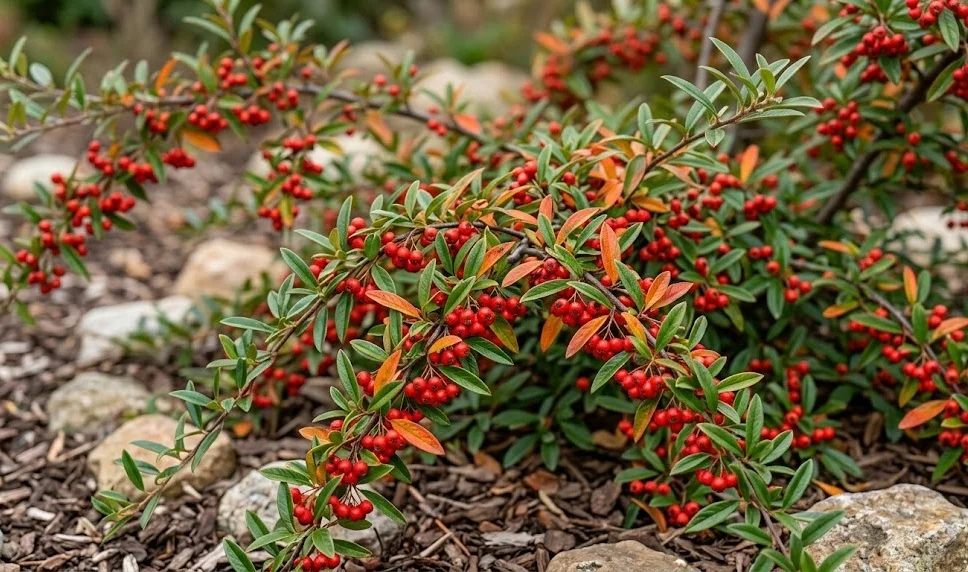

Preparing the willow-leaved cotoneaster for the challenges of winter is a critical aspect of professional maintenance, especially in regions with fluctuating temperatures. This evergreen to semi-evergreen shrub is quite hardy, but it can still suffer from winter desiccation or physical damage from heavy snow loads. A successful overwintering strategy focuses on protecting the root system and ensuring the plant remains hydrated during the dormant months. By taking the right steps in the late autumn, you can ensure that your cotoneaster emerges in the spring with minimal damage and maximum vigor.
The most significant threat to the willow-leaved cotoneaster during the winter is not necessarily the cold itself, but rather the loss of moisture through its leaves. Since the plant often retains its foliage, it continues to lose water even when the ground is frozen and the roots cannot replenish it. This condition, known as winter burn, can cause the leaf edges to turn brown or the entire branch to die back. You can mitigate this risk by ensuring the plant is thoroughly watered before the first hard freeze of the season.
A thick layer of organic mulch around the base of the plant is one of the most effective tools for winter protection. This layer acts as an insulator, preventing the soil from freezing as deeply and reducing the severity of frost heaving. Frost heaving occurs when the soil repeatedly freezes and thaws, which can physically push young plants out of the ground and expose their roots. You should apply about three to four inches of mulch, making sure it does not directly touch the main trunk to prevent bark rot.
Physical protection may be necessary for plants located in wind-swept areas or where heavy snow is common. The long, weeping branches of the willow-leaved cotoneaster can be weighed down by heavy, wet snow, potentially causing them to snap. You can gently brush off excessive snow accumulation with a soft broom to relieve the pressure on the structural limbs. For young or particularly exposed specimens, a temporary burlap screen can provide a windbreak that reduces the rate of moisture loss from the foliage.
Assessing winter hardiness and zones
Understanding the hardiness zone of your specific location is the first step in determining how much winter protection your cotoneaster will need. The willow-leaved cotoneaster is generally reliable in zones six through eight, but it can struggle at the northern end of its range. If you are gardening in a colder zone, you should be even more diligent about providing root protection and windbreaks. Knowing the limits of the plant allows you to make informed decisions about its placement in the landscape.
More articles on this topic
Microclimates within your own garden can also influence how the plant handles the winter months. A plant located on the south side of a building may experience more frequent freeze-thaw cycles than one on the north side. These temperature swings are often more damaging than consistent cold, as they can trick the plant into breaking dormancy prematurely. Choosing a site with consistent winter temperatures will lead to better long-term survival and less winter-related stress for the shrub.
Preventing winter desiccation
Winter desiccation is a silent threat that often goes unnoticed until the spring when the plant fails to thrive. You should continue to monitor the soil moisture levels throughout the winter, especially during periods of thaw when the ground is not frozen. If the winter is particularly dry and the ground is open, providing a supplemental watering can be a lifesaver for the plant. This is especially important for evergreen species that never truly stop transpiring moisture through their leaves.
Anti-desiccant sprays are a professional option for protecting the foliage of willow-leaved cotoneaster from drying winds. These products create a thin, waxy coating on the leaves that reduces water loss without interfering with the plant’s ability to breathe. You should apply these sprays on a clear, calm day when the temperature is above freezing to allow the coating to dry properly. A single application in late autumn and another during a mid-winter thaw can provide significant protection for vulnerable specimens.
Managing snow and ice accumulation
Snow can be both a blessing and a curse for the overwintering cotoneaster, as it provides an excellent insulating layer but also poses a physical risk. A light covering of snow helps protect the lower branches and the root zone from extreme temperature fluctuations. However, ice storms are particularly dangerous because the weight of the ice is much greater and harder to remove without damaging the plant. You should never try to crack or beat ice off the branches, as the frozen wood is extremely brittle and will shatter easily.
More articles on this topic
If a branch does break under the weight of snow or ice, you should wait until a warmer day to perform a clean pruning cut. Ragged breaks can become entry points for diseases once the spring arrives, so it is important to smooth them out eventually. In areas where snow removal is common, be careful not to pile salty snow from roads or sidewalks onto the root zone of the cotoneaster. Salt can be highly toxic to the plant and can degrade the soil structure over time, leading to long-term health issues.