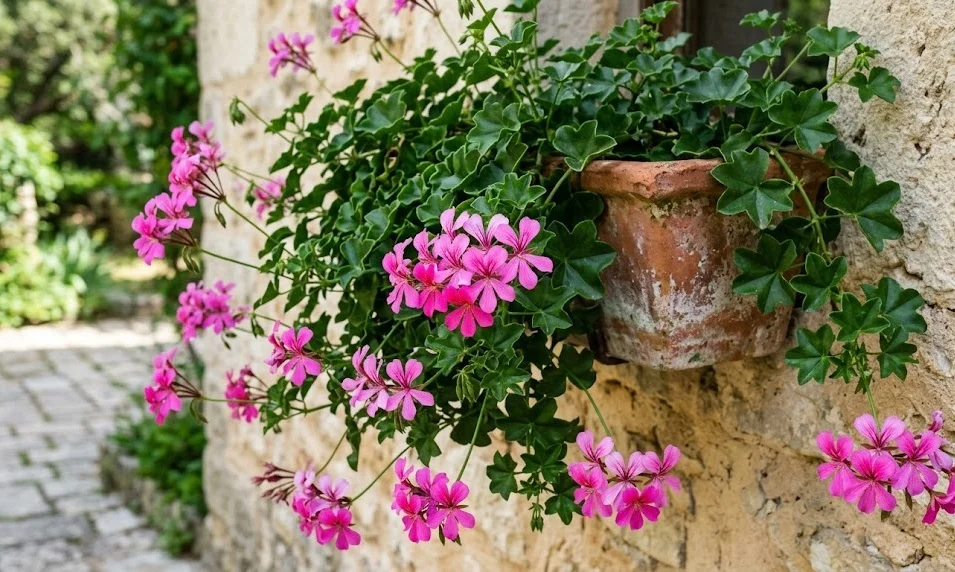

Protecting trailing geraniums from diseases and pests is a continuous battle that requires vigilance and a proactive management strategy. Because these plants are often grown in dense clusters in window boxes or hanging baskets, problems can spread rapidly if they are not caught early. You must become familiar with the common symptoms of fungal infections and the physical signs of insect infestations to maintain a healthy garden. A combination of good cultural practices and targeted treatments will keep your floral display looking its best all season long.
Prevention is always the most effective tool in your arsenal when it comes to plant health in the garden. Starting with high-quality, disease-free plants and using sterile potting soil significantly reduces the initial risk of infection. You should also ensure that your gardening tools are cleaned regularly to prevent the transfer of pathogens between different containers. Maintaining proper spacing between plants is the best way to improve air circulation and discourage the growth of mold.
Early detection of a problem can mean the difference between losing a single leaf and losing the entire plant. You should make a habit of checking both the upper and lower surfaces of the leaves at least once a week. Look for any unusual spots, webbing, or small insects that might be hiding in the crevices of the stems. If you notice anything suspicious, isolate the affected plant immediately to prevent the issue from spreading to its neighbors.
Integrated Pest Management (IPM) is a professional approach that uses a variety of methods to control problems with minimal environmental impact. You should start with the least toxic options, such as physical removal of pests or using a strong stream of water to wash them away. If these methods fail, you can move on to organic treatments like neem oil or insecticidal soap before considering chemical pesticides. This balanced approach protects both your plants and the beneficial insects in your garden.
Identifying common fungal infections
Gray mold, also known as Botrytis, is one of the most common fungal diseases that affects trailing geraniums in humid conditions. It typically starts on faded flowers or damaged leaves and quickly spreads to healthy tissue, appearing as a fuzzy gray coating. You can prevent this by diligently removing spent blooms and ensuring that the foliage stays dry during watering. If the infection is severe, you may need to apply a fungicide to save the rest of the plant.
More articles on this topic
Rust is another frequent fungal problem that is easy to identify by the characteristic orange or brown pustules on the underside of the leaves. These spots contain spores that are easily spread by wind and water, making it a highly contagious condition in the garden. You should immediately remove and destroy any infected leaves to stop the reproductive cycle of the fungus. Improving air circulation and avoiding overhead watering are the best long-term solutions for preventing rust outbreaks.
Root rot and stem rot are often the result of overwatering combined with poor drainage in the container. These soil-borne pathogens attack the plant’s circulatory system, causing it to wilt even when the soil is wet. You will notice the base of the stem turning black and becoming soft to the touch as the decay progresses. Unfortunately, once rot has taken hold of the main stem, the plant is usually impossible to save and should be discarded.
Leaf spot diseases can be caused by either bacteria or fungi and appear as small, dark lesions with yellow halos. These spots can eventually merge, causing the entire leaf to turn brown and fall off prematurely. You should avoid working with your plants when the foliage is wet, as this is when the pathogens are most easily spread. Keeping the area around your containers free of fallen debris will also help reduce the local population of disease-causing spores.
Managing common insect pests
Aphids are small, soft-bodied insects that cluster on the tender new growth and the undersides of leaves to suck the plant’s sap. They can cause the foliage to become distorted and sticky due to the honeydew they secrete as they feed. You can often control a small infestation by simply squashing them or washing them off with a garden hose. For more persistent problems, a spray made of diluted dish soap or neem oil is usually very effective.
More articles on this topic
Spider mites are nearly invisible to the naked eye but can cause significant damage during hot, dry weather. They feed on the chlorophyll in the leaves, leaving behind a fine stippling of white or yellow dots. You might also notice tiny webs stretched between the stems or on the undersides of the foliage. Increasing the humidity around the plants and using a specialized miticide are the best ways to deal with a serious spider mite outbreak.
Whiteflies are tiny, moth-like insects that flutter around the plant when the foliage is disturbed or shaken. Like aphids, they suck the sap from the leaves and can transmit viral diseases that are difficult to treat. You can use yellow sticky traps to monitor their presence and capture the adult flies before they can lay more eggs. If the population becomes too high, you should use an organic insecticide that is labeled for use on flowering plants.
Caterpillars and slugs are physical feeders that can chew large holes in the leaves and flowers overnight. You can usually find these pests by looking for their droppings or the slimy trails they leave behind on the containers. Hand-picking them in the evening or early morning is the most direct and effective way to protect your plants. You can also use organic barriers or baits if you have a persistent problem with these larger garden intruders.
Environmental and physiological disorders
Not every problem with your trailing geranium is caused by a living organism like a fungus or an insect. Physiological disorders are caused by environmental stressors that disrupt the plant’s normal biological functions and growth patterns. Edema, which causes corky bumps on the leaves, is a classic example of a problem caused by inconsistent watering and high humidity. You can usually fix these issues by simply adjusting your care routine and improving the growing conditions.
Sunscald occurs when the plants are suddenly moved from a shaded area to full sun without a proper transition period. The leaves will develop large, bleached-out patches that eventually turn brown and crispy as the tissue dies. While the damaged leaves will not recover, the plant will eventually grow new foliage that is adapted to the higher light levels. You can prevent this by gradually increasing the plant’s exposure to direct sunlight over a period of several days.
Nutrient toxicities can occur if you use too much fertilizer, leading to scorched leaf margins and stunted growth. The excess salts in the soil can prevent the roots from taking up water, causing the plant to show signs of drought even when the soil is wet. Flushing the container with large amounts of fresh water is the best way to wash away the excess minerals. Always follow the manufacturer’s instructions for dosage to avoid accidentally poisoning your favorite garden specimens.
Temperature stress can cause the flowers to fade quickly or the plant to stop blooming entirely during a heatwave. Some varieties may even change color slightly if the night temperatures are significantly different from the daytime highs. You should provide temporary shade during the hottest part of the day to help the plants cope with extreme weather. Maintaining a consistent environment is the key to preventing these types of physiological setbacks throughout the season.
Developing a protection strategy
A successful protection strategy starts with a commitment to regular observation and a deep understanding of your plants’ needs. You should keep a small garden kit nearby with basic tools like a magnifying glass, pruning shears, and a bottle of organic spray. Being prepared allows you to react instantly when you notice the first signs of a pest or disease. This quick response is the most effective way to prevent a minor issue from becoming a garden-wide catastrophe.
Supporting the natural immune system of your geraniums is the best long-term defense against any type of external threat. Healthy plants that receive the right amount of light, water, and nutrients are naturally more resistant to pests and diseases. You should avoid over-fertilizing with nitrogen, as this produces soft growth that is particularly attractive to sap-sucking insects. A balanced approach to gardening creates a resilient environment where your plants can truly flourish.
Learning from each season’s challenges will make you a much more effective gardener in the years to come. You should take notes on which varieties were the most resistant to local pests and which ones struggled with the weather. This information is invaluable when you are choosing new plants for the following spring. Experience is the best teacher, and your observations are the most reliable data you have for your specific location.
Finally, you should never hesitate to seek advice from local experts or professional nurseries if you encounter a problem you cannot identify. Bringing a sample of the affected foliage in a sealed plastic bag can help an expert give you an accurate diagnosis. There is no shame in asking for help, as even the most experienced gardeners face new challenges every year. Protecting your garden is a collaborative effort that connects you with the wider community of plant lovers.