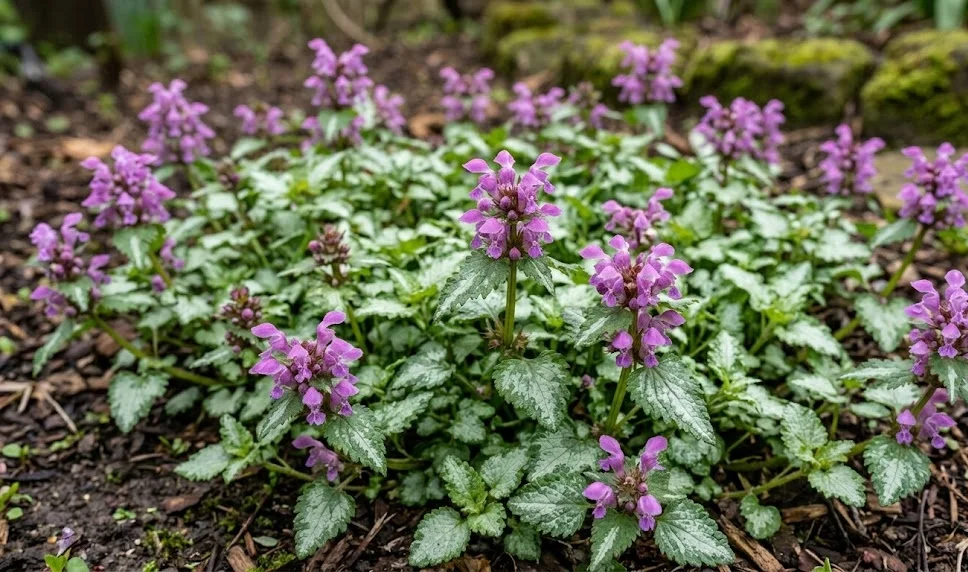

The strategic pruning and cutting back of spotted dead-nettle is a vital horticultural practice that ensures the plant remains vigorous, tidy, and aesthetically pleasing. While often viewed as a low-maintenance groundcover, this species benefits immensely from regular intervention to manage its growth habit and refresh its foliage. A professional approach to pruning involves understanding the plant’s growth cycle and using the right techniques to encourage a dense, healthy mat. By following these guidelines, one can prevent the plant from becoming leggy or unkempt over time.
Rationale and timing for pruning
The primary reason for pruning spotted dead-nettle is to stimulate fresh, vibrant growth and maintain a compact form. Over time, the stems can become elongated and woody, especially in shaded conditions, which leads to a sparse and unattractive appearance. Cutting the plant back encourages dormant buds at the base to sprout, resulting in a much thicker and more colorful carpet of leaves. This practice also helps in managing the spread of the plant, ensuring it stays within its intended boundaries.
Early spring is the most common time for a major cleanup, just as the first signs of new growth appear. Removing the winter-damaged foliage and old stems allows the new, colorful leaves to take center stage without being obscured. This spring pruning also provides an opportunity to inspect the health of the plant and address any issues that may have developed over the winter. A well-timed shear in the spring sets the foundation for a successful growing season.
A second round of pruning is often beneficial after the first main blooming period has concluded. Many gardeners find that the plant looks a bit tired or “stretched” after it has spent its energy on flowering. By cutting the stems back by about one-third or even a half, you trigger a second flush of beautiful foliage that will last through the summer. This “mid-season refresh” is a professional secret for keeping groundcovers looking their best all year long.
In late autumn, a light trimming can help prepare the plant for winter by removing any excessively long or trailing stems. This reduces the risk of the stems being damaged by snow or becoming a harbor for pests during the dormant months. However, it is important not to prune too heavily late in the season, as the plant needs some foliage for winter protection. A balanced approach to autumn pruning ensures the plant transitions smoothly into its winter rest.
More articles on this topic
Professional techniques and tools
Using the right tools is essential for making clean cuts that heal quickly and do not invite disease. High-quality garden shears or even a sharp pair of scissors are usually sufficient for this relatively soft-stemmed species. It is vital to ensure that the tools are sterilized with alcohol before and after use to prevent the spread of pathogens. Clean, sharp tools make the job easier and are much better for the long-term health of the plants.
For larger areas of groundcover, a more systematic approach can be taken using a pair of hedging shears. This allows for a uniform height to be maintained across the entire bed, resulting in a very neat and professional appearance. Care should be taken to avoid cutting into the main crown of the plant, as this can cause permanent damage or slow down the recovery process. A gentle, sweeping motion with the shears is often the most effective technique.
Deadheading, or the removal of spent flower spikes, is another important aspect of pruning for this species. While the flowers are charming, they can look messy once they fade and begin to produce seeds. Removing them promptly keeps the plant’s energy focused on leaf production rather than seed development. This practice also prevents unwanted self-seeding, which can sometimes lead to a patchy or inconsistent look in a formal garden design.
Thinning out the center of an older colony is a specialized technique used to improve air circulation and light penetration. By removing some of the older, thicker stems from the middle of the mat, you create space for younger, more vigorous growth to emerge. This rejuvenation process prevents the center of the plant from dying out, which is a common problem with many creeping perennials. A proactive approach to thinning ensures the entire colony remains healthy and vibrant.
More articles on this topic
Post-pruning care and recovery
After a significant pruning session, the plant will benefit from a bit of extra attention to support its recovery. A thorough watering is essential, as the process of regrowing new foliage requires a steady supply of moisture. If the pruning was done during a warm or dry period, monitoring the soil moisture becomes even more critical. This initial support helps the plant bounce back quickly and reduces the stress associated with cutting back.
A light application of a balanced, liquid fertilizer can also provide the nutrients needed for the upcoming burst of new growth. This “growth boost” ensures that the new leaves are healthy, colorful, and robust. It is important not to over-fertilize at this stage, as soft, succulent growth can be more attractive to pests like aphids. A gentle, measured approach to nutrition is always best for a recovering plant.
Monitoring the pruned area for any signs of disease or pest activity is also a key part of post-pruning care. Freshly cut stems can sometimes be more vulnerable to certain pathogens if the conditions are damp and the air circulation is poor. Keeping the area clean and free of the removed debris is a simple but effective preventative measure. Most healthy colonies of spotted dead-nettle will show signs of recovery within a week or two.
Finally, observing the results of your pruning will help you refine your technique for future seasons. Every garden has its own unique microclimate, and the plants may respond differently depending on the specific conditions. Recording your actions and the plant’s response in a garden journal is an excellent way to build your expertise over time. Pruning is as much an art as it is a science, and it becomes more intuitive with each passing year.