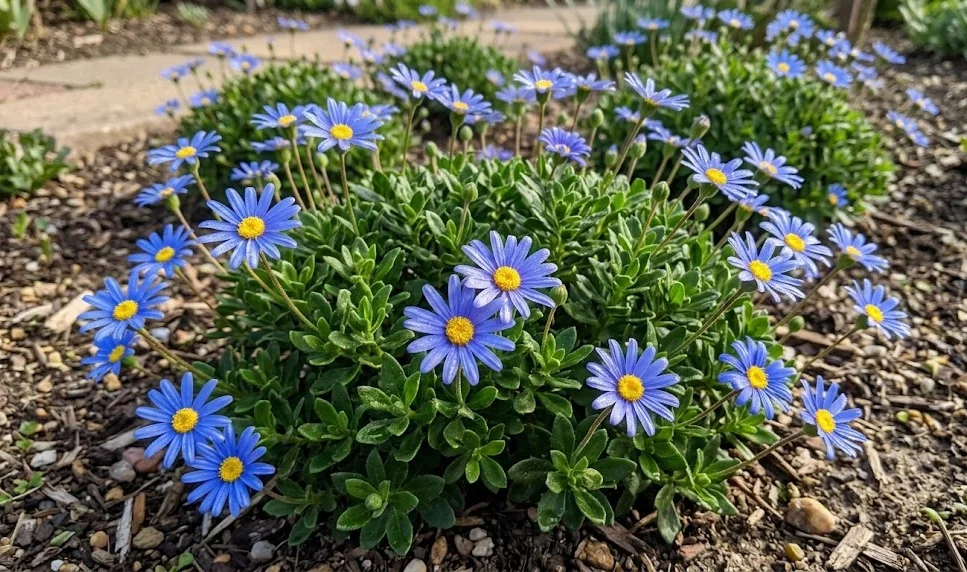

Maintaining the health of the blue daisy requires a vigilant eye and a basic understanding of the common threats it faces. Like any ornamental plant, it can occasionally fall victim to various pests and diseases that can mar its beauty or threaten its survival. Most of these issues are preventable through proper care, but knowing how to identify them early is crucial for effective treatment. A healthy plant is its own best defense, so providing the right environment is always the first step in pest management.
Fungal infections are perhaps the most common category of disease encountered by gardeners growing this species. These typically thrive in conditions where there is too much moisture on the leaves or the soil remains waterlogged for too long. You may notice spots on the leaves or a powdery coating that gradually spreads across the entire plant. Addressing the underlying environmental causes is usually enough to stop the spread of most fungal problems.
Insect pests are another potential challenge, with some species being particularly fond of the tender new growth of the blue daisy. Aphids, spider mites, and whiteflies are the usual suspects that can cause the leaves to curl or become discolored. These pests not only weaken the plant by sucking its sap but can also transmit viral diseases between different plants in your garden. Regularly inspecting the undersides of the leaves will help you catch these tiny invaders before they become a major infestation.
While dealing with pests and diseases can be frustrating, it is all part of the natural cycle of a living garden. Most problems can be solved with simple, low-impact methods that don’t require harsh chemicals or specialized equipment. By staying observant and acting quickly, you can keep your blue daisies looking their best and blooming profusely. Professional-level plant care is as much about prevention and observation as it is about intervention.
Common fungal infections and their symptoms
Powdery mildew is a frequent visitor in gardens with poor air circulation or high evening humidity. It appears as a white, flour-like dusting on the surface of the leaves and stems, eventually causing them to turn yellow and drop off. This fungus thrives when the days are warm and the nights are cool and damp, a common pattern in many regions. To manage this, you should try to keep the foliage as dry as possible and ensure there is plenty of space between your plants.
More articles on this topic
Leaf spot is another fungal disease that can affect the aesthetic quality of your blue daisies. It manifests as small, dark brown or black spots that may have a yellow halo around them as they grow. These spots can eventually merge, causing large sections of the leaf to die and fall away from the stem. Removing any affected leaves and cleaning up fallen debris from the soil surface is the best way to stop the spores from spreading further.
Grey mold, also known as botrytis, can be particularly destructive during periods of prolonged rainy weather. It often starts on spent flowers or damaged tissues and quickly moves to healthy parts of the plant, turning them into a fuzzy, grey mass. This is why deadheading and removing dead plant material is so important for the overall hygiene of your garden. If you see signs of grey mold, you should immediately prune out the infected areas and dispose of them far away from your compost pile.
Prevention is always more effective than trying to cure a widespread fungal infection once it has taken hold. Using a preventative spray of neem oil or a mild baking soda solution can help create an environment that is less hospitable to fungal spores. However, the most important preventative measure is simply following the correct watering and spacing guidelines. A plant that is not stressed is much more capable of resisting the entry of fungal pathogens.
Dealing with the dangers of root rot
Root rot is perhaps the most serious threat to the blue daisy because it happens out of sight beneath the soil surface. It is almost always caused by overwatering or planting in soil that does not drain properly, allowing soil-borne pathogens to attack the roots. The first visible symptoms are usually a general wilting of the plant that does not improve even after watering. By the time you see the foliage turning yellow and stems collapsing, the damage to the root system is often extensive.
More articles on this topic
If you suspect your plant is suffering from root rot, the first thing you should do is stop watering immediately and let the soil dry out. In severe cases, you may need to lift the plant from the ground or its container to inspect the roots directly. Healthy roots should be firm and white, while those affected by rot will be brown, mushy, and may have a foul smell. You can try to save the plant by trimming away the dead roots and replanting it in fresh, sterilized soil.
Prevention of root rot starts with selecting the right planting location and using the correct potting mix. As a Mediterranean-style plant, the blue daisy is naturally adapted to periods of drought but very poorly adapted to standing water. Adding a layer of coarse sand or perlite to your soil can significantly improve the drainage and oxygen levels around the roots. Always make sure that your containers have adequate drainage holes that are not blocked by debris.
Consistency in your watering routine is also a major factor in preventing the conditions that lead to root rot. Fluctuating between bone-dry and soaking-wet soil can stress the plant and make the roots more vulnerable to infection. Using a moisture meter or simply checking the soil with your finger can help you avoid the mistake of watering too frequently. A professional approach to irrigation is your best insurance against this deadly garden disease.
Identifying and managing insect pests
Aphids are small, soft-bodied insects that can often be found clustered on the tips of new growth or under the leaves. They come in many colors, but on blue daisies, they are usually green or black and can multiply with incredible speed. These pests suck the nutrient-rich sap from the plant, causing the leaves to become distorted and sticky from the “honeydew” they excrete. A strong blast of water from a garden hose is often enough to dislodge most of them and keep the population under control.
Spider mites are another common pest, especially during hot, dry weather when the plant might be slightly underwatered. They are so small that they are difficult to see with the naked eye, but you will notice fine webbing between the leaves and a speckled, yellow appearance on the foliage. These mites thrive in dusty conditions, so keeping the area around your plants clean and occasionally misting the foliage can help deter them. If the infestation is severe, a spray of insecticidal soap can be very effective.
Whiteflies are tiny, moth-like insects that flutter away when the plant is disturbed or the leaves are shaken. Like aphids, they feed on the sap and can cause the plant to lose its vigor and stop blooming. They are often found on the undersides of the leaves where they lay their eggs, making them difficult to reach with topical treatments. Using yellow sticky traps can help monitor their presence and capture many of the adult insects before they can reproduce.
For all of these pests, a “soft” approach to management is usually the best first step for any gardener. Encouraging natural predators like ladybugs, lacewings, and hoverflies into your garden can provide a permanent and eco-friendly solution to pest problems. Avoid using broad-spectrum insecticides that kill these beneficial insects, as this often leads to an even bigger pest outbreak later on. A balanced ecosystem is the hallmark of a professionally managed and healthy garden.
Natural and organic pest control methods
Horticultural oils and insecticidal soaps are excellent tools for managing pests without relying on harsh synthetic chemicals. These products work by physically smothering the insects or disrupting their cell membranes, rather than using poison. They are most effective against soft-bodied pests like aphids and mites and have a very low impact on the environment. You should apply them in the early morning or late evening to avoid burning the leaves in the hot sun.
Neem oil is a versatile organic treatment that acts as both a fungicide and an insecticide, making it a favorite among professional gardeners. It has a systemic effect, meaning the plant absorbs some of it, providing protection from the inside out. Neem also interferes with the life cycle of many pests, preventing them from feeding or laying eggs. Regular applications every two weeks can provide a solid layer of protection for your blue daisies throughout the growing season.
Homemade remedies can also be surprisingly effective for small-scale pest issues in the home garden. A simple mixture of water and a few drops of mild dish soap can be used to spot-treat aphids or whiteflies as soon as they appear. Some gardeners also use a spray made from garlic or chili peppers to repel insects that might want to feed on the foliage. These solutions are safe for pets and children and allow you to maintain an organic gardening practice.
In addition to sprays, mechanical controls like hand-picking larger pests or using row covers can be very effective. While the blue daisy doesn’t usually attract many large pests like caterpillars, it’s always good to keep an eye out. Removing heavily infested branches or leaves is also a valid strategy to prevent the problem from spreading to the rest of the plant. Using a variety of different methods will always give you the best results in the long run.
Preventative health measures and garden hygiene
The best way to deal with diseases and pests is to make sure they never get a foothold in your garden in the first place. This starts with choosing healthy, vigorous plants from the nursery and inspecting them carefully before bringing them home. Once they are in your garden, providing them with the optimal amount of light, water, and nutrients will keep their immune systems strong. A healthy plant is much less attractive to pests and more capable of recovering from a minor infection.
Good garden hygiene is another essential part of a professional preventative strategy. This means regularly cleaning your pruning tools with alcohol or a mild bleach solution to prevent the transfer of pathogens between plants. You should also clear away any dead leaves, fallen flowers, or other debris from the soil surface around your blue daisies. This simple task removes the hiding places for pests and the breeding grounds for fungal spores.
Crop rotation and diversity in your planting scheme can also help reduce the buildup of specific pests and diseases. If you grow the same type of plant in the same spot year after year, the local population of its enemies will naturally increase. Mixing your blue daisies with other species of plants makes it harder for pests to find them and encourages a more diverse range of beneficial insects. A diverse garden is a resilient garden that requires much less intervention from the owner.
Finally, keep a close eye on the weather and be prepared to take action when conditions are favorable for disease. If a long period of rain is forecast, you might want to apply a preventative organic fungicide or improve the drainage around your plants. Staying one step ahead of potential problems is the secret to maintaining a professional-looking garden all year round. Your blue daisies will thank you with a spectacular and healthy display of their unique azure blossoms.