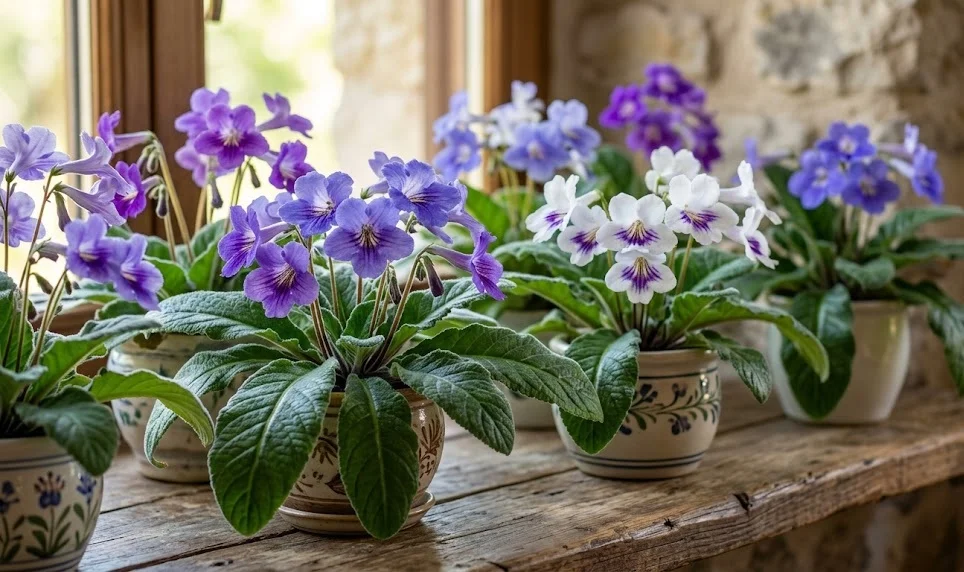

Pruning is an essential part of maintaining a healthy and aesthetically pleasing Cape primrose. While it might seem counterintuitive to cut your plant, it actually encourages new growth and more prolific flowering. You should always use sharp, sterilized scissors or a dedicated pruning tool to ensure clean cuts. Tearing or crushing the stems can lead to infections and slow down the plant’s recovery time.
The most common form of pruning is deadheading, which involves removing flowers once they have started to fade. Instead of letting the plant put energy into producing seeds, you are directing that energy back into the development of new buds. Snip the flower stalk as close to the base as possible without damaging the surrounding leaves. Regular deadheading can extend the blooming period by several months, keeping your plant looking vibrant.
As the leaves age, they will naturally begin to lose their vigor and may turn yellow or brown at the edges. Removing these old, exhausted leaves makes room for fresh, green growth to emerge from the center of the plant. You should cut the old leaves off at the base of the crown, being careful not to nick the tender new shoots. This also improves the air circulation around the base of the plant, which helps prevent rot and fungal issues.
Sometimes, a plant can become too large for its space or start to look a bit “wild” and unkempt. In this case, you can perform a light shaping prune to restore its compact, rounded habit. Focus on removing the largest, most outward-reaching leaves to bring the plant back into balance. This type of pruning is best done in the spring when the plant has plenty of energy to grow replacement foliage.
Rejuvenating an overgrown specimen
If you have a plant that has become very woody or has multiple tangled crowns, it might be time for a rejuvenation prune. This involves a more drastic cutting back to encourage the plant to start fresh from the base. Start by removing all the old, damaged, or oversized leaves until only the central, healthy growth remains. While the plant may look a bit sparse for a few weeks, it will quickly bounce back with renewed vigor.
More articles on this topic
You can also use this opportunity to divide the plant if it has become too crowded in its pot. Separating the individual crowns allows each one to have its own space and resources, leading to healthier growth. After dividing and pruning, the new plants will often grow more quickly and produce larger flowers than the original, overgrown specimen. It is a great way to “reset” your plant and ensure its long-term health.
When pruning for rejuvenation, pay close attention to the health of the central crown. Avoid cutting into the crown itself, as this is the primary growth point for the entire plant. Your goal is to clear away the clutter around the crown so that it can breathe and receive more light. Once the pruning is complete, provide the plant with consistent humidity and bright, indirect light to support its recovery.
Don’t be afraid to be a bit bold with your pruning; these plants are surprisingly resilient and respond well to being tidied up. Within a month, you should see a flush of new, healthy leaves emerging from the center of the plant. This fresh growth will be much more efficient at photosynthesis and will eventually produce a spectacular display of flowers. Professional maintenance is all about these periodic interventions that keep the plant in its peak condition.
Seasonal pruning considerations
The timing of your pruning can have a significant impact on how the plant responds. The best time for major pruning or rejuvenation is in the early spring, just as the plant is entering its most active growth phase. During this time, the increasing light levels and warmer temperatures provide the plant with the energy it needs to heal quickly. You will see the results of your work much faster than if you pruned in the middle of winter.
More articles on this topic
In the summer, your pruning should be limited to deadheading and removing any leaves that show signs of heat stress. Avoid heavy pruning during heatwaves, as the plant is already under stress and may not recover as easily. Instead, focus on keeping the plant clean and well-hydrated until the temperatures become more moderate. This “light touch” approach helps the plant maintain its energy for its summer blooming show.
As autumn approaches, you can do a final cleanup to prepare the plant for its winter rest. Remove any remaining flower stalks and any leaves that look like they won’t make it through the winter. This reduces the amount of biomass the plant has to support during the low-light months and prevents decaying material from attracting pests. A clean plant is much easier to manage during the dormant period when you are checking it less frequently.
During the winter, pruning should be kept to an absolute minimum to avoid stressing the dormant plant. Only remove leaves that are completely dead or showing signs of disease to prevent any problems from spreading. The plant’s ability to heal is much lower in the winter, so any cuts you make will stay open for longer. By following these seasonal guidelines, you ensure that your pruning always works in harmony with the plant’s natural life cycle.