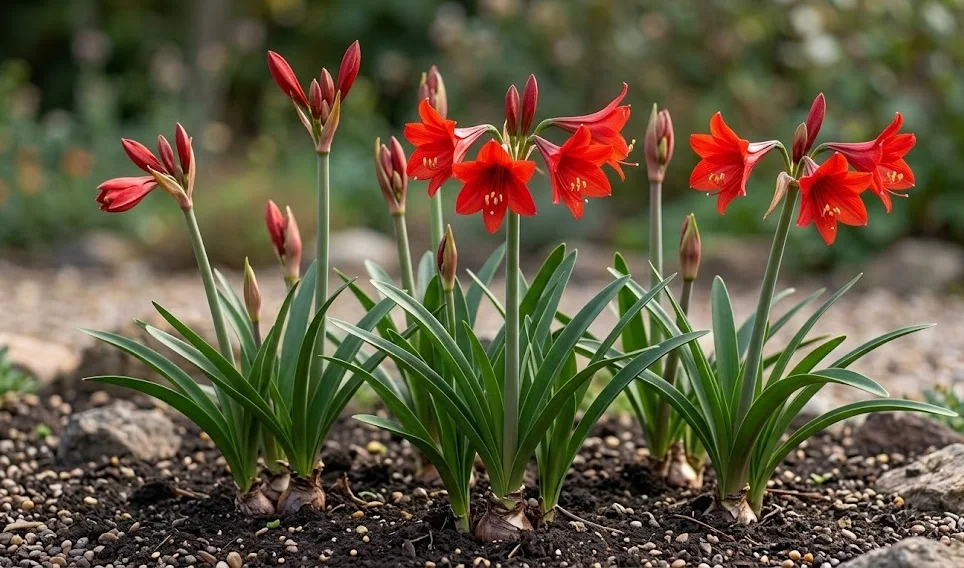

Light is the primary energy source that drives the growth and flowering of the scarborough lily throughout its life cycle. Providing the correct intensity and duration of light is perhaps the most important factor in achieving a professional-looking specimen. You must understand that while these plants love brightness, they are sensitive to the harsh, direct sun of mid-day which can scorch their foliage. Finding the perfect balance between light and shade is a skill that requires careful observation and environmental management.
In their native South African habitat, these lilies often grow in positions that receive bright, filtered light for most of the day. This environment protects them from the most intense heat while providing ample energy for their metabolic processes. You should try to replicate these conditions in your home or garden by choosing a location with bright, indirect sunlight. A spot near a south-facing window with a sheer curtain can often provide the ideal light quality for indoor plants.
The duration of light, or photoperiod, also plays a role in the plant’s development and the timing of its blooms. These lilies generally respond well to the naturally increasing day length of spring and summer, which triggers their flowering response. You should ensure that your plants receive at least six to eight hours of good light each day during the active growing season. Without enough light, the plant will become leggy and may fail to produce its characteristic vibrant red flowers.
As the seasons change, you will need to adjust the plant’s position to maintain its access to high-quality light. The angle and intensity of the sun change throughout the year, meaning a perfect spot in the summer might be too dark in the winter. Professional growers often move their plants several times a year to follow the best light conditions available. Your commitment to monitoring and adjusting the light environment is the key to a healthy and productive scarborough lily.
Direct vs. indirect light
Direct sunlight refers to the sun’s rays hitting the plant’s leaves directly without any filtering or obstruction. While the scarborough lily enjoys morning or late afternoon sun, the intense midday sun can be far too strong, especially during the summer. Direct exposure at the peak of the day can lead to permanent leaf damage and can quickly dry out the potting medium. You should aim to provide a location where the plant is shielded from the most intense rays while still being in a very bright area.
More articles on this topic
Indirect light is light that has been reflected or filtered before it reaches the plant, such as light through a thin curtain or under a shade cloth. This type of light is much gentler and allows the plant to stay cool while still receiving the energy it needs for photosynthesis. Most expert gardeners prefer this type of lighting for their lilies as it reduces the risk of stress and physical damage. It creates a stable environment where the plant can thrive without the constant threat of being scorched.
If you are growing your lilies outdoors, you can use taller plants or garden structures to create a dappled light effect. This mimics the natural forest edge or rocky outcrop environments where many bulbous species are found in the wild. You should observe the movement of shadows in your garden throughout the day to find the most suitable spot. A location that receives a few hours of gentle morning sun followed by bright shade for the rest of the day is often perfect.
Indoors, the distance from a window can significantly affect the intensity of the light the plant receives. Even a few feet away from a glass pane can reduce the light levels by more than half, which can be critical for a light-loving plant. You should monitor the color and posture of the leaves to determine if the plant is getting enough light in its current position. A healthy plant will have firm, dark green leaves that stand upright and show no signs of stretching or bleaching.
Seasonal light adjustments
During the summer months, the main challenge is protecting the lily from excessive heat and light intensity. You may need to move the plant further away from south-facing windows or provide more shading in a greenhouse setting. The high energy levels of summer light support rapid growth, but they also require you to be more diligent with watering and humidity. Balancing these increased needs is a key part of professional summer care for any light-sensitive bulbous species.
More articles on this topic
In the autumn, as the sun’s intensity decreases, you should move the plant back into a brighter position to maximize the remaining light. This helps the plant continue to process nutrients and store energy in the bulb before the winter rest begins. The changing light levels are a natural signal to the plant that it is time to slow down and prepare for dormancy. By following these natural cues, you help the plant maintain its internal rhythm and overall long-term health.
Winter presents the opposite challenge, as light levels can be very low, especially in northern latitudes or during cloudy periods. You should place your lilies in the brightest spot possible during the winter to keep the evergreen foliage healthy and active. Cleaning the windows and removing any dust from the leaves can help the plant make the most of every available photon. If the natural light is insufficient, the use of professional-grade grow lights is highly recommended to prevent the plant from weakening.
Spring is a time of transition where you must slowly reintroduce the plant to higher light levels as it wakes up. If you move a plant directly from a dark winter corner to a bright summer patio, it will almost certainly suffer from light shock. Gradually increasing the light exposure over a period of two weeks will allow the foliage to toughen up and adjust to the new conditions. This careful transition is essential for maintaining the aesthetic beauty and structural integrity of the lily’s leaves.
Symptoms of light stress
Identifying the symptoms of light stress is a vital skill that allows you to make timely adjustments to your plant’s environment. If a lily is receiving too much light, the leaves may start to look pale, yellowish, or even take on a bleached appearance. In severe cases, you will see dry, brown patches on the foliage where the sun has literally burnt the plant’s cells. These damaged areas will not recover, and the plant will have to produce new leaves to replace the energy-processing capacity it has lost.
Insufficient light, on the other hand, causes the plant to become “etiolated,” which means it grows long, weak, and thin as it stretches toward the light source. The leaves may become a lighter green and lose their natural firmness, often drooping or flopping over. A plant in low light will also be much less likely to produce a flower stalk, as it lacks the excess energy required for reproduction. Moving the plant to a brighter location is the only way to correct this issue and restore its natural growth habit.
If the plant is receiving light from only one direction, it will naturally lean toward that side, leading to an unbalanced and unattractive shape. To prevent this, you should rotate the pot a quarter turn every time you water to ensure all sides of the plant receive equal light. This simple professional habit ensures a symmetrical and aesthetically pleasing display for your indoor garden. Uniform light distribution is also important for the healthy development of offsets around the base of the main bulb.
Regularly assessing the health and appearance of your lilies will help you become more attuned to their specific light needs. Every growing environment is unique, and what works in one home might not be suitable for another. Trust your observations and be willing to experiment with different locations until you find the “sweet spot” for your plants. Your reward for this attention to detail will be a vigorous lily with a spectacular and reliable floral display.