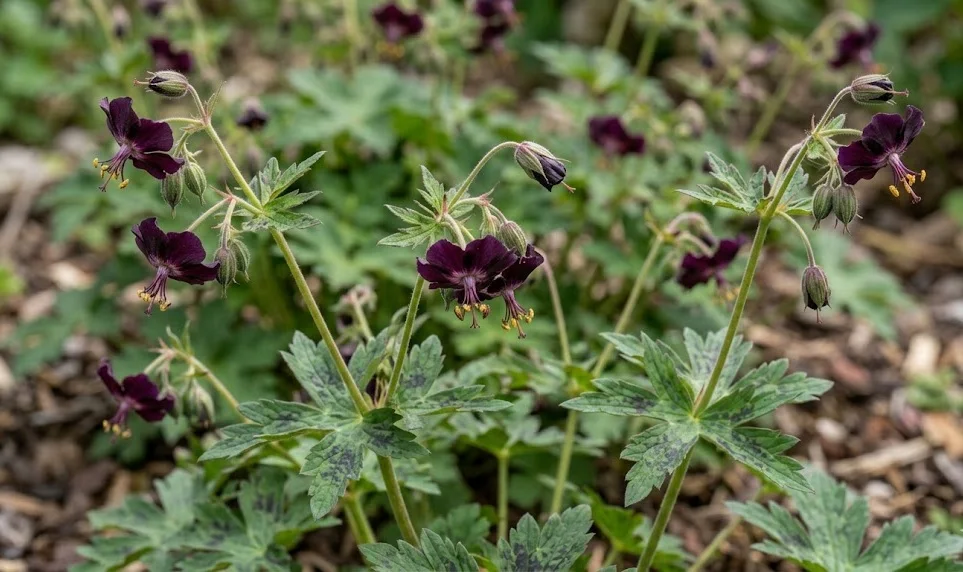

Establishing a successful colony of these resilient perennials begins with a careful approach to the initial planting process and a long-term strategy for expansion. The dusky crane’s-bill is known for its ease of growth, making it an ideal candidate for both novice and experienced gardeners who wish to enhance their shaded borders. Proper site preparation and understanding the timing of propagation are the most critical factors in ensuring that your new additions thrive from the very first day. By following professional standards for soil preparation and plant handling, you can create a lush and healthy display that will endure for many seasons to come.
The best time to plant new specimens is during the cooler months of spring or early autumn when the soil is moist and the temperatures are mild. Planting during these windows allows the root system to become established without the added stress of extreme heat or freezing ground. If you are starting with nursery-bought plants, ensure they are well-watered before you begin the transition into their permanent home in your garden. A well-timed start gives the plant the best possible foundation to survive its first year and produce a beautiful display of flowers.
Before you even dig a hole, take the time to clear the area of any perennial weeds that might compete with your new plants for nutrients and water. Digging a hole that is twice as wide as the root ball but no deeper ensures that the roots have plenty of loose soil to expand into. You can mix some well-rotted organic matter into the bottom of the hole to provide a slow-release source of nutrition for the young plant. Once the plant is in place, firm the soil gently around the base to remove any large air pockets that could cause the roots to dry out.
Watering immediately after planting is essential to settle the soil and provide the roots with the hydration they need to recover from the move. You should continue to monitor the moisture levels closely for the first few weeks, especially if the weather is unusually dry or windy. A layer of organic mulch applied around the base, keeping it away from the actual stems, will help preserve soil moisture and regulate temperature. With this initial care, your plants will soon show signs of new growth, indicating that they have successfully adapted to their new environment.
Techniques for successful division
Division is the most common and effective way to propagate this species, allowing you to create multiple new plants from a single large clump. This process is typically done every three to five years to prevent the center of the plant from becoming woody and less productive. The ideal time for division is in the early spring just as the new shoots are starting to appear above the ground. At this stage, the plant has a high level of energy and can recover quickly from the physical disturbance of being split apart.
More articles on this topic
To begin the division, carefully lift the entire clump out of the ground using a garden fork to minimize damage to the root system. Once the plant is out, you can often pull the individual sections apart by hand, or use a sharp knife for larger, more stubborn rootstocks. Each new section should have a healthy amount of roots and at least two or three vigorous growth buds to ensure a good start. It is important to work quickly and keep the roots covered or moist during the process to prevent them from drying out in the air.
Replant the new divisions as soon as possible, following the same planting guidelines as you would for a brand-new nursery specimen. This is an excellent time to improve the soil in the original planting spot by adding more compost or other organic amendments before putting a section back. The remaining divisions can be moved to other parts of the garden or potted up to give away to friends and neighbors. By regularly dividing your plants, you keep the original stock young and healthy while steadily increasing the number of plants in your collection.
After the division is complete, give the new plants some extra attention in terms of watering until you see clear signs of re-establishment. They may look a bit wilted for a few days, but they are generally very resilient and will bounce back quickly once the roots take hold. Avoid fertilizing immediately after division, as you want the plant to focus its energy on root growth rather than foliage production. Within a single growing season, these new divisions will often grow large enough to blend seamlessly into your existing garden design.
Propagation from seed
While division is faster, growing the dusky crane’s-bill from seed can be a deeply rewarding experience for those who enjoy the entire lifecycle of a plant. The seeds can be collected directly from your own plants once the pods have turned brown and are starting to dry out. It is important to catch them just before they are “shot” away by the plant’s natural dispersal mechanism, which can be a bit of a challenge. Some gardeners place small mesh bags over the developing seed heads to ensure they don’t lose the precious seeds to the garden floor.
More articles on this topic
You can sow the seeds directly into the ground in autumn, allowing the natural winter cold to break their dormancy in a process known as stratification. Alternatively, you can sow them in trays or pots filled with a high-quality seed-starting mix and keep them in a cold frame or unheated greenhouse. If you choose to start them indoors, you may need to mimic the winter period by placing the seeds in a refrigerator for a few weeks before sowing. Patience is required, as germination can sometimes be irregular and may take several months depending on the conditions.
Once the seedlings have developed their first set of true leaves, they can be carefully transplanted into individual pots to continue their growth. It is crucial to handle the tiny plants by their leaves rather than their delicate stems to avoid causing permanent damage. Keep the young plants in a sheltered spot with plenty of light but away from direct, scorching sun which can easily overwhelm them. Regular watering and a very weak liquid fertilizer will help them develop into sturdy plants that are ready for the garden by the following spring.
The main advantage of starting from seed is the sheer number of plants you can produce for a very low cost, which is ideal for large landscaping projects. You might also find slight variations in the flowers of seed-grown plants, which can add an element of surprise and diversity to your garden. However, be aware that named cultivars may not always come true from seed, often reverting to the characteristics of the original wild species. For many, this unpredictability is part of the charm of gardening and adds to the natural feel of a woodland-style border.
Establishing young plants for long-term health
The first year in the life of a newly propagated plant is the most critical period for determining its future success and longevity. During this time, the primary goal is to encourage deep root penetration rather than rapid top growth or heavy flowering. This might mean pinching off the first few flower buds to redirect the plant’s energy into its underground systems, which pays off in the long run. Keeping the area around the young plants free of competing weeds is also vital during this initial establishment phase.
Mulching is particularly beneficial for young plants as it provides a stable environment for the roots to expand into the surrounding soil. Use a light, organic mulch like leaf mold or well-rotted bark, which will gradually break down and improve the soil structure over time. Be careful not to pile the mulch against the stems, as this can encourage rot or provide a hiding place for pests that might nibble on the tender growth. A well-mulched plant is far more likely to survive unexpected dry spells or early frosts than one left in bare soil.
As the young plants grow, you can gradually reduce the frequency of your watering to encourage the roots to seek out moisture deeper in the earth. This process of “hardening off” makes the plants more self-sufficient and resilient to the natural fluctuations of the local climate. Observe the plants closely during their first summer, and if they show signs of stress, provide a little extra shade or hydration as needed. By the end of the first full growing season, the plants should be well-established and ready to perform as a permanent part of your landscape.
Finally, remember that gardening is a continuous learning process, and every plant you propagate is an opportunity to refine your skills. Keep notes on which methods worked best in your specific soil and microclimate, as this information will be invaluable for future projects. Whether you choose to divide your existing clumps or start fresh from seed, the effort you put into propagation will be rewarded with a beautiful and sustainable garden. The dusky crane’s-bill is a generous plant that responds well to care, making it a joy to work with year after year.