
Pruning and cutting back spearmint is perhaps the most important maintenance task for ensuring a productive and aesthetically pleasing herb garden. Because of its vigorous and sometimes aggressive growth habit, regular intervention is required to keep the plant within its boundaries and to stimulate fresh foliage. Professional pruning not only improves the appearance of the mint but also prevents it from becoming woody and losing its culinary value. By mastering a few simple techniques, you can transform a wild and leggy mint patch into a dense, fragrant carpet of greenery.
Regular pinching for bushiness
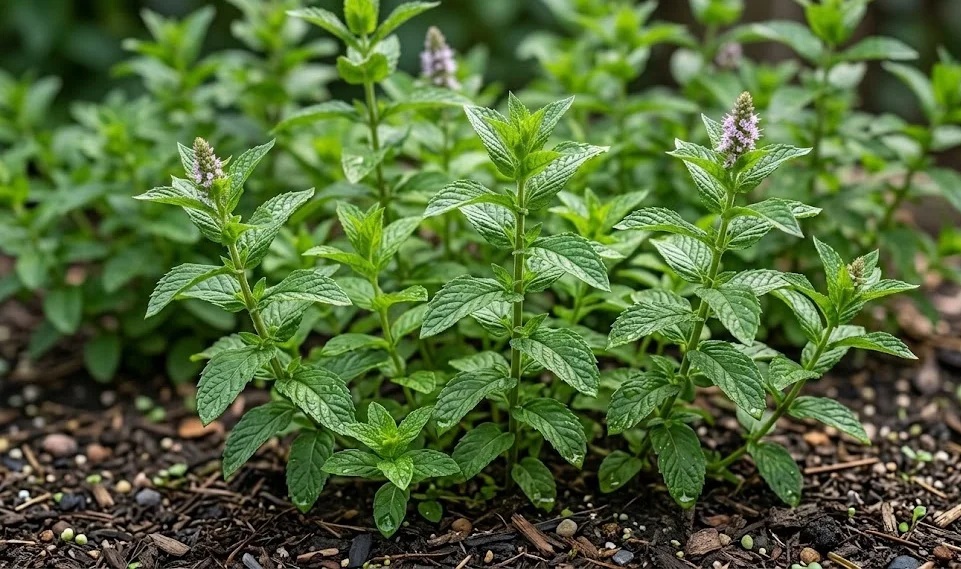
The simplest and most frequent form of pruning for spearmint is known as “pinching,” which involves removing the top inch or two of the growing stems. When you pinch off the terminal bud, the plant’s hormones are redirected to the lateral buds located further down the stem. This results in the growth of two new branches where there was previously only one, leading to a much bushier and more compact plant. You can start this practice as soon as your young mint plant has reached about six inches in height.
Regular pinching should be done throughout the entire growing season, especially if you aren’t harvesting the mint frequently for use in the kitchen. This constant “tipping” prevents the stems from becoming too long and falling over under their own weight. It also ensures that the plant remains focused on producing tender, flavorful leaves rather than channeling its energy into height. Many experienced gardeners make it a habit to pinch their mint every time they walk past the herb garden.
You don’t need any special tools for pinching; your thumb and forefinger are usually perfectly adequate for the soft, succulent stems of spearmint. However, if you are working with a large area of mint, a pair of sharp garden snips can make the job much faster and more precise. Always aim to make your cuts just above a leaf node (the point where leaves emerge from the stem) to encourage the new branches to form quickly. This simple technique is the secret to those perfectly dome-shaped mint plants often seen in professional displays.
If you have neglected your mint for a few weeks and it has become leggy, don’t be afraid to be a bit more aggressive with your pinching. Spearmint is incredibly resilient and will quickly recover from even a significant trim by sending out a flush of new growth. By maintaining this routine, you prevent the plant from becoming “thin” at the bottom and ensure a continuous supply of the best leaves at the top. Consistency is the key to using pruning as a tool for shaping the plant’s overall architecture.
More articles on this topic
Rejuvenation pruning after bloom
While the flowers of the spearmint plant are beautiful and attractive to pollinators, they signal a shift in the plant’s energy from leaf production to seed development. Once the plant begins to bloom, the leaves often become smaller and can take on a more bitter or less aromatic flavor. To keep your mint in its prime culinary state, it is often best to perform a major “rejuvenation pruning” just as the first flower buds begin to appear. This involves cutting the entire plant back to within a few inches of the ground.
While it may seem drastic to cut back a thriving plant so heavily, this is a standard professional technique that “resets” the plant’s growth cycle. Within a week or two, you will see a massive flush of tender, bright green shoots emerging from the base, which will have the sweet flavor of early spring growth. This second harvest is often just as productive as the first, allowing you to enjoy fresh mint well into the autumn. This method also helps to remove any foliage that may have become slightly damaged by the summer sun or minor pests.
If you want to support local pollinators, you can leave a small portion of your mint patch to flower while cutting back the rest for your own use. The flowers are a valuable source of nectar for bees and butterflies, adding an ecological benefit to your herb garden. Once those flowers have faded, you can then cut that section back as well to encourage a final round of growth before the winter. This balanced approach allows you to enjoy the best of both worlds—culinary bounty and ecological diversity.
After a major rejuvenation pruning, it is a good idea to provide the plant with a little extra water and a light feeding of organic fertilizer. This gives it the resources it needs to rebuild its foliage quickly without putting undue stress on the root system. You will find that the new growth is often more resistant to late-season diseases like rust because it is fresh and vigorous. Rejuvenation pruning is one of the most satisfying parts of mint care because the results are so fast and visible.
More articles on this topic
Controlling spread via root pruning
Because spearmint spreads primarily through underground rhizomes, pruning the above-ground foliage is only half of the battle in maintaining control. To keep your mint from invading nearby garden beds or lawn areas, you must also practice “root pruning” at least once or twice a year. This involves using a sharp, flat-edged spade to cut vertically into the soil around the perimeter of your mint patch. By severing the runners before they can establish themselves elsewhere, you can keep even the most aggressive mint variety in its place.
The best times for root pruning are in the early spring, just as the plant is waking up, and again in the late summer after the most vigorous growth phase. When you make your cuts, try to go at least six to eight inches deep to ensure you are catching the majority of the underground stems. You can then pull up and remove any runners that were outside your desired boundary, making sure to get as much of the root as possible. Even a small piece of rhizome left in the ground can eventually grow into a new and unwanted plant.
If you are growing mint in a raised bed or a large container, you should still check for any roots that might be escaping through drainage holes or over the edges. Mint is famously determined and will find the smallest opportunity to expand its territory if left to its own devices. Some gardeners choose to line their mint beds with heavy-duty plastic or metal barriers to make root pruning easier and more effective. This physical barrier acts as a permanent guide for your spade and prevents the rhizomes from wandering too far.
Root pruning is also a great opportunity to thin out an overcrowded patch and ensure that the remaining plants have plenty of room to thrive. If the center of your mint patch has become very dense and woody, you can remove some of the older sections of root to make room for younger, more vigorous growth. This internal thinning improves the health of the entire patch by allowing more air and light to reach the soil surface. Managing the roots is the true “pro tip” for living harmoniously with spearmint in a diverse garden.
Tools and precision cutting techniques
The quality of your pruning work is highly dependent on the tools you use and how you maintain them throughout the season. For spearmint, a pair of high-quality bypass pruners or dedicated herb snips is the best choice for making clean, precise cuts. Bypass shears act like scissors, where two blades slide past each other, resulting in a smooth cut that heals quickly without crushing the stem. Avoid using “anvil” style pruners, as these can pinch and damage the succulent tissues of the mint, making it more susceptible to disease.
Before you begin any pruning session, ensure that your blades are sharp and have been sterilized with a quick wipe of rubbing alcohol. This simple step prevents the accidental transfer of fungal spores or viruses from one plant to another, which is especially important if you’ve been working with diseased plants. Clean tools also require less effort to use, reducing hand fatigue during large-scale pruning tasks. Taking a few minutes to care for your equipment is a sign of a professional and dedicated gardener.
When making your cuts, always try to angle them slightly away from the center of the plant to encourage outward growth and prevent water from pooling on the cut surface. Aim for a spot about a quarter-inch above a leaf node, which provides enough space for the new buds to develop without leaving a long, unsightly “dead” stub. These stubs can often become entry points for rot or pests, so precision is important for the long-term health of the plant. As you gain experience, these movements will become second nature, and you’ll be able to prune your mint quickly and efficiently.
Finally, remember to collect and use the material you remove during your pruning sessions whenever possible. The stems and leaves from a rejuvenation pruning are perfect for drying, making mint syrup, or creating aromatic sachets for your home. Nothing should go to waste in a productive herb garden, and pruning provides a regular bounty that is separate from your daily harvests. By viewing pruning as a creative and productive task rather than a chore, you will enjoy a more successful and beautiful spearmint garden.