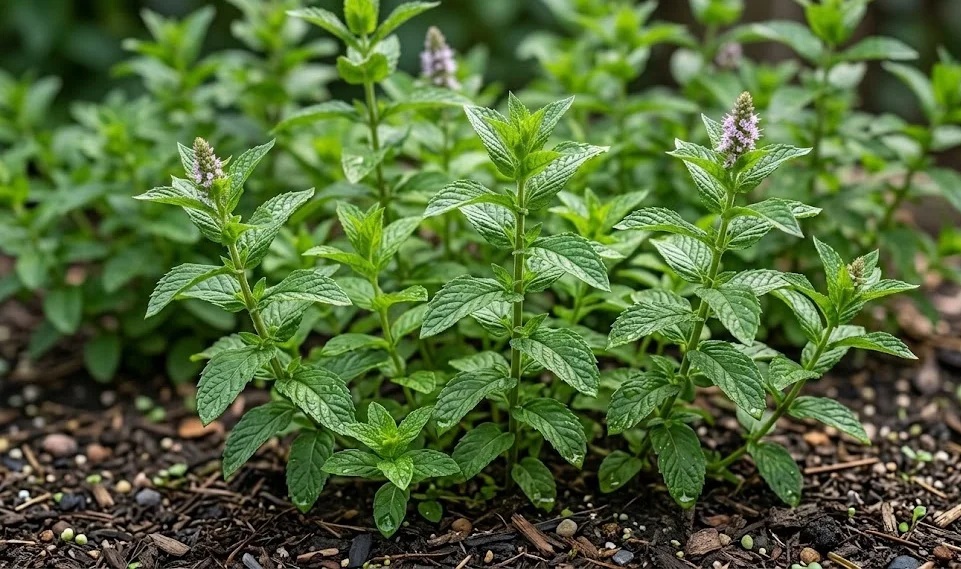

Protecting spearmint from various diseases and pests is a critical aspect of maintaining a high-quality herb garden. While mint is generally a tough plant, its lush and succulent foliage can attract a variety of unwanted visitors and fungal pathogens under the right conditions. Understanding the life cycles of these pests and the environments that favor disease will allow you to intervene early and effectively. A professional gardener focuses on prevention through good cultural practices, but also knows exactly what to do when a problem arises.
Identifying common fungal infections
Fungal diseases are the most frequent health issues encountered by spearmint growers, particularly in humid climates or where plants are spaced too closely. Powdery mildew is one of the easiest to spot, appearing as a white, flour-like dusting on the surface of the leaves. This fungus thrives in warm, dry days followed by cool, damp nights, and it can quickly sap the energy from the plant if left untreated. While it rarely kills the mint, it makes the leaves unsightly and unusable for culinary purposes.
Another common fungal issue is leaf spot, which manifests as small brown or black dots on the foliage that eventually expand and cause the leaf to drop. This is usually caused by excessive moisture on the leaves, especially when watering is done in the evening or if air circulation is poor. To manage this, you should remove any affected leaves immediately and ensure that the plants have plenty of room to breathe. Avoid overhead watering and focus on the base of the plant to keep the foliage as dry as possible.
Verticillium wilt is a more serious soil-borne fungal disease that affects the vascular system of the plant, causing it to wilt even when the soil is moist. You might notice the leaves turning yellow or reddish-bronze before they eventually die and fall off the stem. Unfortunately, there is no effective cure for this disease once it has taken hold in the plant’s tissues. The best course of action is to remove and destroy the infected plant and avoid planting mint in that specific location for several years.
Preventing fungal infections starts with choosing a planting site that receives adequate sunlight and has good drainage. Keeping the garden free of fallen debris and weeds also removes potential sources of fungal spores that could infect your mint. If you struggle with persistent fungal issues, there are organic fungicidal sprays available, such as those based on neem oil or potassium bicarbonate. However, these should be used as a last resort after you have optimized the plant’s growing conditions.
More articles on this topic
Managing mint rust issues
Mint rust is perhaps the most specific and troublesome disease for anyone growing spearmint, caused by the fungus Puccinia menthae. It first appears as small, dusty orange or yellow spots on the undersides of the leaves, which are actually fungal spore masses. As the infection progresses, these spots turn brown or black, and the leaves eventually become distorted and fall off. This disease is particularly difficult to manage because it can overwinter on the plant’s rhizomes and in the surrounding soil.
The primary way to control mint rust is through rigorous sanitation and the removal of any infected material as soon as it is detected. You should cut back the entire plant to the ground if the infection is widespread, and dispose of the cuttings in the trash rather than composting them. In the early spring, heat-treating the dormant rhizomes in hot water (about 110°F or 43°C) for ten minutes can help kill any overwintering spores. This is a professional technique used by commercial growers to ensure a clean start for the new season.
Good air circulation is your best defense against rust, so avoid overcrowding your plants and keep the area around them weed-free. If you are growing mint in a greenhouse or an enclosed area, using fans to keep the air moving can significantly reduce the risk of infection. Some gardeners find that applying a thin layer of fresh soil or mulch over the crown in the spring can help bury any spores that survived the winter. Being vigilant and acting quickly at the first sign of orange spots is the key to saving your crop.
There are some varieties of mint that are more resistant to rust than others, so if this is a recurring problem, you might consider trying a different cultivar. However, even resistant plants can become infected if the environmental conditions are poor enough. By maintaining the overall health and vigor of your spearmint through proper watering and nutrition, you make it much harder for the rust fungus to gain a foothold. A proactive approach to rust management will ensure your mint patch remains productive year after year.
More articles on this topic
Controlling aphid infestations
Aphids are small, soft-bodied insects that love to cluster on the tender new growth and the undersides of spearmint leaves. They feed by sucking the sap out of the plant, which can lead to distorted leaves, stunted growth, and a sticky residue known as honeydew. This honeydew can also attract ants and serve as a medium for the growth of sooty mold, adding another layer of problems. While a few aphids are rarely a major threat, their populations can explode very quickly under favorable conditions.
The simplest way to manage a small aphid infestation is to knock them off the plant with a strong stream of water from a garden hose. This physical removal is often enough to keep the population under control without the need for any chemical treatments. You should also encourage natural predators like ladybugs, lacewings, and hoverflies to take up residence in your garden. These beneficial insects can consume hundreds of aphids in a single day, providing a natural and effective form of pest control.
If the infestation is more severe, an organic insecticidal soap or neem oil spray can be used to coat the leaves and suffocate the insects. Be sure to spray the undersides of the leaves thoroughly, as this is where aphids spend most of their time. These treatments are most effective when applied in the early morning or late evening when the sun is not directly hitting the foliage. Consistency is important, as you may need to repeat the application every few days to catch any newly hatched insects.
Avoid using high-nitrogen fertilizers, as the lush, sappy growth they produce is particularly attractive to aphids and other sucking insects. Instead, focus on building healthy soil that encourages sturdy, resilient plant tissues that are less appealing to pests. By monitoring your spearmint regularly and taking action at the first sign of these tiny green or black insects, you can prevent them from causing significant damage. A balanced garden ecosystem is ultimately the best way to keep aphid populations in check.
Natural pest deterrents and companion insects
One of the best ways to protect your spearmint from pests is to integrate it into a diverse garden that attracts a wide range of beneficial organisms. Many predatory insects are attracted to the small flowers produced by mint and other herbs, so allowing some of your plants to bloom can be very beneficial. These “good bugs” act as a standing army that patrolled your garden, hunting down aphids, mites, and other harmful pests. Creating a habitat that supports these natural enemies is a hallmark of professional, ecological gardening.
In addition to insects, some gardeners use aromatic companion plants to help mask the scent of the mint or repel specific pests. For example, planting marigolds or alliums nearby can help deter certain beetles and flies that might otherwise target your herbs. However, since spearmint is so vigorous, it is usually better to keep it in its own container near these other plants rather than planting them in the same soil. This gives you the benefits of companion planting without the risk of the mint smothering its neighbors.
Spider mites can sometimes be a problem in hot, dry weather, appearing as tiny dots on the leaves and creating fine webbing. Keeping the humidity around the plants slightly higher through regular misting or group planting can help discourage these pests. If you notice mite damage—which looks like fine yellow stippling on the leaves—a thorough cleaning of the foliage is usually the first step in management. Like aphids, mites can often be controlled through physical removal and the application of horticultural oils if necessary.
For larger pests like slugs or snails, which can chew large holes in the mint leaves, traditional methods like beer traps or copper tape around pots can be effective. Keeping the area around the base of the plants clear of hiding places like large rocks or thick mulch also helps. By understanding the specific needs and behaviors of both the pests and their natural enemies, you can create a resilient garden environment. Natural pest management is not only better for the environment but also results in cleaner, safer herbs for your kitchen.
Prevention through sanitation and plant health
The most effective way to deal with any disease or pest problem is to prevent it from ever occurring through meticulous garden hygiene. This means regularly removing any dead or dying foliage and keeping the soil surface free of organic debris that could harbor pathogens. Using clean, sterilized tools when pruning or harvesting prevents the accidental spread of viruses and fungi from one plant to another. If you notice a plant that is clearly struggling despite good care, it is often better to remove it entirely to protect the rest of your garden.
Maintaining the overall vigor of your spearmint is another key factor in disease resistance, as healthy plants are much better at defending themselves. Proper watering, adequate sunlight, and balanced nutrition create a strong immune system in the plant, making it less susceptible to infections. Avoid stressing the plant through extreme pruning or allowing the soil to dry out completely during heatwaves. A plant that is thriving is naturally less attractive to pests and more resilient to the spores of common fungi.
When introducing new spearmint plants to your garden, always inspect them thoroughly for any signs of existing pests or diseases. It is often a good idea to keep new acquisitions in a separate “quarantine” area for a week or two before moving them near your established plants. This gives you time to ensure they are healthy and prevents the introduction of new problems into your garden ecosystem. Buying from reputable nurseries and starting your own plants from clean cuttings are also great ways to ensure a healthy start.
Finally, remember that gardening is a learning process, and even the most experienced experts encounter pests and diseases from time to time. The key is to remain observant and proactive, treating every challenge as an opportunity to better understand the needs of your plants. By following these professional guidelines for spearmint care, you can minimize the impact of pests and diseases and enjoy a beautiful, productive herb garden. Consistency and attention to detail are your most powerful tools in the fight for a healthy landscape.