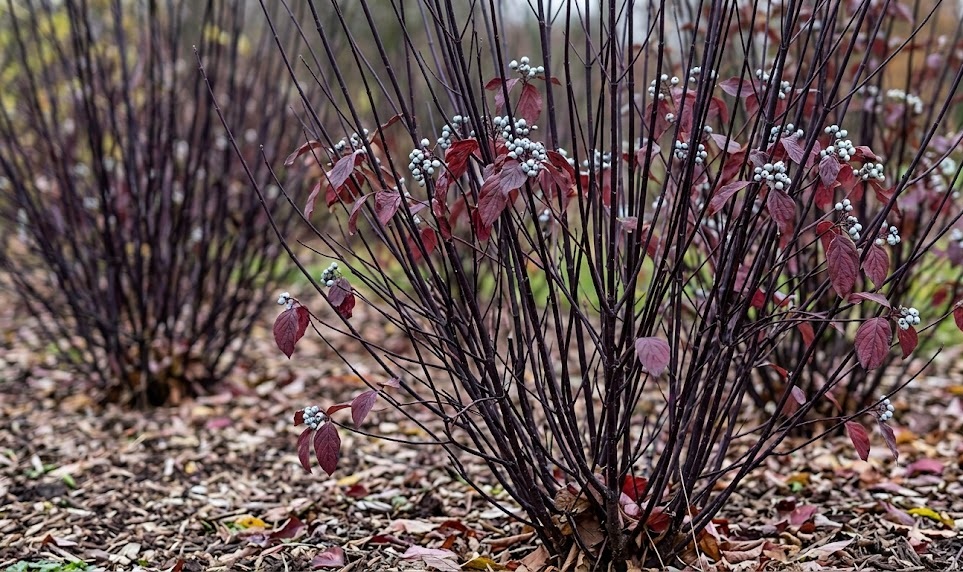

Maintaining the health of the black-stemmed dogwood involves a proactive approach to managing the various diseases and pests that can affect it. While these shrubs are generally robust, they are not immune to environmental stressors and biological invaders that can mar their appearance. Understanding the common threats and knowing how to respond quickly is essential for preserving the striking dark bark and lush foliage. This guide explores the most frequent issues gardeners face and offers professional strategies for prevention and treatment.
Recognizing and managing fungal infections
Fungal diseases are perhaps the most common health challenge for many varieties of dogwood, especially in humid or rainy climates. Powdery mildew often appears as a white, flour-like coating on the surface of the leaves during the middle of the summer. While it is rarely fatal, it can significantly weaken the plant and cause the foliage to distort or drop prematurely. Improving the airflow around the shrub through proper pruning and spacing is the first line of defense against this issue.
Leaf spot is another fungal problem that presents as small, dark lesions on the leaves that may eventually merge into larger dead patches. This is often caused by water sitting on the foliage for extended periods, providing the perfect environment for fungal spores to germinate. You should try to water the plant at the base and avoid overhead irrigation whenever possible to keep the leaves dry. If the infection is severe, removing and destroying the affected leaves can help slow the spread to healthy parts of the plant.
Anthracnose is a more serious fungal disease that can affect both the leaves and the stems of the black-stemmed dogwood. It typically starts as small spots on the leaves and can progress to cause cankers on the branches, leading to dieback. If you notice sunken areas or unusual discolorations on the bark, you should investigate further and prune out the infected wood immediately. Using sterilized tools for these cuts is absolutely vital to prevent the fungus from spreading to other parts of your garden.
Maintaining a clean garden floor by removing fallen leaves and debris in the autumn is a simple but effective way to reduce fungal pressure. Many fungi over-winter in the leaf litter and reinfect the plant as soon as the weather warms up in the spring. By being diligent about sanitation and promoting good environmental conditions, you can prevent most fungal issues before they require chemical intervention. A healthy, well-ventilated shrub is much less likely to suffer from these common garden ailments.
More articles on this topic
Common insect pests and their impact
Aphids are small, soft-bodied insects that often cluster on the tender new growth of dogwoods in the early spring and summer. They suck the sap from the plant, which can lead to stunted growth, curled leaves, and a sticky residue known as honeydew. This honeydew often attracts ants and can lead to the growth of unsightly sooty mold on the foliage and stems. A strong blast of water from a garden hose is often enough to dislodge these pests and keep their populations under control.
Scale insects can also be a problem, appearing as small, stationary bumps on the bark that look more like a disease than a bug. These pests also feed on the plant’s sap and can go unnoticed until the shrub begins to show signs of significant decline or dieback. They are particularly difficult to treat because their hard outer shells protect them from many contact sprays and environmental factors. Monitoring the stems closely during your regular garden walks will help you catch scale infestations before they become widespread.
Spider mites are tiny pests that thrive in hot, dry conditions and can cause the leaves to take on a stippled or bronzed appearance. You might notice fine webbing between the leaves or stems if the infestation is particularly heavy in your garden. Keeping the plant well-watered and occasionally misting the foliage can help discourage these mites from settling on your dogwoods. If you suspect mites, you can shake a branch over a piece of white paper to see the tiny specks moving around.
Japanese beetles are occasional visitors that can quickly skeletonize the leaves of a dogwood during the height of the summer months. While they are usually more interested in other plants, they can cause significant aesthetic damage if their numbers are high. Hand-picking the beetles and dropping them into a bucket of soapy water is a simple and effective way to manage small populations. Being aware of the local pest cycles will help you prepare for these temporary visitors and protect your shrubs.
More articles on this topic
Preventive measures for long-term health
Prevention is always more effective and less expensive than trying to cure a plant that is already suffering from a major pest or disease issue. The most important preventive measure is to ensure your black-stemmed dogwood is planted in the right location with appropriate soil and light. A stressed plant is much more attractive to insects and more susceptible to infections than a thriving, vigorous specimen. Consistent watering and proper nutrition provide the internal strength the plant needs to resist environmental threats.
Regular pruning to remove dead, damaged, or diseased wood is another key component of a professional health management plan for your shrubs. By taking out the old and weak branches, you encourage the plant to put its energy into healthy, new growth that is more resistant to attack. Always use clean, sharp tools and make your cuts at the correct angle to facilitate fast healing of the wood. This practice also improves light penetration and air circulation, which are natural deterrents for many pests and fungi.
Avoid wounding the bark of the shrub with lawnmowers or string trimmers, as these injuries are common entry points for pathogens. A thick layer of mulch around the base of the plant creates a natural barrier that keeps equipment away from the sensitive stems. If a branch does break or become damaged, prune it back cleanly to the nearest healthy bud or branch junction. Taking care of the physical integrity of the plant is just as important as managing its biological needs.
Finally, keeping a close eye on the general health of your entire garden will help you spot emerging trends and potential threats early on. If you notice a particular pest or disease affecting other plants in your neighborhood, you can take proactive steps to protect your dogwoods. Knowledge is your most powerful tool when it comes to maintaining a beautiful and healthy landscape for your home. A little bit of observation each week goes a long way in preventing major headaches later in the season.
Organic and natural control methods
If you do encounter a pest or disease problem, there are many organic and natural options available that are safe for the environment. Neem oil is a popular choice that works as both a fungicide and an insecticide, making it a versatile tool for any gardener. It is effective against powdery mildew, aphids, and many other common issues without harming most beneficial insects when used correctly. Always follow the label instructions and apply it during the cooler parts of the day to avoid leaf scorch.
Insecticidal soaps are another great option for controlling soft-bodied pests like aphids and spider mites on your black-stemmed dogwoods. These soaps work by breaking down the outer layer of the insect, causing them to dehydrate and die relatively quickly. They have no residual effect, so they are very safe for birds and other wildlife that might visit your garden. You must ensure the soap comes into direct contact with the pests for it to be effective, so thorough coverage is key.
Encouraging natural predators like ladybugs, lacewings, and birds is a sustainable way to keep pest populations in check over the long term. You can do this by planting a variety of flowering plants that provide food and shelter for these helpful creatures throughout the year. Avoid using broad-spectrum chemical pesticides that kill the good bugs along with the bad ones, as this often leads to even worse outbreaks. A balanced ecosystem is the ultimate goal of a professional and environmentally conscious gardener.
For fungal issues, a simple baking soda spray can sometimes provide relief and prevent the spores from spreading further across the foliage. Mixing a small amount of baking soda with water and a drop of dish soap creates an environment that is less hospitable for fungi. While it may not cure a heavy infection, it is a gentle and inexpensive way to manage minor problems early in the season. Natural methods require a bit more patience and observation, but the results are much better for the health of your garden.
When to seek professional intervention
Sometimes, despite your best efforts, a pest or disease issue may become too large or complex for you to manage on your own. If you notice a sudden and dramatic decline in the health of your dogwood that you cannot explain, it might be time to call in an expert. A professional arborist or a local extension office can provide a definitive diagnosis and recommend a targeted course of action. Getting an accurate identification of the problem is the first step toward finding a successful and lasting solution.
If a disease has spread into the main structural stems or the root system, the survival of the plant may be at risk. In these cases, specialized treatments or even the removal of the entire shrub may be necessary to protect the rest of your landscape. It is better to lose one plant than to let a serious infection spread to all of your other dogwoods or susceptible species. A professional can help you weigh the options and make the best decision for the overall health of your garden.
Chemical treatments that are not available to the general public may sometimes be required for particularly stubborn or dangerous pests. These should only be applied by licensed professionals who have the training and equipment to use them safely and effectively. They can also provide advice on how to improve your cultural practices to prevent the problem from returning in future years. Investing in professional advice can save you a significant amount of money and frustration in the long run.
Ultimately, the goal is to learn from every challenge and become a more skilled and observant gardener through the process. Every pest or disease you encounter is an opportunity to refine your care routine and better understand the needs of your plants. By being proactive and seeking help when needed, you can ensure your black-stemmed dogwoods remain a beautiful feature of your home. Your dedication to their health will be rewarded with years of stunning visual interest in your garden.