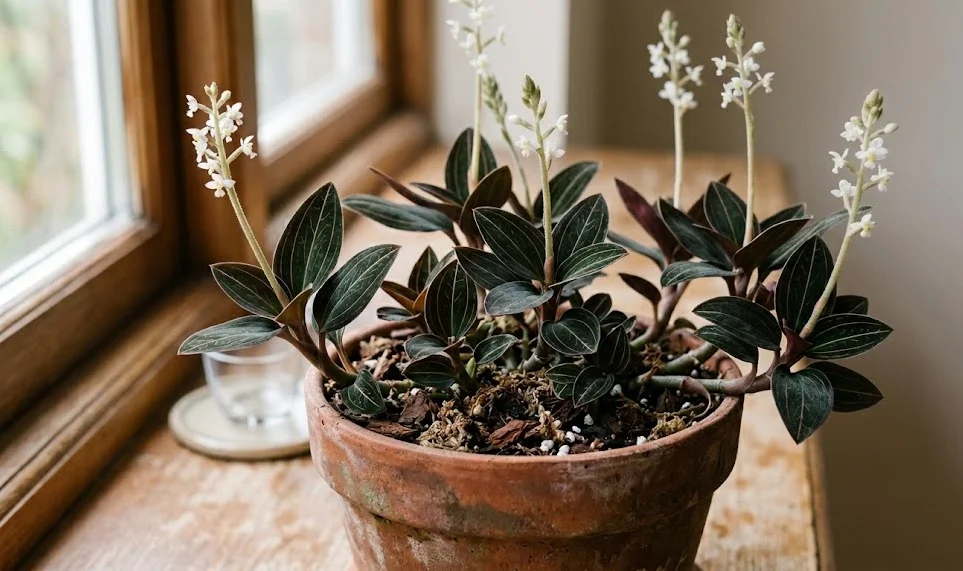

Proper hydration is perhaps the most vital aspect of maintaining a black jewel orchid, as this species does not possess the large pseudobulbs that other orchids use to store water. Because it is a terrestrial plant, it relies on a constant, even supply of moisture within the substrate to keep its fleshy stems and velvety leaves turgid. Finding the perfect balance between “damp” and “soggy” is the hallmark of a successful grower who understands the needs of this delicate rainforest inhabitant. Neglecting the watering schedule can quickly lead to wilting, while over-saturation often results in the swift onset of root rot.
When assessing whether it is time to water, you should rely on the feel of the substrate rather than a strict calendar schedule. Insert your finger about two centimeters into the potting mix; if it feels dry to the touch, it is time to provide a thorough drink. The goal is to keep the medium consistently moist, similar to a wrung-out sponge, throughout the active growing season. You will find that environmental factors like temperature and humidity will dictate how frequently this task needs to be performed in your specific home.
The method of watering is just as important as the frequency to ensure the plant remains healthy and free from rot. Always apply water directly to the soil surface, taking care to avoid getting moisture trapped in the crown or between the leaves. If water sits in these areas for too long, especially in cooler temperatures, it can invite bacterial infections that can destroy the plant. Many experts recommend watering in the morning so that any accidental splashes have plenty of time to evaporate during the day.
During the winter months or when the plant is in its dormant phase, you should naturally reduce the frequency of watering. The orchid’s metabolic rate slows down during this time, and it will not process moisture as quickly as it does in the spring. However, you must never allow the substrate to dry out completely, as this can cause permanent damage to the fine root hairs. Observing the stems for any signs of shriveling is a good way to determine if the plant is becoming dangerously dehydrated during its rest period.
The importance of water quality and temperature
This orchid can be sensitive to the various minerals and chemicals often found in municipal tap water supplies. Chlorine, fluoride, and heavy minerals can build up in the substrate over time, leading to leaf tip burn and overall decline in plant health. If your tap water is particularly hard, it is highly recommended to use distilled water, rainwater, or water filtered through a reverse osmosis system. This extra step ensures that the delicate roots are not exposed to harsh substances that could hinder nutrient uptake.
More articles on this topic
Temperature is another critical factor when it is time to hydrate your specimen, as cold water can shock the tropical roots. Always use water that is at room temperature or slightly lukewarm to ensure a gentle experience for the plant. Using water that is too cold can lead to leaf spotting or even cause the plant to drop its leaves in a stress response. Keeping a dedicated watering can filled and sitting in the room for a few hours before use is an easy way to achieve the correct temperature.
If you must use tap water, allowing it to sit in an open container for twenty-four hours can help some of the chlorine dissipate. However, this will not remove fluoride or other minerals, so it is only a partial solution for those with sensitive plants. Periodically flushing the substrate with pure, distilled water can help wash away any accumulated salts that have built up from previous waterings. This “cleansing” flush is a great practice to perform every few months to maintain a healthy root environment.
In very humid environments, the plant may require less frequent manual watering as it can absorb some moisture from the air. Conversely, if you live in a dry climate, the substrate will dry out much faster, necessitating a more rigorous hydration routine. Always adjust your habits based on the current weather and the microclimate of your growing area. By paying attention to these small details, you provide the stable foundation your black jewel orchid needs to produce its signature velvety foliage.
Adjusting watering for seasonal changes
As the seasons transition, so too must your approach to watering this unique terrestrial orchid. In the spring and summer, the combination of longer days and warmer temperatures triggers a period of rapid growth and high transpiration. During this peak time, you may find yourself watering the plant two or three times a week to keep the substrate appropriately moist. This is the period when the plant is most resilient and can handle a bit more moisture as it builds new leaves and rhizomes.
More articles on this topic
As autumn approaches and the light levels begin to wane, the orchid will naturally start to slow its growth in preparation for the winter. You should begin to extend the time between waterings, allowing the top layer of the substrate to dry out slightly more than usual. This change mimics the natural cycles of its native habitat and helps the plant transition into its blooming or dormant phase. Overwatering during this transition is a common mistake that can lead to fungal issues as the plant’s water needs decrease.
In the height of winter, the plant’s demand for water is at its lowest, but the dry air from indoor heating can complicate matters. While the soil stays damp longer, the leaves might lose moisture faster due to low humidity, creating a confusing situation for the grower. Focus on maintaining high humidity through external means while keeping the soil just barely moist. This careful balance ensures the orchid doesn’t rot in cold, wet soil while also preventing it from drying out in the parched indoor air.
The return of spring brings the need for a gradual increase in watering frequency to support the emergence of new shoots. Start by shortening the intervals between waterings as you see the first signs of green growth at the nodes or the center of the crown. This “wake-up” call helps the plant transition out of dormancy and provides the energy needed for the upcoming growing season. By following the natural rhythms of the plant, you ensure its vitality and health year-round.
Providing the right nutrients through fertilization
Fertilizing a black jewel orchid requires a “less is more” philosophy to avoid damaging its sensitive terrestrial roots. In the wild, these plants receive a constant but very dilute stream of nutrients from decomposing organic matter on the forest floor. To replicate this in a home setting, use a balanced, water-soluble orchid fertilizer diluted to one-quarter or even one-eighth of the recommended strength. Applying this weak solution every two to four weeks during the growing season is usually sufficient for steady development.
It is absolutely essential to water the plant with plain water before applying any fertilizer solution to the substrate. Applying fertilizer to dry roots can cause immediate chemical burns, leading to root death and significant stress for the orchid. By pre-moistening the medium, you ensure the nutrients are distributed evenly and the roots are protected. This simple step is one of the most effective ways to prevent accidental damage during the feeding process.
During the winter months or when the plant is not actively growing, you should stop fertilization entirely. Forcing nutrients on a dormant plant can lead to a dangerous buildup of salts in the soil, as the plant is not absorbing them to create new tissue. Resuming the fertilization schedule in the spring, once new growth is clearly visible, will provide the necessary boost for the new season. Most growers find that a brief pause in feeding allows the plant to rest and prevents long-term soil toxicity.
If you prefer a more organic approach, you can occasionally use a very diluted fish emulsion or seaweed extract. These organic options provide a wide range of trace minerals that can enhance the richness of the leaf color and overall plant vigor. However, be mindful of the scent and ensure these products are used in a well-ventilated area. Regardless of the type of fertilizer you choose, consistency and moderation are the keys to a thriving jewel orchid.
Identifying nutrient toxicity and deficiency
Being able to read the signs your orchid is giving you regarding its nutrition is a vital skill for any serious collector. If you notice the tips of the leaves turning brown or black and becoming crispy, it is often a sign of fertilizer salt buildup. This toxicity can be remedied by thoroughly leaching the pot with large amounts of distilled water to wash away the excess minerals. Moving forward, you should further dilute your fertilizer or reduce the frequency of application to avoid a recurrence.
A deficiency in nutrients often manifests as slow growth, smaller-than-usual leaves, or a loss of the deep, rich coloration in the foliage. If the golden veins seem to fade or the maroon background turns a pale, sickly green, the plant may need a bit more nitrogen or trace minerals. In such cases, gradually increasing the strength of the fertilizer can help restore the plant’s health over several weeks. Always make changes slowly, as sudden spikes in nutrient levels can be just as harmful as a total lack of them.
Yellowing of the newer leaves can sometimes indicate a lack of iron or magnesium, which are essential for chlorophyll production and overall cellular health. If the older leaves are yellowing while the rest of the plant looks healthy, it is likely just a natural part of the aging process. However, widespread yellowing across the entire plant usually points to a more systemic issue with either watering or nutrition. Regular observation allows you to catch these subtle shifts before they become life-threatening problems for the orchid.
Finally, keep an eye on the texture and strength of the stems as an indicator of nutritional status. A well-fed jewel orchid will have sturdy, turgid rhizomes that support the weight of the lush foliage without drooping excessively. Stems that feel soft or look unusually thin may be a sign that the plant is not receiving enough energy from its environment or its fertilizer. By balancing water and nutrients perfectly, you will be rewarded with a spectacular display of one of nature’s most beautiful foliage plants.