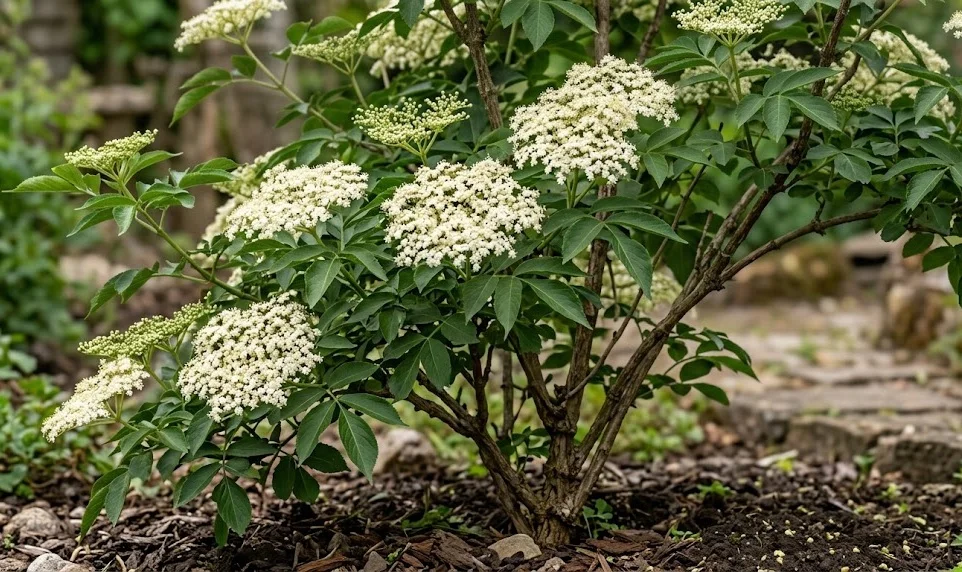

Protecting your black elderberry from the various biological threats that exist in the environment is a constant but rewarding challenge for every dedicated gardener. While these shrubs are generally more resilient than many other fruit-bearing species, they are not entirely immune to the pressures of nature’s opportunistic organisms. You must learn to recognize the early warning signs of trouble to prevent a minor issue from turning into a full-scale crisis in your orchard. A proactive and observant approach is always your best defense when it comes to maintaining a healthy and productive agricultural landscape.
Sanitation and airflow are the two most powerful tools you have for preventing the spread of diseases within your elderberry plantation. By keeping the ground clear of fallen debris and pruning for an open canopy, you remove the humid conditions that most pathogens desperately need to survive and thrive. Many problems start in the dark, damp corners of a neglected plant where the air remains stagnant for too long during the summer months. Taking the time to keep your garden tidy and your plants well-spaced is a simple but profound investment in their long-term health and vitality.
Natural predators and beneficial insects are your silent allies in the ongoing battle against the pests that want to feast on your elderberry leaves and fruit. You should strive to create a diverse ecosystem in your garden that attracts ladybugs, lacewings, and predatory wasps that will do the hard work of pest control for you. Avoid using broad-spectrum chemical pesticides that kill these helpful creatures along with the harmful ones, as this often leads to even worse outbreaks in the future. A balanced garden is a self-regulating system where no single pest population can easily get out of control for long.
If you do find it necessary to intervene with treatments, always start with the most gentle and organic options available to you as a modern and responsible gardener. Many fungal and insect issues can be managed with simple solutions like neem oil, insecticidal soap, or even a strong blast of water from your garden hose. The goal is to manage the problem just enough to allow the plant’s own natural defenses and the local predators to take over the situation. This integrated pest management strategy is the most sustainable way to grow healthy food while also protecting the wider environment.
Common fungal issues and management
Powdery mildew is one of the most recognizable fungal problems that can affect the leaves of your black elderberry during the warm and humid days of late summer. It appears as a white, flour-like dusting on the surface of the foliage, which can eventually cause the leaves to curl, turn yellow, and drop prematurely. While it is rarely fatal to the plant, a severe infection can weaken the shrub and reduce the quality of the harvest you are hoping to collect. Improving air circulation through strategic pruning is the best long-term solution for preventing this common and persistent garden nuisance.
More articles on this topic
Verticillium wilt is a more serious soil-borne fungal disease that attacks the vascular system of the elderberry, preventing water and nutrients from reaching the branches. You might notice that one side of the plant suddenly begins to wilt and die back while the rest of the shrub remains apparently healthy for a time. Unfortunately, there is no easy cure for this disease once it has established itself within the tissues of the plant and the surrounding soil. The best strategy is to avoid planting in infested areas and to always source your plants from reputable, disease-free nurseries.
Canker diseases can manifest as sunken, discolored areas on the woody stems of the elderberry, often leading to the death of the branch above the affected site. These fungi usually enter the plant through wounds caused by mechanical damage, improper pruning, or severe weather events like hail or heavy wind. You should prune out any infected branches several centimeters below the visible canker, making sure to sterilize your tools between every single cut you make. Keeping your plants healthy and stress-free is the best way to help them resist the entry of these destructive fungal pathogens.
Root rot can occur if your elderberries are grown in soil that remains saturated for extended periods, providing the perfect environment for water-loving fungi to attack. The symptoms often include a general decline in vigor, yellowing leaves, and a root system that appears dark and mushy rather than firm and white. Once root rot has taken hold, it can be very difficult to save the plant, which is why proper site selection and drainage are so critical from the very beginning. Always ensure that your soil can “breathe” and that excess water has a clear path to move away from the sensitive root zone.
Insect infestations and control
Aphids are tiny, soft-bodied insects that cluster on the new growth of the elderberry and suck the life-giving sap from the tender stems and leaves. While a few aphids are not a major concern, large populations can cause leaf distortion and excrete a sticky substance called honeydew that attracts ants and sooty mold. You can often control them simply by encouraging native ladybugs or by spraying the affected areas with a firm stream of water to knock them off. In more persistent cases, an application of organic insecticidal soap will usually solve the problem without harming the plant or the environment.
More articles on this topic
The elderberry borer is a more specialized pest that can cause significant structural damage by tunneling into the soft pith of the stems and branches. You might notice small holes in the wood or a sawdust-like material, called frass, accumulating at the base of the plant or in the crotches of the branches. The best way to manage this pest is to prune out and destroy any infested stems during the winter when the larvae are still tucked safely inside. Maintaining a regular pruning schedule ensures that you remove older wood which is often the most attractive target for these boring insects.
Spider mites are microscopic pests that thrive in hot, dry conditions and can quickly skeletonize the leaves of your elderberry if they are left unchecked by the gardener. They spin delicate webs on the underside of the foliage and feed on the plant cells, causing a characteristic stippling or bronzing appearance on the leaves. Keeping your plants well-hydrated and occasionally rinsing the dust off the foliage can help keep spider mite populations under control during the height of summer. If an outbreak occurs, neem oil is a very effective organic treatment that disrupts the life cycle of these persistent and annoying little arachnids.
Birds are often considered the most “pleasant” of the pests, but they can quickly strip an entire elderberry bush of its fruit just as it reaches peak ripeness for you. While it is nice to share some of your harvest with the local wildlife, you may need to use bird netting if you want to save enough berries for your own kitchen needs. Make sure the netting is secured tightly around the base of the plant so that birds do not become trapped or find a way to crawl underneath it. Alternatively, planting a few extra shrubs specifically for the birds can sometimes provide enough of a distraction to keep your main crop safe and untouched.
Viral and bacterial threats
Tomato ringspot virus is one of the more common viral diseases that can affect black elderberry, often leading to stunted growth and a general lack of productivity. The virus is frequently spread by tiny nematodes that live in the soil and feed on the roots, making it a difficult problem to identify and manage. Symptoms can be subtle, such as mottled patterns on the leaves or a gradual decline in the overall health of the shrub over several growing seasons. Since there is no cure for viral infections in plants, removing and destroying infected individuals is the only way to prevent the virus from spreading further.
Bacterial leaf spot can appear as small, water-soaked lesions on the foliage that eventually turn brown or black and may be surrounded by a yellow halo of dying tissue. This disease thrives in cool, wet weather and is easily spread by splashing rain or by the movement of contaminated garden tools and hands. To minimize the risk, avoid working with your plants when the leaves are wet and always ensure there is plenty of space for air to move through the canopy. If the infection is limited to a few leaves, simply removing them and disposing of them in the trash can help stop the bacterial spread.
Fire blight is a bacterial disease that is more famous for attacking apple and pear trees, but it can occasionally affect members of the elderberry family as well. It causes the tips of the branches to turn black and shrivel, often taking on a characteristic “shepherd’s crook” shape that is very easy for the gardener to recognize. You must act quickly to prune out the infected wood, cutting at least thirty centimeters into healthy tissue to ensure you have removed all of the bacteria. Always remember to dip your pruning shears in a disinfectant between every single cut to avoid being the one who spreads the disease further.
Stem cankers caused by bacteria can also occur, leading to the oozing of sap or a general dieback of the affected limbs during the peak of the growing season. Like fungal cankers, these bacterial entry points are often the result of physical injury or stress that has weakened the plant’s natural immune system. Preventing injury from lawnmowers and weed trimmers is a simple but vital part of protecting your elderberries from these opportunistic bacterial invaders. A healthy, well-fed, and properly watered plant is always the best defense against any viral or bacterial threat that might come its way.
Preventive measures and garden hygiene
The foundation of any successful pest and disease management plan is the selection of healthy, resistant varieties that are well-suited to your local climate and soil. Many modern cultivars have been bred specifically for their ability to resist common issues like powdery mildew or specific viral strains that plague wild populations. By starting with the best possible genetic material, you significantly reduce the amount of work and intervention you will have to perform in the future. Spend some time researching the best varieties for your specific region before you make your final purchase and planting decisions.
Crop rotation and strategic plant placement can help break the life cycles of many soil-borne pathogens and insects that might be lurking in your garden beds. Avoid planting elderberries in spots where you have recently removed other woody shrubs that suffered from similar disease or pest issues in the past. Giving the soil a few years to “rest” or planting unrelated cover crops can help cleanse the earth and prepare it for a new generation of healthy elderberry bushes. Diversity in the landscape is a powerful tool for preventing any single problem from becoming a permanent resident in your outdoor space.
Fall cleanup is perhaps the most important task for the gardener who wants to minimize disease pressure for the following spring and summer seasons. Remove all fallen leaves, mummified fruit, and dead wood from around the base of your elderberry plants and either burn them or dispose of them in a hot compost pile. This removes the overwintering sites for many fungi and insects that are just waiting for the warmer weather to return and begin their life cycles again. A clean start each spring makes it much harder for pests and diseases to gain a foothold in your productive and beautiful garden.
Proper pruning not only improves the yield and quality of the fruit but also acts as a vital preventive measure for the health of the entire black elderberry shrub. By thinning out the oldest wood and opening up the center of the bush, you allow sunlight to reach the inner leaves and dry them quickly after a rain. This reduction in humidity is the single most effective way to prevent the vast majority of fungal diseases from ever getting started in the first place. Think of your pruning shears as a surgical tool that helps keep the plant’s “respiratory system” working at its peak efficiency.
Organic treatment solutions
Neem oil is a versatile organic treatment derived from the seeds of the neem tree that works both as an insecticide and a fungicide in the garden. It is particularly effective against soft-bodied insects like aphids and can also help suppress the growth of powdery mildew on the leaves of your elderberries. To use it safely, always follow the label instructions and apply it during the early morning or late evening when beneficial pollinators are not active. Neem oil is a great “first-line” defense that is safe for the environment and highly effective when used correctly and consistently.
Sulfur and copper-based sprays have been used for centuries as organic fungicides to control a wide range of diseases, including leaf spots and mildews on various fruit crops. These minerals work by creating a protective barrier on the surface of the plant that prevents fungal spores from germinating and entering the leaf tissues. However, you must be careful with the timing and concentration of these sprays, as they can sometimes cause damage to the foliage if applied during very hot or sunny weather. Always test a small area of the plant first to ensure that it tolerates the treatment well before spraying the entire shrub.
Biological controls, such as the introduction of beneficial bacteria or fungi, are a cutting-edge organic way to manage pests and diseases in the modern agricultural landscape. For example, Bacillus thuringiensis (Bt) is a naturally occurring bacterium that can be used to control the larvae of certain moths and butterflies without harming other insects. There are also beneficial fungi that can be applied to the soil to attack harmful nematodes or outcompete the pathogens that cause root rot and wilt. Using nature’s own technology is a smart and sustainable way to maintain a healthy and productive elderberry orchard for many years to year.
Homemade solutions, such as a simple mixture of baking soda, water, and a drop of organic soap, can be surprisingly effective against mild fungal outbreaks in the garden. The baking soda changes the Ph on the surface of the leaf, making it an inhospitable environment for many types of fungi to grow and spread further. While these remedies might require more frequent application than commercial products, they are incredibly safe and affordable for the home gardener to use as needed. Experimenting with these gentle methods allows you to find the perfect balance for your specific garden and the unique needs of your black elderberry plants.