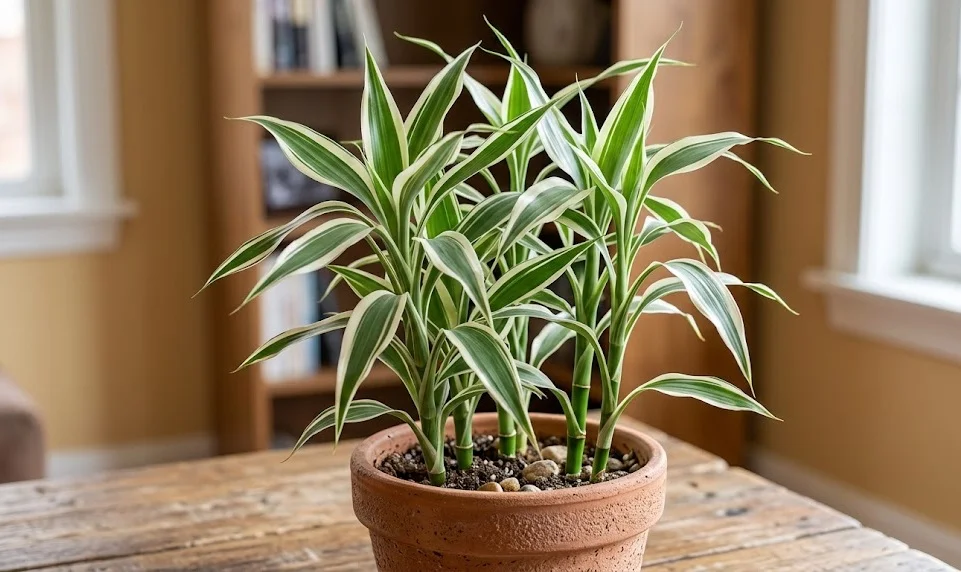

As the days grow shorter and the temperatures begin to drop, your indoor plants require a shift in care to navigate the winter months successfully. The white-edged dragon tree is a tropical native that does not experience a traditional winter in its natural habitat, so it must adapt to the conditions inside our homes. While it doesn’t go into a deep dormancy like many outdoor plants, its growth will slow down significantly in response to the reduced light levels. Preparing your plant for this seasonal transition is essential for maintaining its health and preventing common winter-related issues.
Winter brings a unique set of challenges for houseplants, primarily due to the dry air caused by central heating and the much lower intensity of natural sunlight. You might notice that your dragon tree stops producing new leaves or that its water needs decrease dramatically compared to the summer. This is a perfectly natural reaction to the changing environment, and you should not try to force growth through excessive watering or feeding. A professional approach involves working with the plant’s natural rhythm rather than against it.
Temperature management is particularly critical during the winter, as dragon trees are highly sensitive to cold drafts and sudden thermal fluctuations. Even a short period of exposure to freezing air from an open window or a poorly insulated door can cause significant damage to the foliage. You should also be mindful of the heat coming from radiators, which can dry out the soil and air too quickly for the plant to compensate. Finding a stable and protected spot for the winter will ensure your plant emerges in the spring looking as good as ever.
In this article, we will discuss the best practices for wintering your white-edged dragon tree and how to adjust your daily routine. We will cover everything from light optimization and humidity management to the specific watering needs of a resting plant. You will also learn how to identify and prevent the pests that are most active during the indoor heating season. By the end, you will have a clear plan for keeping your tropical companion safe and healthy until the return of the warm spring weather.
Adjusting your watering and feeding schedule
The most important change you must make in the winter is to reduce the frequency of your watering sessions significantly. Because the plant is growing much more slowly and the light levels are lower, it uses far less water than it does during the active summer months. You should always check the soil moisture levels before adding more water, and only do so when the top half of the pot feels dry. Overwatering in the winter is the leading cause of root rot, as the cool soil stays wet for much longer than the plant can handle.
More articles on this topic
You should stop all fertilization of your white-edged dragon tree from late autumn until the first signs of new growth appear in the spring. Adding nutrients when the plant is not actively growing can lead to a buildup of salts in the soil that can damage the delicate root system. The plant has enough stored energy to maintain its existing foliage throughout the winter without any additional help from fertilizers. Respecting this period of rest is vital for the long-term health and vitality of your indoor tropical specimens.
When you do water your plant in the winter, make sure to use lukewarm water rather than cold water straight from the tap. Cold water can shock the tropical roots and cause them to shut down, leading to leaf drop or other signs of physiological stress. Take the time to let the water reach room temperature before applying it to the soil, and always ensure that any excess is drained away immediately. This small detail can make a big difference in how well your dragon tree handles the challenges of the cold season.
Monitor the appearance of the leaves closely during this time, as they will often tell you if your watering routine is out of balance. If the leaves start to look limp or yellow, it is a sign that the soil might be staying too wet despite your reduced watering schedule. Conversely, if the tips start to brown more than usual, the air might be too dry, or you might be letting the soil dry out for too long. Achieving the perfect balance in the winter requires a bit of trial and error and a lot of careful observation.
Optimizing light and temperature conditions
Natural light is at a premium during the winter, and your dragon tree may struggle to get the energy it needs if it remains in its summer location. You might need to move the plant closer to a south-facing window where it can take advantage of every available hour of sunlight. Be sure to keep the leaves clean of dust, as a clean leaf can absorb light much more efficiently than a dusty one. If your home is particularly dark, you could even consider using a supplemental grow light to help the plant maintain its vibrant variegation.
More articles on this topic
Maintaining a consistent temperature is just as important as providing enough light during the cold winter months. You should keep your dragon tree in a room that stays between eighteen and twenty-one degrees Celsius throughout the day and night. Avoid placing the plant near exterior doors, windows with thin glass, or any area where a cold draft might reach it when the door is opened. Sudden drops in temperature are one of the most common causes of winter leaf drop in tropical houseplants.
Conversely, you must also protect your plant from the intense, dry heat produced by radiators, fireplaces, and space heaters. The hot air coming directly from these sources can quickly desiccate the leaves and cause the soil to dry out unevenly. Keep your dragon tree at least a few feet away from any heat source to ensure it doesn’t get “cooked” during the night. A professional gardener always looks for a location that provides a stable middle ground between the cold outside and the harsh heat inside.
If you have a particularly cold room that you don’t use often, it is better to move your plants to a warmer part of the house for the duration of the winter. Even though it might mean temporarily changing your interior decor, the health of your plants should always come first. Once the danger of frost has passed and the indoor temperatures stabilize, you can move them back to their preferred permanent positions. This seasonal migration is a small price to pay for the continued health of your white-edged dragon tree.
Managing humidity in a heated home
Central heating is notorious for stripping the moisture out of the air, which can be very hard on tropical plants like the dragon tree. You will likely see an increase in brown leaf tips during the winter as the plant struggles to maintain its internal hydration in the dry air. To counter this, you should make a concerted effort to boost the humidity levels in the immediate vicinity of your plants. Using a dedicated room humidifier is the most effective solution, but there are other, simpler methods that can also help.
Placing your plants on trays filled with pebbles and a small amount of water is a classic and effective way to create a humid microclimate. As the water evaporates, it rises directly around the foliage, providing a constant source of moisture that the plant can absorb through its leaves. Just make sure the pot is sitting on top of the pebbles and not directly in the water to avoid any risk of root rot. This simple setup can significantly reduce the stress your dragon tree feels during the height of the heating season.
Grouping your plants together is another natural way to manage humidity, as they all release moisture into the air through transpiration. A collection of plants in one corner will naturally create a more humid environment than a single plant sitting by itself in a large room. This technique is especially useful if you have a mix of different species that all enjoy higher humidity levels, such as ferns and other dragon trees. You will notice that the plants look much happier and more vibrant when they are allowed to support each other in this way.
While misting is often recommended, its effects are very temporary and it shouldn’t be relied upon as the only source of humidity. It is much better to focus on more consistent methods that provide a steady supply of moisture throughout the day and night. However, a gentle misting can still be useful for removing dust from the leaves and providing a brief refreshing boost. Just be careful not to overdo it, as leaving the leaves wet for too long in a cool room can lead to fungal issues.
Winter pest control and monitoring
Some pests, like spider mites, are actually more active in the winter because they thrive in the warm, dry air created by our heating systems. Because your plant is in a state of rest, it may be less able to defend itself against an infestation than it would be in the summer. You should make it a habit to inspect your dragon tree every week, paying close attention to the undersides of the leaves and the growth points. Early detection is the key to preventing a minor problem from becoming a major disaster during the winter months.
If you do find pests, you must treat them immediately using a gentle method that won’t further stress the dormant plant. Washing the leaves with a solution of mild soap and lukewarm water is often enough to remove small numbers of mites or mealybugs. Avoid using harsh chemical pesticides unless absolutely necessary, as these can sometimes cause more harm than good to a resting plant. After treatment, keep a close eye on the plant for several weeks to ensure that the pests have been completely eradicated.
Winter is also a time when you might notice fungal gnats if you are accidentally overwatering your plants in the cool weather. These tiny flies are a clear signal that the top layer of soil is staying too wet for too long and needs to dry out. You can use yellow sticky traps to catch the adults and allow the soil to dry out more thoroughly to kill the larvae. Maintaining proper watering habits is the best defense against gnats and many other winter-related issues in your indoor garden.
Finally, take the time to clean the leaves of your dragon tree regularly throughout the winter to ensure it can make the most of the limited light. Dust buildup can also provide a hiding place for tiny pests, so keeping the foliage clean serves a dual purpose for both health and beauty. A professional gardener remains vigilant all year round, knowing that the challenges of winter are just as important as the growth of summer. With the right care, your white-edged dragon tree will successfully navigate the cold months and be ready for a vibrant return in the spring.