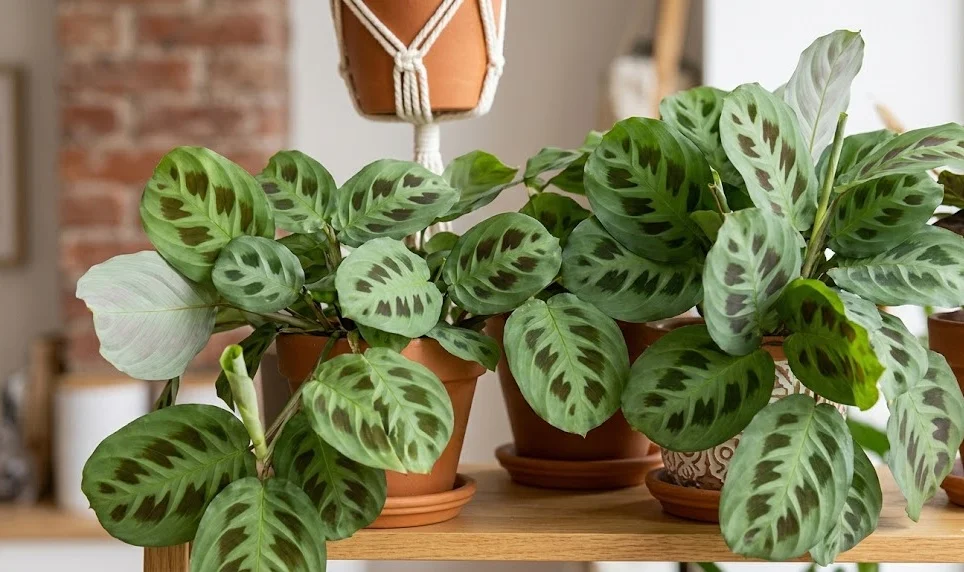

Pruning is a vital maintenance task that helps keep your prayer plant looking its best while encouraging healthy and vigorous growth. Over time, the stems of this species can become long and leggy, or older leaves may naturally begin to yellow and decline. By strategically cutting back the plant, you can maintain its compact, bushy shape and stimulate the production of fresh, vibrant foliage. This process is not just about aesthetics; it is a way to rejuvenate the plant and keep it in peak physiological condition.
Knowing when and how to prune is the difference between a successful intervention and an unnecessary stressor for the plant. The best time for major pruning is during the spring or early summer when the plant is entering its peak growing season. During this time, the plant has plenty of energy to heal its wounds and produce new shoots from the remaining nodes. Minor maintenance, such as removing a single dead leaf, can be done at any time of the year as needed.
Using the correct tools is essential for making clean cuts that heal quickly and don’t invite disease. Always use a pair of sharp, sterilized scissors or pruning shears to avoid crushing the delicate stems. Dull blades can tear the tissue, creating a jagged wound that is more susceptible to fungal or bacterial infections. Maintaining high standards of hygiene in your pruning practice is a professional habit that ensures the long-term health of your collection.
Don’t be afraid to cut back a plant that has become unruly or sparse, as the prayer plant is quite resilient and responds well to pruning. When you remove the growing tip of a stem, the plant is forced to redirect its energy to the dormant buds lower down. This results in a fuller, more branched appearance that is much more attractive than a single, long stem. With a bit of practice and confidence, you can shape your plant into a beautiful and healthy centerpiece for your home.
Tools and timing for pruning
Before you begin pruning, you should ensure that your tools are properly prepared and sterilized. You can use rubbing alcohol or a mild bleach solution to clean the blades of your scissors or shears. This step is crucial because it prevents the accidental transfer of pathogens from one plant to another or from the environment into the fresh cut. A clean cut is the first step toward a quick and healthy recovery for your prayer plant.
More articles on this topic
The timing of your pruning should align with the natural growth cycles of the plant to minimize stress. Spring is the most advantageous time because the increasing light and warmth will help the plant recover almost immediately. Avoid heavy pruning in the late autumn or winter when the plant’s metabolism is slow and its healing ability is reduced. By working with the plant’s natural rhythm, you ensure that your efforts lead to the best possible results.
Plan your pruning session for a time when the plant is well-hydrated and not under any environmental stress. A plant that has recently been watered will have turgid stems that are easier to cut cleanly than those that are wilted. Avoid pruning during a heatwave or if the plant is currently dealing with a pest infestation, as it needs all its energy to cope with those issues. Selecting the right moment ensures that the plant can focus entirely on producing new and healthy growth.
If you are unsure of how much to cut, it is always better to start slowly and take off less than you think you need. You can always come back and prune more later, but you cannot reattach a stem that has already been removed. Take a moment to step back and look at the overall shape of the plant from different angles before making each cut. This thoughtful approach will help you achieve a balanced and aesthetically pleasing result.
Removing damaged or old foliage
Regularly removing dead, yellowing, or damaged leaves is a basic part of prayer plant care that keeps it looking fresh and healthy. Leaves can become damaged for many reasons, including low humidity, physical bruising, or simply as part of the natural aging process. These declining leaves are no longer efficient at photosynthesis and can actually drain energy from the rest of the plant. Removing them allows the plant to focus its resources on the young and healthy foliage.
More articles on this topic
To remove a leaf, follow the stem back to the point where it emerges from the main branch or the base of the plant. Make a clean cut as close to the base as possible without damaging the surrounding healthy tissue. Removing the entire stem of the leaf prevents unsightly stubs from remaining, which could eventually rot or harbor pests. This simple task immediately improves the appearance of the plant and increases the air circulation within the canopy.
If you notice several leaves turning yellow at once, it may be a sign of a more systemic issue like over-watering or a nutrient deficiency. While you should still remove the yellowed leaves, you must also address the underlying cause to prevent further decline. Pruning is a way to manage the symptoms, but healthy growth requires correct cultural practices. Always use the appearance of the foliage as a guide for adjusting your overall care routine.
Clean the plant thoroughly after you have finished removing the damaged parts to ensure no debris is left on the soil surface. Fallen leaves can become a breeding ground for mold or insects if they are allowed to decompose in the pot. Maintaining a tidy environment around the base of the plant is just as important as the pruning itself. A clean and well-maintained plant is much more resilient and less likely to suffer from future health problems.
Stimulating new growth through cutting
If your prayer plant has become “leggy,” with long stems and few leaves, a more significant pruning can help restore its bushy shape. Look for the nodes on the stems, which are the small bumps where leaves and roots emerge. By cutting just above a node, you will stimulate the dormant buds at that point to start growing new branches. This technique, known as “pinching” or “heading back,” is the best way to control the size and density of the plant.
You can safely remove up to a third of the plant’s total foliage in a single pruning session if it is done during the active growing season. If the plant is very overgrown, you might choose to prune it in stages over several weeks to avoid shocking the system. This gradual approach allows the plant to adjust its energy production as it recovers from each set of cuts. Over time, this will result in a much fuller and more compact specimen that is more suited to indoor display.
The cuttings you remove during this process can often be used for propagation, allowing you to create new plants for yourself or friends. Ensure that each cutting has at least one or two nodes and a few healthy leaves to give it the best chance of success. This way, your pruning efforts serve a dual purpose: maintaining the parent plant and expanding your collection. It is a satisfying way to make the most of your gardening activities.
After a major pruning, give the plant some extra attention by ensuring it has optimal light and humidity. Avoid fertilizing for a week or two to let the plant settle before encouraging a burst of new growth. You should see the first signs of new shoots emerging from the nodes within a few weeks of cutting back. This renewed vigor is the ultimate reward for your careful and professional maintenance of your rabbit’s foot prayer plant.