
Maintaining the structural integrity and aesthetic appeal of your perennials involves a thoughtful approach to pruning and general tidying throughout the year. While these plants are not as demanding as woody shrubs, regular attention to their foliage and flower stems is essential for a professional finish. You should view pruning as a way to rejuvenate the plant and direct its energy toward new, healthy growth rather than sustaining old, tired tissue. By following these professional techniques, you can keep your mounds looking fresh and vibrant from the early spring until the late autumn.
The process of cutting back is one of the most immediate ways to improve the appearance of a garden and give it a sense of order. You will find that a quick session with the shears can transform a slightly messy-looking border into a polished and intentional landscape. It is also an opportunity to inspect the plant’s crown and ensure that it is healthy and free of any hidden pests or diseases. Proper pruning is as much about plant health as it is about visual beauty, making it a fundamental skill for any serious gardener.
Timing is everything when it comes to cutting back, as you want to work in harmony with the plant’s natural growth cycles. In the spring, the focus is on removing winter-damaged foliage to make way for the new season’s growth. During the summer, you will mostly be dealing with spent flowers and any leaves that have been scorched or damaged by the weather. In the autumn, a light tidying up can help settle the plant for the winter without removing the protective layer that the existing foliage provides.
Using the right tools and maintaining them in good condition is a mark of a professional who respects their plants and their craft. You should always use sharp, clean bypass pruners or garden scissors to ensure clean cuts that heal quickly and minimize the risk of infection. Dull tools can crush the stems, leaving them vulnerable to rot and making the job much harder for you. With a little bit of knowledge and the right equipment, you can master the art of pruning and enjoy the rewards of a perfectly maintained garden.
Spring rejuvenation and cleaning
Early spring is the most important time for a major pruning session, as it sets the stage for the entire growing season ahead. Once you see the new, tiny leaves beginning to emerge from the center of the crown, it is time to remove the old foliage from the previous year. You should cut back the winter-worn leaves as close to the base as possible without nicking the new growth that is just starting to show. This clears the way for light and air to reach the center of the mound, encouraging a dense and uniform shape.
More articles on this topic
This spring cleaning also serves as a diagnostic tool, allowing you to see how well the plant survived the winter months. You should look for any signs of rot at the crown or any woody stems that might indicate the plant is getting too old and needs to be divided. If the center of the mound looks sparse or unhealthy, you might decide to dig up the plant and rejuvenate it through division rather than just pruning. Being proactive in the spring ensures that you have healthy, vigorous plants for the rest of the year.
As you remove the old foliage, take the opportunity to clear away any mulch or debris that has accumulated too close to the stems. This helps prevent the moisture-related issues that can occur when the base of the plant is smothered during the wet spring weather. You can also add a light dressing of fresh compost around the base to provide a nutritional boost for the coming growth spurt. This combined approach of pruning and soil care is a professional secret for achieving spectacular results in the perennial border.
Don’t be afraid to be a bit firm with your pruning during this time, as the plants are incredibly resilient and will quickly recover. The removal of the old leaves actually stimulates the plant to produce more new growth, leading to a fuller and more attractive specimen. You will find that within just a few weeks, the mound will look completely refreshed and ready to take center stage in your garden design. Spring pruning is a satisfying task that marks the true beginning of the gardening year.
Managing flowers and summer tidying
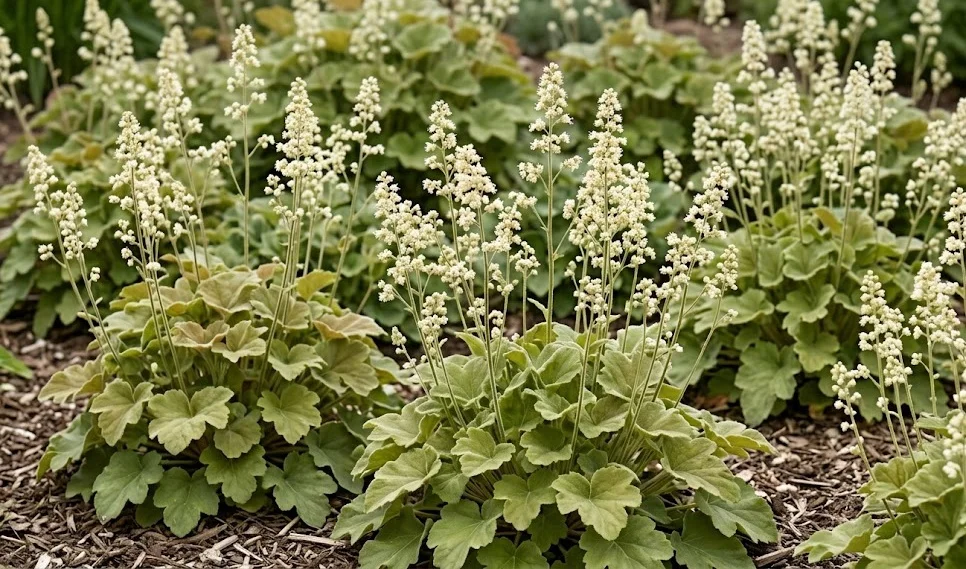
While the delicate flowers of this species are a lovely feature, they can become a bit messy once the blooms have faded and the seeds begin to form. You should practice “deadheading,” which is the removal of spent flower stalks, to keep the plant looking tidy and to prevent it from putting too much energy into seed production. Using your shears, cut the stems back as far down into the foliage as possible to hide the cut ends. This simple task makes a dramatic difference in the overall appearance of the garden during the summer months.
More articles on this topic
Removing the flower stalks also allows the plant to redirect its resources back into its foliage and root system, which is especially important during the heat of summer. You might notice that after deadheading, the leaves take on a more vibrant appearance and the plant seems more resilient to environmental stress. It is a small investment of time that pays off in the form of a stronger and more beautiful perennial. Professional gardeners often do a quick walk-through of their borders once a week to stay on top of this task.
In addition to deadheading, you should also look for any leaves that have become damaged by pests, diseases, or the sun. Removing these “imperfect” leaves helps maintain the professional look of your display and prevents any problems from spreading to the rest of the plant. You can simply snip off the offending leaves at the base of their individual stems whenever you notice them during your routine garden checks. This ongoing tidying keeps the mounds looking like they have just stepped out of a magazine.
If you find that your plants are becoming a bit overgrown or are crowding their neighbors, you can also use pruning to manage their size and shape. Simply remove some of the outer leaves to thin out the mound and give everyone in the border a bit more room to breathe. This “spatial pruning” is a refined skill that helps you maintain the balance and rhythm of your garden design. With regular summer attention, your perennials will remain a highlight of your landscape throughout the entire season.
Tool care and professional techniques
Maintaining your tools is an essential part of the pruning process and a sign of a professional who takes their work seriously. You should clean your shears after every use, especially if you have been working on plants that show any signs of disease. A simple wipe with a bit of alcohol or a mild bleach solution will kill any pathogens and prevent them from being transferred to the next plant. This habit of “tool hygiene” is one of the most effective ways to maintain a healthy garden over the long term.
Keeping your blades sharp is equally important, as it ensures clean cuts that heal quickly and look much better than jagged or crushed ends. You can use a sharpening stone or a professional sharpening service to keep your tools in top condition throughout the year. A sharp tool makes the work more enjoyable and reduces the physical strain on your hands and wrists during a long pruning session. Investing in high-quality tools and taking care of them is a wise decision for any serious gardener.
When making a cut, always try to aim for a slight angle that will shed water away from the center of the plant. This is a small detail, but it helps prevent moisture from sitting on the cut surface and potentially leading to rot or infection. You should also be careful not to tear the tissue as you cut, which can happen if the stems are particularly tough or if your tools are dull. Professional technique is about being deliberate and precise in every action you take in the garden.
Reflecting on your pruning results at the end of the year will help you refine your techniques and improve your garden’s appearance for the future. You might find that some varieties respond better to certain types of cutting back, or that you need to adjust your timing based on the weather. This ongoing learning process is what makes gardening such a rewarding and endlessly fascinating pursuit. Your dedication to the art of pruning will ensure that your perennials remain a beautiful and lasting part of your landscape.