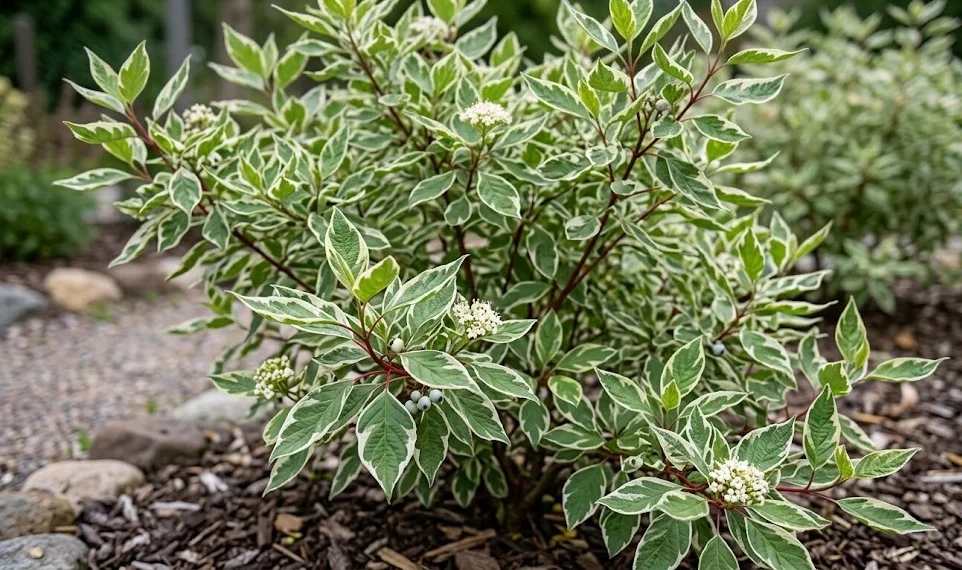

Pruning is the most essential maintenance task for the variegated dogwood, directly influencing its health, shape, and most importantly, the vibrancy of its winter stems. In professional horticulture, this shrub is valued not just for its summer foliage but for the brilliant red bark that provides much-needed color in the dormant landscape. Because the most intense color is found on the youngest growth, a regular pruning schedule is necessary to prevent the plant from becoming a mass of dull, grayish-brown wood. Understanding the timing and techniques of pruning allows the gardener to manipulate the plant’s growth for maximum ornamental impact.
There are two primary professional approaches to pruning this species: selective thinning and complete rejuvenation, also known as coppicing. Selective thinning involves removing a portion of the oldest stems each year, which maintains the plant’s overall size and shape while encouraging some new growth from the base. Rejuvenation pruning is a more drastic method where the entire shrub is cut back to within a few inches of the ground every few years. Both methods have their place in a well-managed garden, and the choice between them depends on the desired aesthetic and the specific needs of the landscape.
Timing is critical when pruning the variegated dogwood to ensure the plant has enough energy to recover and produce a full flush of new growth. The ideal window for heavy pruning is in late winter or very early spring, just before the buds begin to break and the sap starts to flow. Pruning at this time minimizes the stress on the plant and allows it to direct all its spring energy into the development of new, colorful shoots. It also allows the gardener to enjoy the red stems for the entire duration of the winter before they are removed for the next cycle.
Proper tool maintenance and technique are also vital for a professional result, as clean cuts heal faster and are less likely to become entry points for disease. Always use sharp bypass pruners or loppers, and make your cuts just above a healthy bud or at the soil level, depending on the method being used. By following these professional guidelines, you can ensure that your variegated dogwood remains a youthful, vibrant, and healthy feature of the garden year after year. This chapter will detail the specific steps and strategies for mastering the art of pruning this versatile shrub.
Rejuvenation pruning and coppicing techniques
Coppicing is a traditional and highly effective professional technique for managing shrubs like the variegated dogwood that are grown primarily for their winter stem color. This process involves cutting the entire plant back to about two to four inches above the ground every two or three years. While it can be shocking to see the plant reduced to a series of short stumps, the response is usually a vigorous explosion of new, straight stems that can grow several feet in a single season. These new stems will have the most intense red coloration and the largest leaves, creating a stunning display in the following winter.
More articles on this topic
For those who want a more consistent look each year, a variation of this technique is to cut back only one-third of the plant’s stems every year, starting with the oldest and largest ones. This “three-year rotation” ensures that the shrub always has some height and structure while still producing a constant supply of young, colorful wood. This method is often preferred in more formal garden settings where a completely bare spot in the landscape every few years is not desirable. It also allows the plant to maintain a more stable root system and avoids the extreme fluctuations in energy demand associated with full coppicing.
When performing these heavy pruning tasks, it is important to clear away all the removed material and any debris from around the base of the plant. This sanitation step is a hallmark of professional care, as it helps prevent the buildup of fungal spores and provides a clear area for the new shoots to emerge. It is also an excellent time to apply a light layer of compost or a balanced fertilizer to support the rapid regrowth that will follow. The combination of drastic pruning and proper nutrition is the secret to maintaining the long-term vigor and beauty of the variegated dogwood.
Observe the plant’s reaction to your pruning strategy over several years and adjust the frequency as needed based on its vigor. Some plants in ideal conditions may grow so fast that they benefit from annual coppicing, while others in tougher spots may need more time between heavy cuts. The goal is to keep the shrub looking fresh and productive without overtaxing its energy reserves. By mastering these professional rejuvenation techniques, you can ensure that the variegated dogwood remains one of the most striking and reliable performers in your landscape projects.
Structural maintenance and thinning
While the colorful stems are a major focus, maintaining the overall structure and health of the variegated dogwood is also a key part of professional pruning. This involves the removal of any branches that are dead, damaged, or showing signs of disease, which should be done as soon as they are noticed regardless of the time of year. Removing these problematic areas prevents the spread of pathogens and allows the plant to focus its resources on healthy growth. It also improves the “cleanliness” of the winter silhouette, ensuring that the focus remains on the vibrant red bark.
More articles on this topic
Thinning out the center of the shrub is another important professional task, especially for older plants that have not been coppiced recently. By removing some of the interior branches, you increase the amount of light and air that can reach the middle of the plant. This reduces the risk of fungal diseases like powdery mildew and encourages new shoots to develop from the base of the plant rather than just at the tips. A well-thinned shrub has a much more elegant and natural appearance than one that has become a dense, tangled thicket.
When thinning, always look for branches that are crossing or rubbing against each other, as these can create wounds that invite pests and diseases. Choose the weaker or more poorly positioned of the two and remove it entirely back to its point of origin. It is also a good practice to remove any branches that are growing horizontally or toward the center of the plant, as these clutter the structure without adding to the ornamental display. The goal is to create a balanced, open framework that showcases the best features of the shrub.
For variegated varieties, professional thinning can also help maintain the quality of the leaf variegation by ensuring that all parts of the plant receive adequate light. Branches that are heavily shaded in the interior of a dense shrub often produce leaves that are more green and less ornamental. By keeping the canopy open, you ensure that the entire plant displays the bright, white-edged foliage that is its trademark. This attention to structural detail is what distinguishes a professionally managed dogwood from one that is simply left to its own devices.
Timing and tools for expert results
The success of your pruning efforts depends heavily on using the right tools and timing your interventions to match the plant’s natural growth cycle. For the variegated dogwood, late winter—specifically when the coldest weather has passed but before the buds begin to swell—is the “golden window” for pruning. At this point, the plant is still dormant, so the loss of wood does not result in a loss of active energy or sap. This timing also allows you to enjoy the red stems through the darkest months of the year when they are most needed in the garden.
Using the correct, high-quality tools is a non-negotiable part of professional gardening and landscaping. For most pruning on this species, a pair of sharp bypass pruners will handle stems up to about half an inch in diameter with ease. For the larger, older stems at the base of the plant, a pair of bypass loppers or a small folding pruning saw may be necessary to ensure a clean cut without tearing the bark. Making clean, smooth cuts is essential because jagged or crushed wood takes much longer to heal and is a prime entry point for wood-rotting fungi.
Keeping your tools clean and sterilized is another critical professional practice, especially when moving between different plants in the landscape. A quick wipe with a disinfectant like isopropyl alcohol between plants can prevent the accidental spread of diseases such as dogwood anthracnose or various cankers. It is also important to keep your blades sharp; a dull tool requires more force and is much more likely to slip or cause a messy cut. Regular maintenance of your equipment is a sign of a true professional and ensures the best possible outcomes for the plants in your care.
After pruning, it is beneficial to monitor the plant as it breaks dormancy to see how it responds to the cuts you have made. You should see multiple new shoots emerging from the areas just below where you made your heading cuts or from the base of the plant if you performed a thinning or coppicing. If the regrowth is weak or uneven, it may be a sign that the plant needs more water or nutrients to support its recovery. By combining expert timing, high-quality tools, and careful observation, you can master the pruning of the variegated dogwood and keep it a highlight of the garden for years to come.