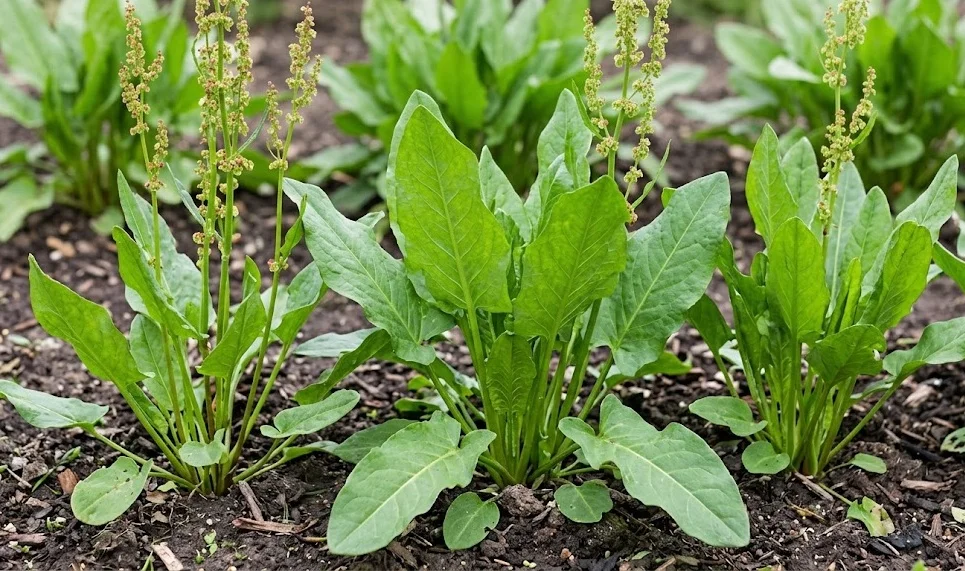

As the temperatures begin to drop and the days shorten, sorrel naturally prepares to enter a period of winter dormancy. During this time, the foliage will die back, and the plant will focus its energy on its robust root system. Professional gardeners should gradually reduce harvesting in the late autumn to allow the plant to store adequate carbohydrates for the spring. Clearing away any remaining large leaves helps prevent them from matting down and rotting over the crown during wet winter weather.
It is important to remove any diseased or pest-damaged foliage before the first hard frost arrives. This simple act of sanitation reduces the number of pathogens that might overwinter in the garden bed. You should also take this opportunity to remove any late-season weeds that could compete with the sorrel when it emerges in the spring. A clean and tidy bed provides the best conditions for the plant to rest and recover during the cold months.
The timing of dormancy can vary depending on the specific variety and the local climate of your region. Some hardier types may stay green well into the early winter, while others will retreat into the ground at the first sign of cold. Observing these natural rhythms helps you understand the specific needs of your plants. Preparing for dormancy is a proactive step that ensures the longevity and health of your perennial herb plantation.
Avoid the temptation to apply heavy fertilizers in the late autumn, as this can stimulate new growth that is too tender to survive the winter. The plant needs to transition slowly into its resting state without being forced into unnecessary activity. Ensuring that the soil is moist but not waterlogged as the ground freezes is also beneficial for the health of the roots. This thoughtful preparation sets the stage for a vigorous return of life once the spring sun warms the earth.
Mulching for winter protection
In regions with severe winters or frequent freeze-thaw cycles, applying a protective layer of mulch is highly recommended. Mulch acts as an insulating blanket, helping to regulate soil temperatures and preventing the crown from being heaved out of the ground by ice. Organic materials such as straw, shredded leaves, or evergreen boughs are excellent choices for this purpose. A layer of three to four inches is usually sufficient to provide the necessary protection for the dormant roots.
More articles on this topic
The mulch should be applied after the ground has frozen but before the most extreme cold temperatures occur. This timing ensures that the soil remains consistently cold and prevents the plant from being “tricked” into sprouting during a brief winter thaw. It is important to keep the mulch relatively loose to allow for some airflow around the base of the plant. Avoid using heavy, matted materials that can trap excessive moisture and lead to crown rot in the spring.
In addition to temperature regulation, mulch also helps to suppress early spring weeds that might germinate before you are ready to work in the garden. As the organic material breaks down over time, it also contributes valuable organic matter to the soil structure. This multi-purpose tool is a staple of professional perennial care and is especially important for young or recently transplanted sorrel. Investing a little time in mulching now will save a great deal of effort and potential loss later.
If you are growing sorrel in containers, they may need additional protection as the roots are more exposed to the cold than those in the ground. You can wrap the pots in burlap or bubble wrap, or move them to a sheltered location like an unheated garage or shed. Ensure that the soil in the containers does not dry out completely, though they will need much less water than during the growing season. Protecting container-grown herbs requires a slightly different approach but is just as important for their survival.
Managing moisture during winter
While the visible parts of the sorrel plant are dormant, the roots remain alive and still require a small amount of moisture to survive. In many regions, natural precipitation in the form of rain or snow is sufficient to keep the soil at the appropriate moisture level. However, during particularly dry winters or in areas with very sandy soil, you may need to provide occasional supplemental watering. The goal is to prevent the roots from becoming completely desiccated, which can lead to the death of the plant.
More articles on this topic
Professional growers monitor the soil moisture even during the winter months, especially if there has been no significant precipitation for several weeks. Only water when the ground is not frozen, as the water must be able to penetrate the soil to reach the root zone. A light watering during a warm spell can be very beneficial for the long-term health of the perennial. Always check the moisture levels beneath the mulch layer, as the surface can often be misleadingly dry or wet.
Poor drainage is the biggest threat to sorrel during the winter, as cold, wet soil is a perfect environment for root rot. If your garden is prone to standing water, you should take steps to improve the drainage before the winter season begins. Raised beds are an excellent solution for managing moisture levels in heavy clay soils or low-lying areas. Ensuring that excess water can easily flow away from the crown of the plant is a fundamental aspect of winter care.
Snow can actually be a very effective natural insulator, protecting the ground from extreme temperature fluctuations and providing moisture as it melts. Professional gardeners often welcome a steady snow cover as it simplifies the process of overwintering many perennial crops. If you need to clear paths, avoid piling large amounts of heavy, packed snow directly onto your herb beds. Understanding the relationship between moisture, temperature, and dormancy is a key skill for any successful grower.
Spring awakening and cleanup
As the days begin to lengthen and the soil temperatures rise, you will notice the first signs of new growth emerging from the crown. This is the signal to begin your spring cleanup by carefully removing the winter mulch and any dead foliage from the previous year. You should do this gradually to avoid exposing the tender new shoots to late-season frosts or intense sunlight too suddenly. A gentle approach allows the plant to acclimate to the changing conditions of the new growing season.
Cleaning up the bed early in the spring helps to prevent pests and diseases from becoming established as the weather warms. It also allows you to inspect the health of each plant and identify any that may have been lost over the winter. If you notice any crowns that have been heaved out of the ground by frost, gently press them back into the soil and firm the earth around them. This is also the ideal time to apply a light top-dressing of compost to provide a nutrient boost for the coming weeks.
If the spring is particularly dry, you should begin a regular irrigation schedule to support the rapid development of new leaves. The plant has a high demand for water during this initial growth phase as it builds its new canopy. You may also want to provide some protection if a sudden late frost is predicted after the new shoots have emerged. Using a light row cover or cloche can prevent damage to the tender foliage and ensure an early harvest.
Recording the date of the first emergence and the general health of the plants after winter provides valuable information for your garden records. Some varieties may be more resilient to cold or may start growing earlier than others, which is useful to know for future planning. This transition from dormancy back to active growth is an exciting time for any gardener and marks the beginning of another productive cycle. Professionalism in the spring is about careful observation and timely intervention to set the stage for success.