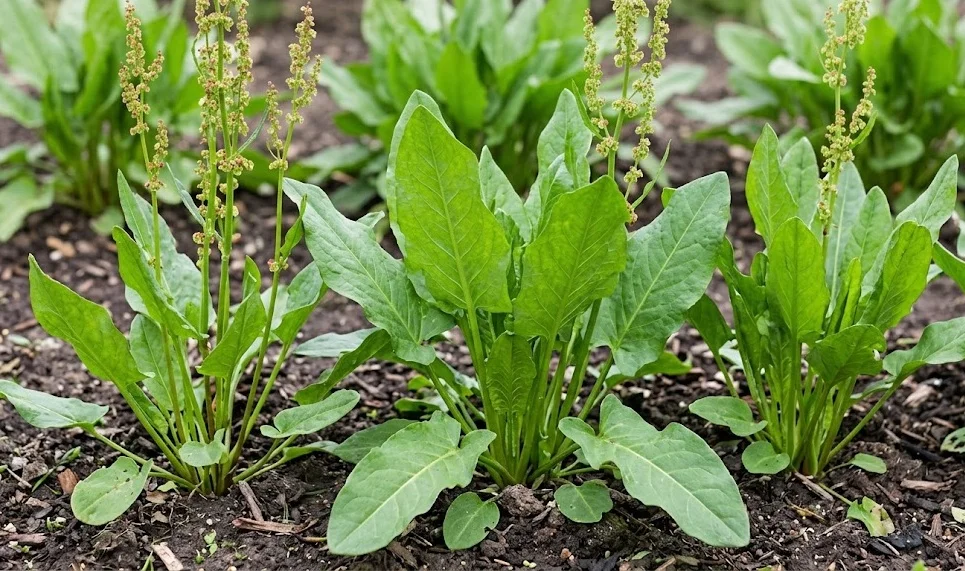

Pruning sorrel is most commonly done through the act of harvesting the leaves for culinary use throughout the growing season. This practice not only provides a delicious crop but also encourages the plant to continue producing fresh, tender foliage. A professional approach involves using sharp shears or a knife to cut the outer leaves about an inch above the crown. This method protects the delicate growing point in the center of the clump, allowing for rapid regeneration of new growth.
Regular harvesting prevents the leaves from becoming too large, tough, and overly acidic, which can happen if they are left on the plant too long. By removing the older foliage, you also improve the airflow within the center of the plant, which is critical for preventing fungal diseases. You should aim to harvest from several different plants in rotation to avoid placing too much stress on any single specimen. Consistency is the key to maintaining a productive and healthy sorrel bed over many months.
It is important to avoid over-harvesting, which can weaken the plant and reduce its ability to recover during the hotter months. A good rule of thumb is to never remove more than one-third of the total leaf area at any one time. This ensures that the plant still has enough surface area to carry out photosynthesis and provide energy for future growth. Following this balanced approach will result in a more sustainable and long-lived perennial crop for your garden or farm.
Always inspect the leaves as you prune them, looking for any signs of pest damage or disease that might require further attention. If you find any damaged leaves that you do not intend to use, they should still be removed to maintain the cleanliness of the plant. This “grooming” process is an essential part of professional maintenance and helps keep the plantation looking its best. Proper pruning and harvesting techniques are fundamental skills for anyone serious about growing high-quality herbs.
Managing the bolting process
In the early summer, sorrel plants will naturally begin to produce tall flower stalks, a process known as bolting. For the gardener primarily interested in leaf production, these stalks should be pruned off as soon as they are identified. Flowering takes a significant amount of energy away from the development of foliage and can cause the existing leaves to become much more bitter. By cutting these stalks back to the base, you encourage the plant to redirect its resources toward producing more edible greens.
More articles on this topic
Professional growers monitor their plants daily during the bolting season to catch the flower stalks before they have a chance to fully develop. If the plant is allowed to go to seed, it may stop producing new leaves altogether for the remainder of the season. Pruning the stalks is a simple but vital task that significantly extends the useful life of the crop each year. In some cases, you may need to cut back the stalks several times as the plant persists in its attempt to reproduce.
If you wish to save your own seeds, you can choose to leave a few of the strongest and healthiest plants to flower and set seed. These plants should be clearly marked and excluded from the regular leaf harvest to ensure they have the energy to produce high-quality seeds. Once the seeds are mature and dry, the entire stalk can be cut down and the seeds collected for future planting. This selective pruning allows you to manage both leaf production and seed collection within the same garden area.
Once the bolting season has passed and the flower stalks have been removed, the plant will often settle back into a period of leaf production. Providing a little extra water and a light application of compost after this heavy pruning can help the plant recover more quickly. This management of the plant’s reproductive cycle is one of the most important aspects of professional sorrel care. Understanding the physiology of the plant allows you to manipulate its growth for the best possible results.
End of season cut back
At the end of the autumn, once the first few frosts have arrived, the foliage of the sorrel will begin to die back and turn brown. This is the signal for the final major pruning of the year, where the remaining leaves are cut back to within a couple of inches of the soil. This end-of-season cut back serves several important purposes for the health and longevity of the perennial herb. It clears away old, potentially diseased material and prevents it from rotting over the crown during the winter months.
More articles on this topic
A professional cleanup also makes it much easier to apply a protective layer of mulch for the winter, as the ground is clear and accessible. Removing the old foliage also eliminates hiding places for pests like slugs and snails that might otherwise overwinter in the garden bed. This thorough pruning should be done with clean, sharp tools to ensure that the cuts are neat and do not damage the dormant crown. It is a satisfying task that marks the successful conclusion of the growing season.
If you live in a very mild climate where the sorrel stays partially green through the winter, you may choose a more conservative approach to cutting back. In these areas, you can simply remove the oldest and most damaged leaves while leaving some green growth to protect the crown. However, even in mild regions, a significant pruning in the late winter can help refresh the plant and prepare it for the spring. Every gardener must adapt their pruning techniques to the specific requirements of their local environment.
Following the final cut back, take a moment to evaluate the overall performance of each plant and make notes for the following year. This is also a good time to check the integrity of your labels and ensure that everything is well-prepared for the dormant period. A professional approach to pruning is consistent, purposeful, and focused on the long-term health of the crop. With the beds clean and the plants cut back, you can rest assured that your sorrel is ready for its winter rest.