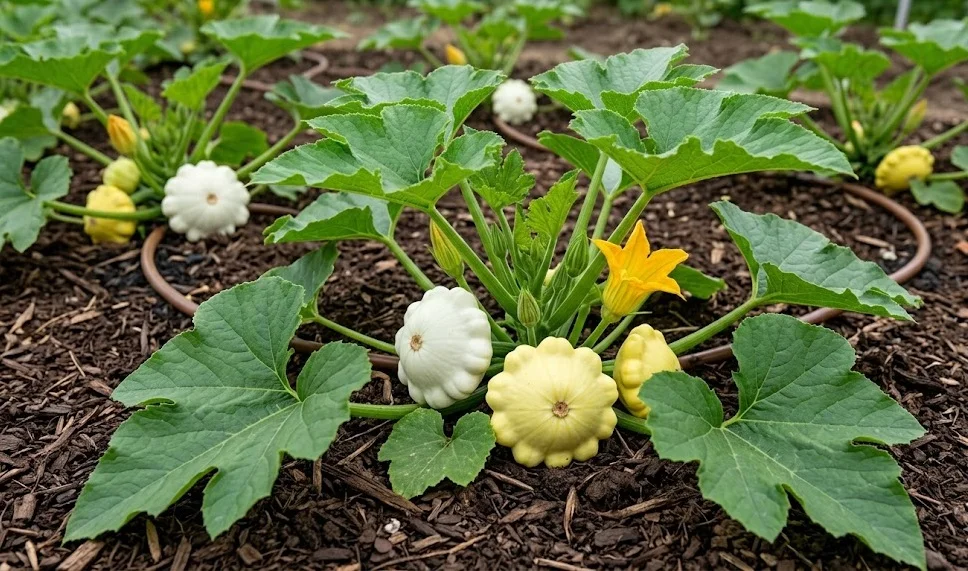

The management of pattypan squash during the transition into winter is a task that focuses on preservation and preparation for the following year. Since these plants are annuals that cannot survive a hard frost, you must focus your efforts on protecting the remaining fruit and cleaning up the growing site. Professional gardeners understand that the work done in late autumn is the foundation for a successful and healthy garden in the coming spring. Taking a systematic approach to the end of the season ensures that no resources are wasted and the soil remains fertile.
The final harvest should take place immediately before the first significant frost is expected in your local area. You should pick all the remaining squash, even the very small ones, as they will quickly rot if left on the frozen vines. Inspect each fruit carefully for signs of damage or disease before bringing them indoors for short-term storage. Any squash that are not perfect should be used right away, while the best specimens can be kept in a cool, dark place for a week or two.
Once the harvest is complete, the physical task of removing the spent plants is the next professional priority. You should pull up the entire root system to ensure that no part of the plant remains in the ground to harbor pests or diseases over the winter. If the plants were healthy throughout the season, they can be chopped up and added to your compost pile to create rich fertilizer for the future. However, if there was any sign of mildew or viral infection, the material should be removed from the site and destroyed.
Cleaning the garden beds after the squash have been removed is a vital step for maintaining the long-term health of your soil. You should rake the area to remove any fallen leaves or debris that could provide a winter home for unwanted insects. This is also an excellent time to add a final layer of compost or aged manure to the soil surface. The winter weather will help break down these organic materials, making the nutrients available for the next crop you plant in the spring.
Seed saving and genetic preservation
If you have grown an open-pollinated variety of pattypan squash, saving the seeds is a professional way to preserve the genetics of your favorite plants. You should select a fully mature fruit that has a hard, tough skin and has been allowed to stay on the vine as long as possible. Cut the squash open carefully and scoop out the seeds into a large bowl of water. Healthy, viable seeds will usually sink to the bottom, while the pulp and empty seeds will float to the top.
More articles on this topic
Rinse the seeds thoroughly in a fine mesh sieve to remove any remaining sticky residue from the fruit. You should then spread them out in a single layer on a screen or a piece of parchment paper to dry in a cool, ventilated area. Avoid using paper towels, as the seeds will often stick to the fibers and become difficult to remove later. The drying process can take several days to a week, depending on the humidity and temperature of your workspace.
Once the seeds are completely dry and snap easily when bent, they are ready for long-term storage over the winter months. You should place them in a paper envelope or a glass jar labeled with the variety name and the date of harvest. Store the seeds in a cool, dark, and dry location, such as a pantry or a dedicated seed refrigerator. Professional growers often add a small packet of silica gel to the container to absorb any traces of moisture that could lead to mold.
Saving your own seeds allows you to adapt a specific variety to the unique conditions of your own garden over several generations. You will notice that the plants grown from your own seeds often perform better and are more resistant to local pests than those from a commercial source. This cycle of selection and preservation is a fundamental part of traditional agriculture and provides a deep sense of connection to the land. It is a professional practice that saves money and ensures the future of your garden’s productivity.
Soil protection and cover cropping
Protecting the bare soil during the winter is a key strategy for preventing erosion and maintaining the tilth of your garden beds. You should never leave the ground exposed to the elements, as heavy winter rains and wind can wash away the valuable topsoil. Planting a winter cover crop, such as cereal rye or winter wheat, is a professional technique that keeps the earth covered and secure. These plants also help to capture and store nutrients that might otherwise leach out of the root zone during the dormant season.
More articles on this topic
If you choose not to use a living cover crop, you should apply a thick layer of organic mulch to the empty squash beds. Straw, shredded leaves, or even several layers of cardboard can provide an effective barrier against the winter weather. This layer acts as an insulator, keeping the soil temperatures more stable and protecting the beneficial organisms that live underground. As the mulch slowly decomposes, it continues to feed the soil and improve its structure for the following year.
Winter is also the perfect time to perform a final soil analysis if you have not done so during the growing season. You can take samples from different parts of your squash patch and send them to a professional lab for a detailed report. Having this information during the winter months allows you to plan your spring fertilization strategy with precision. You can research the specific amendments you need and have them ready to apply as soon as the ground thaws in the spring.
Managing the moisture levels in your garden beds during the winter is also something to consider if you live in a very wet or very dry region. In areas with high winter rainfall, you might want to create raised beds or improve the drainage to prevent the soil from becoming anaerobic. In arid climates, a layer of mulch is even more important to prevent the ground from drying out completely and killing the soil biology. Professional growers always think ahead and prepare their land to handle whatever the winter might bring.
Planning and preparation for the next season
The quiet winter months are the ideal time for professional gardeners to reflect on the past season and plan for the future. You should review your garden records to see which varieties of pattypan squash performed the best and which areas had the most trouble with pests. This analysis helps you make informed decisions when it comes to ordering new seeds and planning your crop rotation for the spring. Taking the time to visualize your future garden layout is a productive way to spend the colder days of the year.
This is also the best time to clean and maintain your professional gardening tools so they are ready for action in the spring. You should sharpen your hoes and pruners, oil any wooden handles, and check your irrigation lines for leaks or clages. Properly maintained tools are safer to use and make your work in the garden much more efficient and enjoyable. If you need to invest in new equipment, the winter is often a good time to find professional-grade tools at a discount.
If you are planning to expand your squash production, you can use the winter to build new raised beds or install a permanent irrigation system. Completing these structural projects now means you won’t be rushing to finish them when the planting season arrives in the spring. You can also research new techniques, such as vertical gardening or intensive spacing, to see if they would be a good fit for your site. Continuous learning is a hallmark of a professional approach to agriculture and horticulture.
Finally, you should take a moment to appreciate the natural cycle of the seasons and the rest that the winter provides for both the gardener and the land. The dormant period is a necessary part of the ecosystem that allows the soil to rejuvenate and prepare for the energy-intensive growth of the summer. By working in harmony with these natural rhythms, you ensure that your garden remains a healthy and productive environment for many years to come. Professional wintering is about more than just cleanup; it is about honoring the future potential of your garden.