
While the term “pruning” is more commonly associated with woody shrubs and trees, the practice of cutting back and selective harvesting is a vital part of spinach management. This process involves the strategic removal of leaves and stems to encourage new growth, prevent disease, and delay the natural aging process of the plant. By understanding the growth habit of spinach, a gardener can use cutting techniques to significantly extend the harvest window and maintain the highest possible quality of greens. It is a hands-on approach that turns a simple crop into a highly productive and renewable resource.
Leaf harvesting and renewal strategies
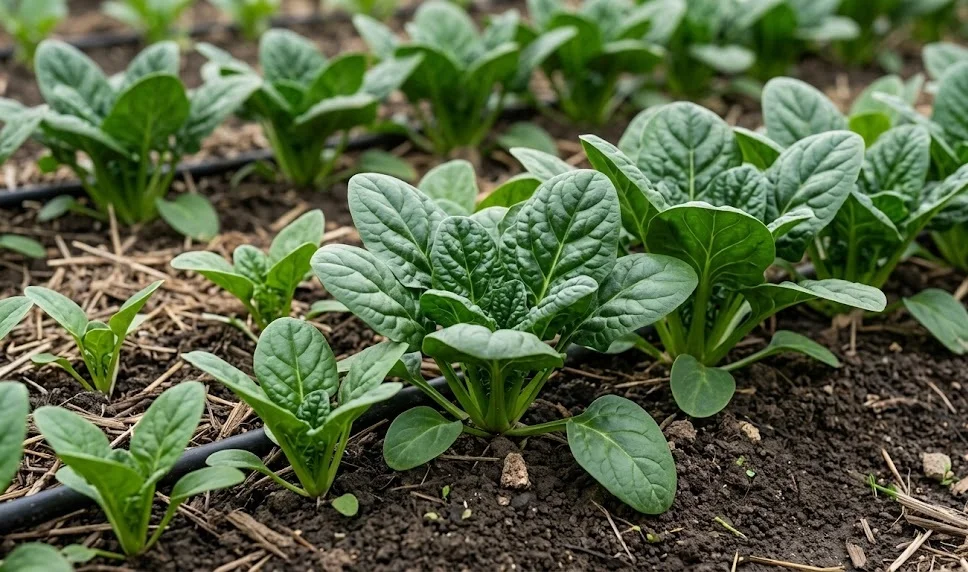
The “cut-and-come-again” method is the most popular form of pruning for spinach, allowing for multiple harvests from a single plant. By harvesting only the outer, fully expanded leaves, you leave the central growing point, or crown, intact to continue producing new foliage. This technique mimics the natural grazing patterns that some plants have evolved to survive, stimulating the plant to put more energy into vegetative growth. Regular cutting prevents the older leaves from becoming tough, bitter, or susceptible to pests.
When performing this type of selective pruning, it is important to use clean, sharp tools to make precise cuts. Tearing the leaves by hand can cause ragged edges that take longer to heal and provide an entry point for pathogens. A sharp pair of garden snips or a small harvest knife is ideal for this task, allowing you to work quickly and cleanly. Aim to cut the stems about two centimeters above the crown to avoid damaging the delicate new leaves emerging from the center.
The frequency of cutting depends on the growth rate of the spinach and the prevailing weather conditions. During the peak of spring growth, you may be able to harvest from the same plant every five to seven days. It is a good rule of thumb to never remove more than one-third of the plant’s total leaf area at a single time. This ensures that the plant still has enough photosynthetic capacity to recover quickly and continue its development.
By keeping the spinach “pruned” in this way, you also improve the air circulation around the base of the plant. Removing the large, low-hanging leaves reduces the humidity levels near the soil surface, which is a major factor in preventing fungal diseases. It also makes it easier to inspect the crown of the plant for any early signs of pests or nutritional issues. Regular harvesting is not just about getting food; it is a fundamental part of maintaining a healthy and resilient garden.
More articles on this topic
Removing damaged and diseased foliage
The proactive removal of yellowed, damaged, or diseased leaves is a form of sanitary pruning that is essential for long-term success. As spinach leaves age, they naturally lose their vigor and become more attractive to opportunistic pests like aphids and slugs. By removing these older leaves before they decline completely, you keep the plant’s energy focused on its most productive parts. This “grooming” process keeps the garden looking professional and minimizes the potential for problems to spread.
Leaves that show signs of fungal infection, such as leaf spots or downy mildew, should be removed immediately and disposed of away from the garden. Do not leave diseased foliage on the ground, as the spores can remain active and reinfect the healthy parts of the plant or move to new crops. Cutting back these infected areas can sometimes save a plant if the disease is caught early enough. It is a simple mechanical control that reduces the need for chemical fungicides.
Physical damage from wind, heavy rain, or hail can also leave spinach leaves torn and vulnerable. These damaged tissues are often the first place where rot begins, especially in damp conditions. Trimming away these “unclean” sections allows the plant to seal the wound and prevents the decay from spreading to the rest of the rosette. A quick walk-through of the garden after a storm to perform this maintenance can save a lot of trouble later in the season.
In addition to health benefits, keeping the plants trimmed of damaged foliage makes the eventual harvest much more efficient. You won’t have to spend as much time sorting through the “good” and “bad” leaves in the kitchen if the cleaning was done in the field. This habit of continuous maintenance ensures that everything you bring into the house is of the highest quality. It reflects a professional commitment to excellence in every stage of the gardening process.
More articles on this topic
Dealing with bolting and flower stalks
When spinach begins to bolt, it produces a central stalk that elongates rapidly and begins to form small, inconspicuous flowers. While this process is irreversible, you can sometimes “buy” a little more time by cutting back these flower stalks as soon as they appear. By removing the reproductive parts, you force the plant to temporarily divert its energy back into the leaves. This is only a short-term solution, but it can provide an extra week or two of harvesting if a replacement crop is not yet ready.
The quality of the leaves usually declines once the plant has made the physiological decision to bolt. They often become smaller, more leathery, and develop a noticeably more bitter or “metallic” flavor due to the accumulation of certain compounds. If the cutting back of the stalks does not improve the flavor, it is time to accept that the plant’s cycle is complete. At this stage, pruning becomes a matter of clearing the space for the next rotation.
If you are growing heirloom or open-pollinated varieties, you might choose to let some plants bolt and go to seed. In this case, you would stop pruning and allow the plant to complete its natural life cycle. The stalks can become quite tall and may require some support to keep them from flopping over onto other plants. Once the seeds are dry and brown on the stalk, they can be harvested for planting in the next season.
Ultimately, the best way to deal with bolting is through prevention and variety selection rather than late-stage pruning. However, being able to recognize and react to the first signs of the flower stalk is a valuable skill for any spinach grower. Understanding when a plant has reached its limit allows you to make informed decisions about your garden’s layout and timing. It is the final step in the cycle of management that ensures a productive and efficient gardening experience.