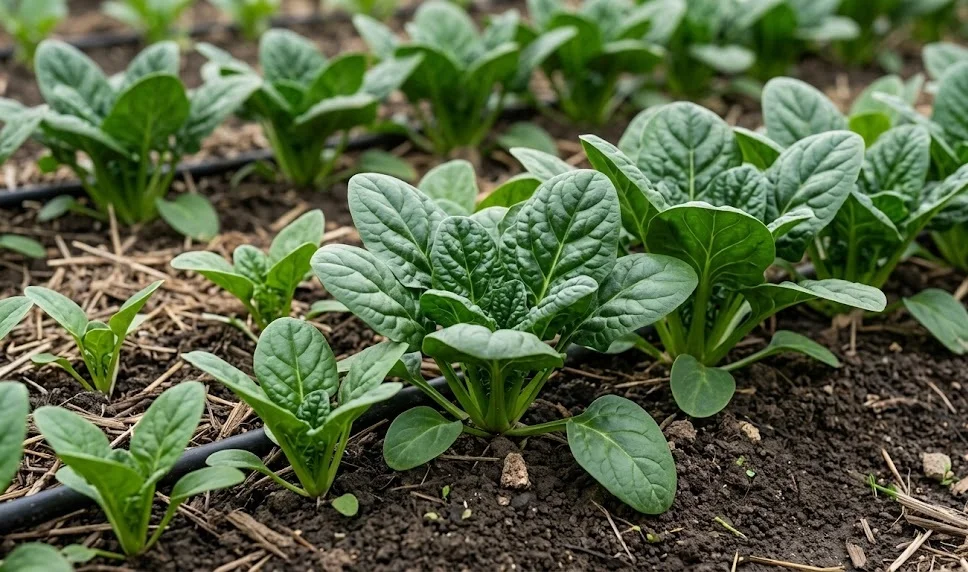

Optimizing the light environment for spinach is a sophisticated task that involves balancing the plant’s need for energy with its natural sensitivity to day length. As a photoperiod-sensitive crop, spinach uses the duration of daylight to determine when to shift from leaf production to flowering. Understanding how to manage light exposure throughout the seasons is essential for any grower who wants to maximize the vegetative phase and produce high yields. By carefully selecting planting sites and using modern techniques, you can control the plant’s growth cycle to your advantage.
Balancing sun and shade
In the cooler temperatures of early spring and late autumn, spinach performs best in a location that receives full sun. Direct sunlight provides the energy necessary for the rapid growth and development of thick, nutrient-dense leaves. During these periods, at least six to eight hours of direct light is recommended to ensure the plants do not become leggy or weak. A south-facing slope or an open garden bed is the ideal setting for these primary growing seasons.
As the season progresses and temperatures begin to rise, the intensity of the sun can become a liability rather than an asset. High light intensity combined with heat is a primary trigger for bolting, which ends the useful life of the spinach plant. In these conditions, providing some afternoon shade can help keep the plants cooler and extend the harvest period. Using taller companion plants or installing shade cloth are effective ways to modulate the light the spinach receives.
Partial shade can also be beneficial in regions with particularly intense sunlight or during unseasonably warm spells. Spinach grown in slightly shadier conditions often has thinner, more tender leaves compared to those grown in full sun. While the overall growth rate might be slightly slower, the quality of the foliage can often be superior for fresh salads. Professional growers often experiment with different light levels to find the perfect balance for their specific market and culinary needs.
The quality of light is just as important as the quantity when it comes to the physiological development of the plant. Diffused light, such as that found on a slightly overcast day, is actually very efficient for spinach as it reaches the lower leaves more effectively. In contrast, very harsh, direct light can sometimes lead to localized heat stress on the leaf surface. Managing these nuances through site selection and temporary shading ensures the crop remains stress-free and productive.
More articles on this topic
Photoperiodism and the bolting response
Spinach is a “long-day” plant, meaning it is naturally programmed to flower when the day length exceeds a certain threshold, usually around fourteen hours. This evolutionary trait ensures that the plant produces seeds during the height of summer when conditions are most favorable for seed maturation. For the gardener, however, this bolting response is the enemy of leaf production and must be managed carefully. Knowing the critical day length for your chosen variety is a key part of professional planning.
Modern plant breeding has produced “slow-bolt” or “long-standing” varieties that are less sensitive to increasing day length. These cultivars are essential for late spring plantings where the days are rapidly getting longer as the plants mature. By selecting these specialized seeds, you can push the harvest further into the early summer months. However, even the best varieties will eventually succumb to the biological urge to flower if the light and heat continue to increase.
Artificial light management can be used in greenhouse settings to “trick” the plants into remaining in a vegetative state. By keeping the light cycles below the critical threshold, growers can produce spinach out of season without the risk of premature flowering. This requires precise control over the environment and a deep understanding of the specific requirements of the cultivar being grown. In the open garden, this level of control is impossible, so variety selection and timing remain the primary tools.
The transition from vegetative growth to flowering is often preceded by a change in leaf shape, with newer leaves becoming more pointed or arrow-like. Once this change is observed, it is a sign that the light conditions have triggered the bolting process. At this stage, the plant’s energy is redirected toward the central stalk, and the leaves may begin to lose their flavor. Monitoring these subtle visual cues allows the gardener to harvest the remaining crop at its peak before the quality declines.
More articles on this topic
Managing light in controlled environments
In greenhouse production, managing light levels involves a combination of structural design and supplemental technology. During the short days of winter, supplemental LED or high-pressure sodium lights can be used to ensure the plants receive enough energy to grow. These lights must be carefully timed to avoid accidentally triggering the long-day bolting response mentioned previously. The goal is to provide enough intensity for growth without exceeding the day length limit.
Shade systems are equally important in greenhouses to prevent excessive light and heat buildup during the brighter months. Automated shade curtains can be programmed to deploy when light intensity reaches a certain level, protecting the delicate spinach foliage. This automation ensures that the plants are always in an optimal light environment, even when the gardener is not present to make manual adjustments. Consistent light management is one of the biggest advantages of growing in a controlled environment.
Reflective mulches or white-painted surfaces can be used to increase the amount of light reaching the lower canopy of the spinach plants. This technique is particularly useful in the winter or in areas with persistent cloud cover, where every bit of available light counts. By bouncing light back up into the leaves, you can improve the uniformity of growth across the entire bed. It is a simple but effective way to optimize the natural resources available to the garden.
The placement of rows and the density of planting also affect how light is distributed within the crop. Rows should ideally run north to south to ensure that both sides of the plants receive equal amounts of sunlight throughout the day. If plants are too crowded, the lower leaves will be shaded out, leading to yellowing and a reduction in total yield. Proper spacing ensures that every leaf has access to the light it needs to contribute to the plant’s overall health and productivity.