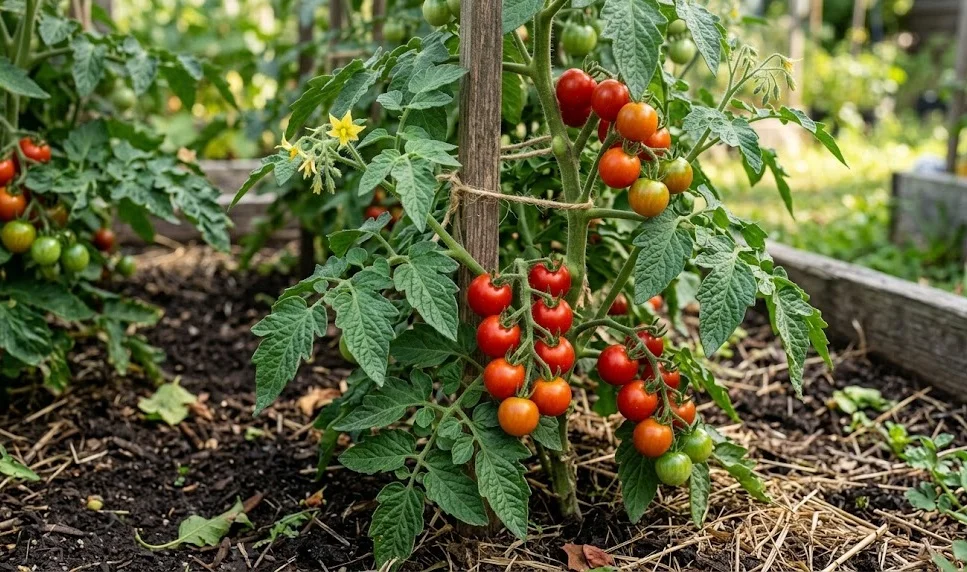

Managing the balance of water and nutrients is perhaps the most critical task for any gardener who wishes to produce premium-quality tomatoes throughout the season. You must provide a consistent environment where the plant never feels the stress of extreme thirst or the burden of over-saturation. Tomatoes are heavy feeders that require a specific sequence of minerals to transition from green growth to the heavy production of flavorful fruits. By understanding the vascular system of these plants, you can deliver exactly what they need at the precise moment they need it.
Watering is not just about keeping the soil wet; it is about delivering the lifeblood of the plant in a way that encourages deep and resilient root systems. You should always aim to water deeply and less frequently, rather than giving the plants a shallow sprinkle every day, to draw the roots downward. Early morning is the professional’s choice for irrigation, as it allows the foliage to dry quickly and provides the plant with moisture before the heat of the midday sun arrives. This routine keeps the plant’s internal pressure stable and prevents the physiological stresses that lead to fruit cracking or blossom end rot.
The consistency of your watering schedule is often more important than the actual amount of water you provide to the garden beds during the week. Fluctuations in soil moisture cause the fruit to expand and contract rapidly, which often results in the skin splitting or cracking near the stem. You should use your finger or a moisture meter to check the soil several centimeters down to ensure the root zone is actually receiving the hydration it needs. If you notice the plants wilting slightly in the late afternoon heat, it may be a sign that you need to increase the volume of your morning watering sessions.
Automated irrigation systems, such as drip lines or soaker hoses, are highly recommended for professional-level tomato cultivation because they deliver water directly to the soil. This keeps the leaves dry, which is essential for preventing the spread of fungal spores and other pathogens that thrive in damp, stagnant air. Drip systems also allow for precise control over the amount of water each plant receives, minimizing waste and ensuring that no area of the garden is overlooked. Investing in a simple timer for your irrigation system can take the guesswork out of maintenance and lead to a much more successful harvest.
Understanding essential macronutrients
Tomatoes require a balanced diet of nitrogen, phosphorus, and potassium, commonly referred to as N-P-K, to reach their full potential in your garden. Nitrogen is the primary driver of leafy green growth and should be emphasized in the early stages after transplanting to build a strong canopy. However, you must be careful not to over-fertilize with nitrogen once the plant starts flowering, as this can lead to massive plants with very little actual fruit. Shifting the balance towards phosphorus and potassium as the season progresses is the professional way to encourage flower development and fruit quality.
More articles on this topic
Phosphorus plays a vital role in root development and the energy transfer within the plant, which is especially important during the blooming phase. You will find that healthy phosphorus levels lead to more blossoms and a higher rate of successful pollination across all your tomato varieties. Potassium, on the other hand, is the key to fruit flavor, color, and overall disease resistance as the tomatoes begin to ripen on the vine. This mineral helps regulate water movement within the plant tissues and ensures that the sugars are properly concentrated in the developing fruit for the best possible taste.
Organic fertilizers, such as well-rotted manure, compost tea, or fish emulsion, provide a slow-release source of these essential nutrients while also improving soil structure. You should consider top-dressing your plants with a layer of high-quality compost every few weeks to maintain a steady supply of energy for the heavy-feeding vines. This approach feeds the soil biology as well as the plants, creating a sustainable environment where beneficial microbes can help make nutrients more available. Choosing organic options also reduces the risk of chemical runoff and ensures that your homegrown produce is as healthy as possible for your family.
Commercial synthetic fertilizers can be useful for providing a quick boost if you notice a specific deficiency that needs immediate attention during the peak growing months. You should always follow the application instructions carefully, as concentrated salts in these products can burn the sensitive roots if applied too heavily or in dry conditions. Many professional growers prefer a “low and slow” approach, using diluted liquid fertilizers more frequently rather than one large application of granules. This consistent delivery of nutrients prevents the growth surges and subsequent crashes that can stress the plants and reduce the total yield of the crop.
The role of micronutrients and supplements
While N-P-K are the most famous nutrients, tomatoes also require a range of micronutrients like calcium, magnesium, and sulfur to remain truly healthy. Calcium is particularly important for preventing blossom end rot, a common issue where the bottom of the tomato turns black and leathery due to a localized deficiency. You must remember that calcium uptake is directly tied to water movement, so even if the soil is rich in calcium, inconsistent watering can still cause this problem. Adding crushed eggshells or garden lime to the soil at planting time is a traditional way to ensure a steady supply of this vital mineral.
More articles on this topic
Magnesium is the central atom in the chlorophyll molecule, making it absolutely essential for the photosynthesis process that powers the plant’s growth. If you notice yellowing between the veins of the older leaves, it may be a sign that your tomatoes are struggling to find enough magnesium in the soil. A simple spray of diluted Epsom salts can provide a quick boost of magnesium and sulfur, often resulting in darker green foliage within just a few days. Professional gardeners often use this technique as a preventative measure during periods of rapid growth when the plant’s demand for minerals is at its highest.
Trace elements like boron, zinc, and iron are needed in very small amounts, but their absence can cause strange growth patterns and reduced fruit set in your garden. Using a high-quality kelp or seaweed extract is an excellent way to provide a broad spectrum of these micronutrients in an easily absorbable form. These natural supplements also contain growth hormones that help the plants cope with environmental stresses like heat waves or dry spells. Incorporating these “extra” elements into your fertilization routine is what takes your tomato crop from being merely good to truly exceptional in terms of quality.
Maintaining the correct soil pH is also a crucial factor because it determines how easily the plants can actually access the nutrients you are providing to them. If the soil is too alkaline or too acidic, many minerals become “locked” in the earth and remain unavailable to the roots regardless of how much you fertilize. You should aim for a slightly acidic pH of around 6.2 to 6.8 for the best results with almost all tomato varieties in most garden settings. Regularly testing the pH and making small adjustments with sulfur or lime will ensure that your fertilization efforts are not being wasted by chemical imbalances in the ground.
Timing and application cycles
The nutritional needs of a tomato plant change significantly as it moves from a young seedling to a mature vine laden with heavy fruit. You should start with a light application of a balanced fertilizer at planting time to help the roots establish themselves in their new permanent home. Once the plant reaches about thirty centimeters in height and shows vigorous green growth, you can begin a regular feeding schedule every two to three weeks. This early support builds the structural frame that will eventually need to hold up kilograms of ripening tomatoes during the peak of the summer.
As the first flower clusters begin to open, you should transition your fertilization strategy to focus more on fruit production and less on leaf development. This is the time to reduce nitrogen slightly and increase the levels of phosphorus and potassium in your liquid or granular applications. You will notice that this change in diet helps the plant focus its energy on seting fruit rather than just making more green branches that will eventually need to be pruned. Professional growers watch their plants closely for this transition, as the timing of this shift can greatly impact the overall yield of the season.
During the peak harvest months, the demand for nutrients is at its absolute highest as the plant works to ripen multiple clusters of fruit simultaneously. You should continue to provide supplemental feedings, but be careful not to over-stimulate the plant as the season begins to wind down in the late summer. If you live in a climate with a long growing season, you may need to provide a mid-season “booster” of compost to keep the soil biology active and productive. Keeping the nutrient levels steady during this intense period prevents the plant from “burning out” before the full potential of the harvest is realized.
Foliar feeding, which involves spraying a diluted nutrient solution directly onto the leaves, is an advanced professional technique for delivering a quick dose of energy. The leaves can absorb minerals through their stomata much faster than the roots can pull them up from the soil in some situations. This is particularly effective for delivering micronutrients or helping a plant recover from a period of heavy rain that may have leached minerals from the root zone. You should always perform foliar feeding in the early morning or evening to prevent the sun from burning the wet leaves and to ensure maximum absorption.
Avoiding common fertilization mistakes
One of the most frequent errors made by enthusiastic gardeners is the over-application of fertilizer, which can cause more harm than good to your tomato crop. Excessive nutrients can lead to “fertilizer burn,” where the edges of the leaves turn brown and the roots become damaged by high salt concentrations. You should always err on the side of caution and use slightly less than the recommended dose, especially when working with concentrated synthetic products in hot weather. It is much easier to add more nutrients later than it is to remove them once they have already saturated the soil and affected the plant’s health.
Applying fertilizer to dry soil is another mistake that can lead to root damage and poor nutrient uptake in your vegetable garden. You should always water your plants thoroughly before and after applying any granular or liquid feeds to ensure the minerals are properly distributed and diluted. This practice protects the sensitive root hairs and helps move the nutrients down into the root zone where they are most needed by the growing vine. Taking the time to prepare the soil with moisture ensures that your fertilization efforts are both safe and effective for the long-term health of the crop.
Relying solely on one type of fertilizer throughout the entire year can lead to hidden nutrient imbalances that only become apparent when the fruit starts to develop. You should vary your sources of nutrition to ensure a broad spectrum of minerals and to avoid the buildup of specific salts in your garden beds. Combining compost, manure, and specialized tomato feeds provides a more natural and resilient diet for the plants than any single product could offer alone. Diversity in your fertilization strategy mimics the complexity of nature and leads to more robust and flavorful tomatoes for your kitchen table.
Finally, you must remember that fertilization is not a substitute for good soil structure and proper organic matter management in your professional garden. No amount of bottled nutrients can make up for a soil that is compacted, poorly drained, or devoid of beneficial microbial life and earthworms. You should focus on building the long-term health of your earth through regular additions of compost and mindful cultivation practices as the primary way to feed your plants. A healthy soil ecosystem is the true engine of productivity that will reward your efforts with year after year of exceptional tomato harvests.