
Learning how to successfully overwinter your kohlrabi crop is a professional skill that allows you to enjoy fresh, garden-grown vegetables even during the coldest months of the year. You will find that this resilient plant is surprisingly hardy, but it still requires specific professional care and protection to survive deep freezes and fluctuating winter temperatures. A successful strategy involves choosing the right varieties and preparing your garden beds with insulation and shelter before the first hard frosts arrive. This professional extension of your growing season adds valuable variety to your winter diet and maximizes the productivity of your agricultural space.
The key to a successful winter harvest is timing your late-season plantings so that the kohlrabi reaches a near-mature size before the growth slows down in the cold. You should aim to have your bulbs at a harvestable stage by the time the days become significantly shorter and the temperatures drop consistently below freezing. While the plant will not grow much during the heart of winter, it can be professionally “stored” right in the ground until you are ready to use it. This natural refrigeration keeps the kohlrabi crisp and can even enhance its flavor by converting some of its starches into sugars as a reaction to the cold.
Selecting cold-hardy varieties is a professional first step for anyone planning to keep kohlrabi in the garden through the winter months. Some cultivars have been specifically bred to withstand lower temperatures and resist the splitting that can occur when the ground freezes and thaws repeatedly. You should consult with professional seed suppliers or local agricultural extensions to find the best choices for your specific climate and overwintering goals. By starting with the right genetics, you give your winter garden the best possible chance of success and minimize the risk of crop loss.
Preparing the soil and the surrounding environment for winter is a professional task that should be completed while the weather is still relatively mild in late autumn. You will need to provide a thick layer of insulation around the base of the plants and have your protective covers ready to be deployed at a moment’s notice. A professional approach to overwintering is proactive and focuses on maintaining a stable environment for the plants as they enter their winter dormancy. Your efforts during this transition period will ensure that you have a steady supply of fresh vegetables to harvest throughout the snowy season.
Choosing cold-hardy varieties
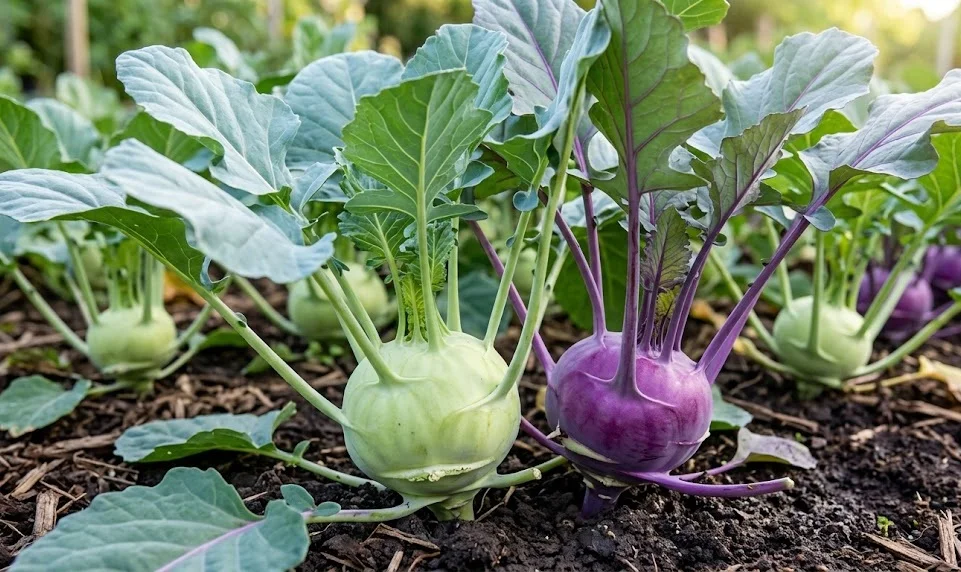
When planning a professional winter garden, you should look for kohlrabi varieties that are specifically described as being slow to bolt and highly frost-tolerant. Purple varieties are often considered to be slightly hardier than their green counterparts, though there are excellent cold-season choices in both colors. You will notice that these specialized cultivars often have a thicker skin that provides extra protection against the drying effects of the cold winter wind. A professional selection process takes into account your local temperature ranges and the specific conditions of your garden site.
More articles on this topic
Giant varieties of kohlrabi are another professional option for overwintering, as they can grow much larger without becoming woody or tough like standard types. These large bulbs have a greater thermal mass, which helps them to resist freezing and maintain their quality over a longer period in the ground. You might find that these are particularly suited for winter storage, as they can be harvested individually as needed throughout the coldest months. A professional gardener often grows a mix of varieties to see which ones perform the best in their unique winter microclimate.
Reading the technical descriptions from professional seed catalogs will give you valuable information about the “days to maturity” and the specific cold-hardiness ratings for different varieties. You should choose plants that fit within your local growing window and will have enough time to establish themselves before the deep winter sets in. It is also helpful to look for varieties that have a track record of performing well in your specific geographical region. Making an informed and professional choice at the beginning of the season is the foundation of a successful and rewarding winter harvest.
You can also experiment with saving your own seeds from the plants that survive the winter most successfully in your own garden over several years. This professional practice allows you to develop a locally adapted strain of kohlrabi that is perfectly suited to your specific soil and winter weather patterns. While this takes time and dedication, the result is a truly unique and resilient crop that will perform reliably for you year after year. A professional approach to seed selection is always looking forward and planning for the long-term success and sustainability of your agricultural efforts.
Protective structures
Using protective structures like cold frames or low tunnels is a professional way to shield your kohlrabi from the most extreme winter weather and extend your harvest. These simple additions act like a mini-greenhouse, trapping the heat from the sun during the day and providing a buffer against the freezing air at night. You should ensure that your structures are well-anchored to the ground to prevent them from being damaged or blown away by strong winter winds. A professional setup allows you to easily access your plants for harvesting even when the surrounding ground is covered in snow.
More articles on this topic
Low tunnels made from heavy-duty plastic or row cover fabric are a versatile and professional option for protecting entire rows of kohlrabi in your garden beds. You can support the covers with wire hoops or PVC piping to keep the material from touching the foliage and potentially causing frost damage through direct contact. It is important to ventilate these structures on sunny days to prevent the temperature inside from rising too high and causing the plants to suffer from heat stress. A professional gardener monitors the internal temperature of their tunnels just as carefully as the outside weather.
Cold frames are more permanent structures often built from wood and glass or clear plastic that provide a higher level of insulation and protection for your winter vegetables. You should place your cold frames in a south-facing location to maximize the amount of winter sun they receive and help keep the interior warm. This professional method is ideal for smaller gardens where you want to grow a variety of cool-season crops in a concentrated and protected area. Maintaining the hygiene within these frames is important to prevent the buildup of moisture and the development of winter molds or rot.
For those in extremely cold climates, using a double-layer approach with both a tunnel and a layer of heavy row cover inside can provide professional-level protection. This “house within a house” technique creates an extra layer of insulating air that can keep the temperature around the plants significantly higher than the outside environment. You will find that this method allows you to overwinter kohlrabi even in regions where the ground normally freezes solid for months at a time. A professional approach to winter protection is always adaptable and scales with the severity of the local climate to ensure your crop’s survival.
Soil insulation methods
Insulating the soil around your kohlrabi is just as important as protecting the foliage when it comes to surviving the winter months professionally. You should apply a thick layer of organic mulch, such as straw, shredded leaves, or wood chips, around the base of each plant before the ground freezes. This layer acts as a thermal blanket that keeps the soil temperature more stable and prevents the damaging cycle of repeated freezing and thawing. A professional mulch layer also helps to retain moisture in the ground, which is essential because winter air can be very drying for the plants.
The depth of your winter mulch should be significantly thicker than what you use during the summer, often reaching ten to fifteen centimeters for maximum professional protection. You should push the mulch right up against the bulbs of the kohlrabi, leaving only the leaves exposed to the air and light. This extra insulation protects the sensitive root zone and the lower part of the stem where the bulb is developing and storing its energy. A professional gardener checks the mulch regularly throughout the winter and adds more if it begins to settle or wash away during winter rain or snowmelt.
Using heavy row covers or old blankets directly on the soil surface can provide an additional professional layer of protection during particularly cold nights. You can lay these materials over the mulch and secure them with stones or stakes to keep them in place and prevent the heat from escaping. This technique is especially useful if you are expecting a sudden drop in temperature that might overwhelm your standard insulation methods. A professional approach is always prepared for the worst-case scenario and has the materials on hand to respond quickly to the changing winter weather.
You should also consider the orientation and layout of your garden beds to take advantage of natural insulation from snow cover, which is a surprisingly effective professional protector. Snow acts as a natural insulator, and a thick layer can keep the ground underneath much warmer than the air above it. You might find that kohlrabi planted near a windbreak or in a sheltered corner of the garden survives the winter better because the snow accumulates there more reliably. A professional gardener works with the natural features of their site to enhance the protection and success of their overwintered crops.
Winter harvest tips
Harvesting kohlrabi in the middle of winter requires a professional approach to ensure that both the vegetable and the remaining plants stay in good condition. You should choose a day when the temperatures are slightly above freezing if possible, as the bulbs will be easier to remove from the ground and will have a better texture. Use a sharp knife or heavy-duty garden shears to cut the bulb away from the roots, being careful not to disturb the neighboring plants that are still overwintering. A professional harvest is tidy and focused on minimizing the impact on the rest of the garden bed.
If the ground is frozen solid, you might need to use a small garden fork to gently loosen the soil around the base of the kohlrabi before you can harvest it. You should be extremely careful not to damage the outer skin of the bulb, as any cuts or bruises will make the vegetable much more prone to rot once you bring it indoors. A professional gardener understands that the quality of the winter harvest depends on the care taken during the removal process in these challenging conditions. Once harvested, the kohlrabi should be cleaned and used or stored professionally in a cool, dark place to maintain its freshness.
You will find that kohlrabi harvested in the winter often has a sweeter and more intense flavor than the same variety grown during the spring or summer. This professional phenomenon is due to the plant’s natural defense mechanism, where it concentrates sugars in its cells to lower the freezing point of its tissues. You should take advantage of this unique flavor profile by using your winter kohlrabi in raw preparations where its natural sweetness can truly shine for your guests. A professional kitchen values these seasonal shifts in flavor and plans its menus to showcase the best of what the winter garden has to offer.
Regularly monitoring your overwintered crop throughout the season will help you decide which plants to harvest first and which can stay in the ground a little longer. You should prioritize any bulbs that show signs of minor cold damage or those that are located in the most exposed parts of your garden beds. A professional approach to the winter harvest is based on a constant assessment of the crop’s condition and the predicted weather patterns for the coming weeks. Your dedication to this final stage of the growing cycle will ensure that you get the most value and enjoyment out of your professional overwintering efforts.