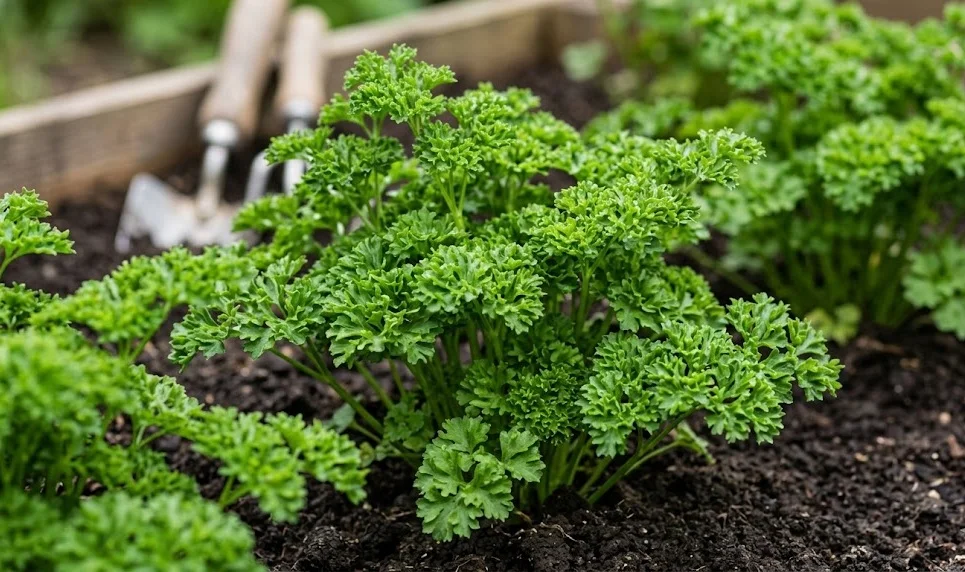

The dense and ruffled architecture of curly leaf parsley makes it a visually stunning herb, but it also creates numerous hiding spots for pests and traps moisture that encourages disease. Maintaining a healthy crop requires a proactive approach to integrated pest management and a keen eye for the early signs of physiological distress. Most issues can be managed effectively if they are caught before they spread to the entire plant or neighboring crops. Professional herb production relies on creating a clean, well-ventilated environment that naturally discourages the buildup of pathogens.
Fungal diseases are perhaps the most common challenge faced by those growing parsley, particularly in humid or rainy climates. Leaf spot and powdery mildew are frequent visitors that can quickly turn a beautiful green plant into a mottled, unhealthy mess. You should inspect the foliage daily for any unusual spotting, fuzzy white patches, or yellowing that does not correspond with the plant’s age. Early intervention often involves simply removing the affected leaves to stop the spores from jumping to healthy tissue.
Insect pests are equally problematic, as they can cause both direct physical damage and transmit dangerous viral diseases. Aphids, for example, love the tender new growth at the center of the curly parsley and can sap the plant’s energy in a matter of days. You must be diligent about checking deep within the ruffled leaves where these tiny insects prefer to congregate and hide. A strong stream of water can often dislodge these pests, but more persistent infestations may require professional-grade organic interventions.
Soil-borne pathogens represent a more hidden but equally deadly threat to the health of your curly leaf parsley. Root rot, often caused by species of Phytophthora or Pythium, can occur if the soil remains saturated for too long. You will notice the plant wilting even when the soil is wet, which is a classic sign that the root system has been compromised and can no longer function. Preventing these issues starts with excellent drainage and a commitment to not overwatering your herbs.
Combatting common fungal pathogens
Septoria leaf spot is a specific fungal disease that often targets parsley, manifesting as small, dark spots with yellowish halos. You will typically see these spots appearing first on the older, lower leaves before they move upward through the plant. To manage this, you must ensure that there is plenty of space between your plants for air to circulate freely and dry the foliage. Removing infected leaves and disposing of them away from the compost pile is a vital step in breaking the infection cycle.
More articles on this topic
Powdery mildew is another common fungal issue that appears as a dusty white coating on the surface of the curly leaves. This fungus thrives in warm, dry weather with high humidity at night, which are conditions often found in mid-summer. You can use a mixture of baking soda and water or a diluted milk spray as a natural way to change the surface pH of the leaves and kill the fungus. Maintaining consistent soil moisture also helps the plant resist this particular pathogen by reducing overall stress.
Damping off is a tragic condition that affects young parsley seedlings, causing them to collapse and die at the soil line. This is caused by various fungi that thrive in cool, wet soil and stagnant air, which are often found in indoor seed-starting setups. You can prevent this by using sterile potting soil, providing plenty of light, and ensuring that air is constantly moving around your trays. If you see a seedling fall over with a shriveled stem, remove it immediately to protect the rest of the batch.
Crown rot is a serious fungal condition that attacks the very base of the parsley plant where the stems meet the roots. It is often triggered by planting the herb too deeply or by allowing mulch to rest directly against the stems. Once crown rot takes hold, the entire plant will usually collapse and cannot be saved, so prevention is absolutely key. Ensure the crown is slightly above the soil line and keep the area clear of debris to maintain a dry environment at the plant’s base.
Managing insect infestations with precision
Aphids are the most frequent insect visitors to curly leaf parsley, often appearing in large numbers on the undersides of the leaves. These tiny, soft-bodied insects suck the nutrient-rich sap from the plant, leading to distorted growth and a sticky residue known as honeydew. You should encourage natural predators like ladybugs and lacewings in your garden to provide a biological check on aphid populations. If an outbreak occurs, an organic insecticidal soap can be used to coat the insects and eliminate them without harming the environment.
More articles on this topic
The parsley worm, which is the colorful caterpillar of the black swallowtail butterfly, is a common pest that can defoliate a plant quickly. While these caterpillars are destructive to the crop, they are also a beautiful part of the ecosystem and should be handled with care. If you have enough parsley, you might choose to move them to a “sacrifice” plant rather than killing them. Their distinctive green, black, and yellow markings make them very easy to spot and remove by hand if necessary.
Leaf miners are another insidious pest that leaves winding, silvery trails inside the tissue of the parsley leaves. These are the larvae of small flies that feed between the upper and lower surfaces of the leaf, making them difficult to reach with topical sprays. You should pick off and destroy any leaves that show these characteristic “tunnels” to prevent the larvae from reaching maturity and laying more eggs. Covering your plants with a fine mesh row cover can also prevent the adult flies from ever reaching the crop.
Spider mites can become a problem during hot, dry weather, appearing as tiny red or brown specks on the leaves. They create fine webbing between the stems and cause the foliage to turn a dull, bronzed color as they feed. Increasing the humidity around the plants with a light misting can often discourage these pests, as they prefer dry conditions. For more serious cases, neem oil is a highly effective organic treatment that disrupts their life cycle and protects the plant.
Bacterial and viral challenges in the garden
Bacterial soft rot is a devastating condition that can turn the stems of your curly leaf parsley into a mushy, foul-smelling mess. This bacteria often enters the plant through wounds caused by insects or careless harvesting techniques. You must be extremely careful when handling your plants and always use clean, sharp tools to minimize physical damage. There is no cure for bacterial soft rot, so infected plants must be removed and destroyed immediately to prevent the bacteria from spreading through the soil.
Viruses, such as the celery mosaic virus, can also affect parsley and cause stunted growth and distorted, mottled leaves. These viruses are often spread by aphids as they move from one plant to another, highlighting the importance of pest control. You will notice that infected plants never seem to thrive and their leaves may take on a weird, yellowish appearance. Since viruses cannot be cured, your only option is to remove the affected plants and focus on controlling the insects that transmit the disease.
Aster yellows is another serious issue that is technically caused by a phytoplasma, which is an organism somewhere between a bacteria and a virus. It is spread by leafhoppers and causes the parsley leaves to turn yellow and the center of the plant to become abnormally bunched. The overall health of the plant will decline rapidly, and it will eventually die without producing any useful foliage. Controlling leafhoppers and removing alternate hosts like weeds can help reduce the risk of this infection in your herb garden.
Maintaining a diverse garden ecosystem is one of the best ways to reduce the impact of these bacterial and viral threats. By not planting large monocultures of parsley, you make it harder for pests and diseases to find and overwhelm your crops. Rotating your herbs to a different part of the garden each year also helps to break the life cycles of soil-borne pathogens. A professional gardener views disease management as a holistic process that involves soil health, plant genetics, and environmental control.
Integrated pest management and prevention
Integrated Pest Management (IPM) is a professional strategy that combines biological, cultural, and physical controls to manage garden issues with minimal chemical use. You should start by selecting disease-resistant varieties of curly leaf parsley whenever they are available from reputable seed suppliers. Building healthy soil that is rich in organic matter gives the plants the strength they need to naturally resist many common pests. Prevention is always more effective and less expensive than trying to cure a problem once it has taken hold.
Physical barriers, such as floating row covers, are incredibly effective at keeping insects like flies and beetles away from your parsley. These lightweight fabrics allow light and water to reach the plants but create a mechanical shield that pests cannot penetrate. You should install these covers immediately after planting or transplanting for the best results throughout the season. Just be sure to secure the edges firmly to the ground so that no insects can crawl underneath and become trapped with your crop.
Companion planting is another professional technique that can help naturally repel pests or attract beneficial insects. Planting strongly scented herbs like chives or garlic near your parsley can confuse searching insects and keep them away. Conversely, planting flowers like alyssum or dill nearby can attract predatory wasps and flies that feed on aphids and caterpillars. This creates a self-regulating system in your garden that reduces the need for human intervention and chemical sprays.
Sanitation is perhaps the most important, yet often neglected, aspect of a professional pest and disease prevention program. You should always clean your tools after working with an infected plant to avoid carrying the pathogen to a healthy one. Remove all dead plant material and weeds from the area, as these can harbor overwintering pests and fungal spores. By maintaining a tidy and professional garden environment, you eliminate many of the starting points for common parsley problems.
Summary of diagnostic and treatment steps
When you first notice something wrong with your curly leaf parsley, you should follow a systematic process to identify and treat the issue. Start by carefully examining the entire plant, including the roots if the plant is wilting, to look for physical clues. Check for the presence of insects, the color and texture of any spots, and the overall vigor of the growth. Comparing your observations with a professional diagnostic guide can help you narrow down the potential causes.
Once you have identified the problem, choose the least invasive treatment option that is likely to be effective. This might involve simply moving the plant to a better location, adjusting your watering schedule, or using a mild organic spray. You should always test any spray on a single leaf first to ensure it does not cause a negative reaction in the plant. Monitor the plant closely for several days after treatment to see if the symptoms are improving or if further action is needed.
Documentation is a key part of professional gardening that helps you learn from your mistakes and successes over time. Keep a record of which pests appeared and when, as well as which treatments worked best for your specific conditions. You will likely find that certain issues occur at the same time every year, allowing you to take preventive action in the future. Sharing this knowledge with other gardeners can also help build a more resilient and informed community.
Ultimately, a few pests or spots are a normal part of a living garden and do not necessarily mean you have failed as a gardener. The goal is to keep these issues at a level that does not significantly impact the health or productivity of the parsley. With a bit of patience and a professional approach to care, you can overcome almost any challenge the garden throws your way. Enjoy the process of learning about the complex interactions between your plants and their environment.