
Caring for curly leaf parsley requires a dedicated approach that balances environmental factors with consistent manual intervention to ensure a lush harvest. This biennial herb is prized for its decorative and culinary properties, but it can be somewhat demanding during its peak growth stages. Understanding the specific physiological needs of the plant allows you to maintain a vibrant green color and a robust texture throughout the season. Successful cultivation starts with a commitment to monitoring the soil moisture and light exposure on a daily basis.
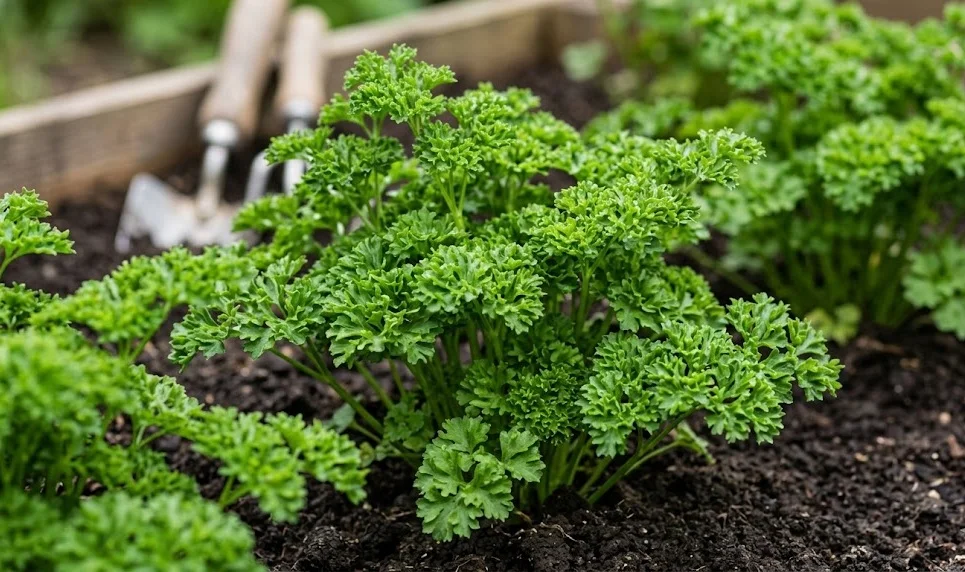
Maintaining the structural integrity of the curly leaves is a primary goal for any serious gardener or commercial grower. You should regularly inspect the center of the plant to ensure that new growth is not being stifled by older, yellowing stems. Air circulation is vital because the dense, ruffled nature of the foliage can easily trap moisture and lead to rot. If you notice any signs of stagnant air or overcrowding, you must act quickly to thin out the surrounding vegetation to protect the parsley.
The temperature range for optimal development is relatively narrow, requiring you to protect the plants during extreme heat waves. Curly leaf parsley thrives in cooler conditions and may bolt or lose its flavor if the soil temperature rises too significantly. Providing light mulch around the base of the plant can help regulate these temperatures and keep the root system cool and hydrated. Consistency in these small environmental adjustments will lead to a much more resilient plant that can withstand minor stress.
Soil health serves as the foundation for all maintenance efforts and must be addressed with professional precision throughout the year. You need to ensure that the earth remains loose and friable so that the taproot can penetrate deeply without meeting excessive resistance. Compaction is a silent killer for this herb, as it prevents the necessary exchange of gases and limits nutrient uptake. Regular aeration using a small hand tool can prevent the surface from crusting over after heavy rains.
Understanding the fundamental needs of the plant
The biological cycle of this herb is unique and requires you to plan your care routine around its two-year lifespan. In the first year, the focus remains entirely on vegetative growth and the development of the thick, curly foliage that we value. You will notice that the energy of the plant is directed toward establishing a strong root system and a dense canopy. During this phase, your primary responsibility is to provide the raw materials needed for rapid cellular expansion.
More articles on this topic
Nutrient availability must be constant but not overwhelming, as excessive nitrogen can lead to leaves that lack the characteristic pungent aroma. You should aim for a balanced supply of macro and microelements that support both stem strength and leaf density. If the plant feels sluggish in its growth, a mild organic liquid feed can provide the necessary boost without causing chemical burn. Observe the color of the new shoots to determine if the current fertilization schedule is meeting the plant’s metabolic demands.
Humidity levels around the curly leaves should be monitored to prevent the foliage from becoming brittle or overly soft. While the plant enjoys moist soil, it does not tolerate high atmospheric humidity combined with stagnant air very well. You can manage this by spacing your plants appropriately and avoiding overhead watering late in the evening. By keeping the leaves dry during the night, you significantly reduce the risk of environmental stress and physiological breakdown.
The interaction between light and temperature also plays a critical role in how the plant manages its energy reserves. You will find that while parsley loves the sun, the curly variety is particularly susceptible to sunscald if moved abruptly from a shaded area. Gradually acclimating the plants to higher light intensities is a professional technique that prevents cellular damage. This hardening-off process is essential for maintaining the aesthetic quality of the leaves destined for the market or the kitchen.
Optimizing the soil environment for growth
The physical structure of the soil should be your first priority when preparing or maintaining the parsley bed. A loamy texture that incorporates plenty of organic matter will provide the ideal balance of drainage and moisture retention. You should avoid heavy clay soils that hold too much water, as this can lead to anaerobic conditions around the roots. Adding well-rotted compost can improve the structure of both sandy and clay-heavy soils significantly over time.
More articles on this topic
Chemical properties, specifically the pH level of the soil, must be kept within a slightly acidic to neutral range. You should aim for a pH between 6.0 and 7.0 to ensure that all essential nutrients remain chemically available to the plant. If the soil becomes too acidic, you might notice a slowing of growth and a general yellowing of the foliage. Testing the soil at the beginning of each season allows you to make precise adjustments using lime or sulfur as needed.
Microbial activity is an often-overlooked aspect of soil care that can greatly enhance the health of your curly parsley. By fostering a healthy community of beneficial bacteria and fungi, you help the plant access nutrients that would otherwise be locked away. Avoid using harsh synthetic fungicides or pesticides that can disrupt this delicate underground ecosystem. Instead, focus on building soil health through the addition of organic amendments and natural bio-stimulants.
Drainage remains the most critical physical factor because the taproot of the parsley is sensitive to prolonged saturation. You should observe how water moves through the soil after a heavy rainstorm to identify any areas of standing water. If drainage is poor, consider planting your parsley in raised beds or adding grit to the soil mixture to facilitate faster runoff. Ensuring that oxygen can reach the roots is just as important as providing the water itself.
Adapting to various weather conditions
During the transition from spring to summer, you must be prepared to adjust your care routine to account for rising temperatures. The curly leaf variety can struggle when the mercury climbs above 25 degrees Celsius for extended periods. Providing temporary shade during the hottest part of the afternoon can prevent the leaves from wilting and losing their crisp texture. You will find that a simple shade cloth can make a significant difference in the quality of your mid-summer harvest.
Rainfall patterns also dictate how you should manage the garden, as heavy downpours can splash soil onto the ruffled leaves. This soil can harbor pathogens and make the parsley difficult to clean before use, so a layer of clean straw or mulch is highly recommended. If a long period of rain is expected, you might need to improve local drainage around the plants to prevent root stress. Monitoring the weather forecast allows you to take proactive steps before the plants are subjected to environmental extremes.
Wind can be a double-edged sword for curly leaf parsley, providing necessary air circulation but also causing excessive transpiration. In very windy locations, the plants may dry out much faster than expected, requiring more frequent irrigation checks. You can use taller neighboring plants or low fences to create a windbreak that protects the delicate stems from mechanical damage. Protecting the physical structure of the plant ensures that the leaves remain attractive and marketable.
As autumn approaches, the plant will naturally begin to slow its growth in response to shorter days and cooler nights. You should reduce the frequency of fertilization during this time to allow the plant to prepare for its dormant or semi-dormant state. The flavor of the parsley often intensifies during these cooler weeks, making it a prime time for a final large harvest. Understanding these seasonal shifts allows you to maximize the productivity of the plant throughout its entire life cycle.
Routine maintenance and cleaning practices
Cleaning the base of the parsley plants is a task that should be performed at least once every two weeks. You need to remove any fallen leaves, twigs, or debris that might have accumulated around the stems. This material can trap moisture and provide a breeding ground for slugs or fungal spores that can quickly spread to the healthy foliage. A clean environment at the soil level is the best defense against many common gardening problems.
Inspecting the underside of the curly leaves is another essential part of a professional maintenance routine. Because of the complex shape of the foliage, pests can easily hide out of sight and establish significant colonies before they are noticed. You should look for aphids, spider mites, or the early signs of leaf miners during these inspections. Early detection is the key to managing these issues with minimal intervention and no damage to the plant.
Thinning the plants is necessary if you have sown seeds too densely or if the plants have expanded beyond their allotted space. You want to ensure that each individual parsley plant has enough room to expand its canopy without competing for light or air. Crowded plants are much more likely to develop diseases and will generally produce smaller, less flavorful leaves. Proper spacing is a fundamental aspect of high-quality herb production that should never be ignored.
Removing any emerging flower stalks in the first year is crucial for maintaining leaf production. If the plant “bolts” and starts to produce seeds prematurely, the energy of the plant will shift away from the leaves, causing them to become tough and bitter. You should pinch off these stalks as soon as they appear at the center of the plant. This simple action forces the parsley to continue focusing its resources on the vegetative growth that you desire.
Strategic harvesting for continuous yield
The method you use to harvest curly leaf parsley directly impacts the future growth and health of the plant. You should always take the outer, more mature leaves first, leaving the inner heart of the plant to continue developing. Using sharp, clean scissors or garden snips is better than pulling the stems by hand, as pulling can damage the crown. By removing only about a third of the foliage at any one time, you ensure the plant has enough photosynthetic capacity to recover quickly.
Timing your harvests during the day can also influence the quality and shelf life of the cut herbs. The best time to harvest is early in the morning after the dew has dried but before the sun becomes too intense. At this time, the essential oils are at their peak concentration, and the leaves are fully hydrated and turgid. If you harvest during the heat of the day, the leaves will wilt much faster and lose some of their culinary potency.
Consistent harvesting actually encourages the plant to produce more leaves, acting as a form of light pruning. You will find that a plant that is harvested regularly stays more compact and vigorous than one left to grow wild. If you have more parsley than you can use immediately, the leaves can be dried or frozen for later use. This ensures that none of the plant’s hard work goes to waste and keeps the garden productive throughout the season.
During the final weeks of the growing season, you can be a bit more aggressive with your harvesting if you do not plan to overwinter the plants. However, if you want the parsley to return the following spring, you must leave enough growth to protect the crown during the winter months. Professional growers often keep a strict schedule of rotation to ensure that some plants are always ready for harvest while others are recovering. This balance is the hallmark of a well-managed herb garden.
Effective weed management techniques
Weeds are the primary competitors for the nutrients and water that your curly leaf parsley needs to thrive. Because parsley grows relatively slowly in its early stages, it can easily be overwhelmed by faster-growing invasive species. You should practice regular hand-weeding to remove any unwanted plants as soon as they emerge from the soil. Being diligent during the first few weeks of growth will make the rest of the season much easier to manage.
Using a layer of organic mulch is one of the most effective ways to suppress weed growth while also benefiting the soil. Materials like shredded bark, cocoa hulls, or clean straw can create a barrier that prevents weed seeds from germinating. This mulch also helps to maintain a consistent moisture level in the soil, which is a major bonus for the thirsty parsley roots. You just need to ensure that the mulch does not directly touch the stems of the parsley to avoid rot.
If you are dealing with a large area, using a hoed approach can be efficient, but you must be extremely careful not to damage the parsley’s shallow roots. A light scuffle hoe can be used to disrupt the surface of the soil and kill young weed seedlings before they become established. You should always work when the soil is relatively dry to avoid creating clods or compacting the earth further. Precision is required when working close to the herb plants to prevent accidental injury.
Cover cropping in the off-season can also help reduce the overall weed pressure in your herb beds. By planting a fast-growing green manure during the winter, you prevent weeds from taking over the empty space and setting seed. When you turn this cover crop back into the soil in the spring, it adds valuable organic matter and improves the soil structure. Long-term weed management is about breaking the cycle of seed production and maintaining a healthy, competitive environment for your desired crops.
Enhancing plant longevity through care
While curly leaf parsley is technically a biennial, its quality often declines after the first year of intensive growth. However, with the right care, you can extend its productivity and ensure a healthy transition into its second season. Maintaining a consistent supply of water and nutrients even during the dormant months is key to its survival. You should avoid the temptation to neglect the plants just because they are not actively producing new leaves.
Protecting the crown from physical damage is essential for the long-term survival of the plant. You should be careful when working around the base of the parsley, especially during the colder months when the tissues are more brittle. If the crown is crushed or infected, the plant will likely die and fail to produce its second-year growth. A healthy crown is the engine that drives the plant’s ability to bounce back in the spring.
As the plant enters its second year, it will naturally want to produce a large flowering stalk to complete its life cycle. You can delay this process slightly through pruning, but eventually, the plant will prioritize seed production. At this stage, you might choose to let one or two plants go to seed so that you can collect them for future plantings. This creates a sustainable cycle in your garden that reduces your reliance on purchased seeds.
Ultimately, the longevity of your curly leaf parsley depends on the cumulative effect of all your care practices. A plant that has been well-fed, properly watered, and protected from pests will naturally be much more resilient. By treating each individual plant with professional attention, you can enjoy a continuous supply of high-quality herbs for your kitchen. Mastery of these care techniques is what separates a casual gardener from a true horticultural expert.