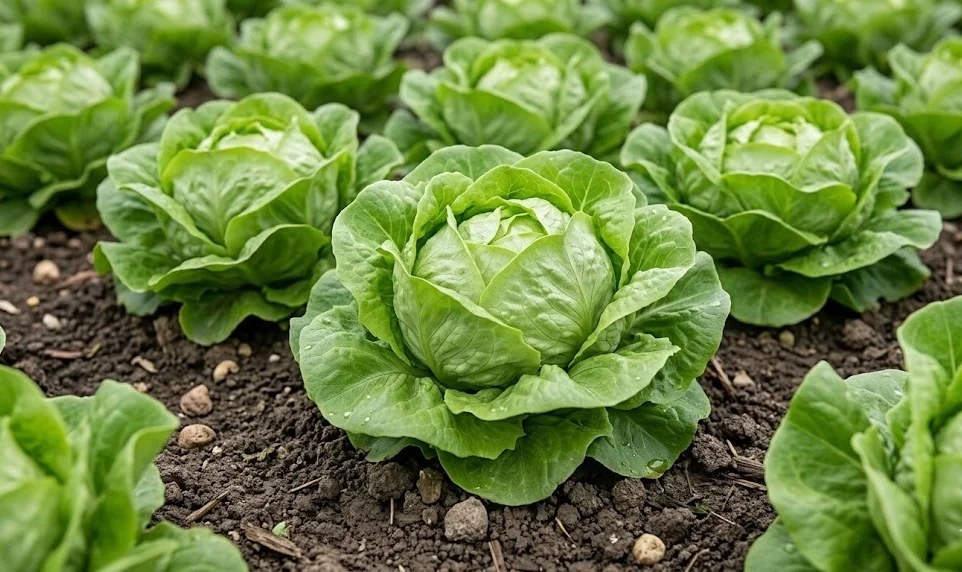

Protecting head lettuce from the wide array of diseases and pests that target it is a constant challenge for professional horticulturalists. Because lettuce is grown for its tender leaves and often consumed raw, the standards for cosmetic appearance and safety are exceptionally high. An effective integrated pest management strategy relies on regular scouting, cultural prevention, and the targeted use of organic or chemical controls when necessary. By understanding the lifecycles and preferences of common lettuce enemies, a gardener can maintain a healthy and productive environment for their crop.
The most common diseases affecting head lettuce are typically fungal in nature, often thriving in the humid conditions found near the soil surface. Downy mildew and powdery mildew are frequent visitors to lettuce patches, characterized by unsightly spots and coatings on the foliage. These pathogens can spread rapidly through wind-borne spores, especially when the leaves remain wet for extended periods. Professional growers prioritize airflow and avoid overhead irrigation to keep the canopy as dry as possible, significantly reducing the chances of a major outbreak.
Soil-borne pathogens like Sclerotinia, also known as drop or white mold, present a different type of threat by attacking the plant at the soil line. This disease causes the entire head to suddenly collapse and rot, often leaving behind characteristic white fungal growth and black resting structures. Once established in the soil, these pathogens can remain dormant for several years, making crop rotation an essential practice for professional growers. Maintaining excellent drainage and avoiding the over-application of nitrogen can help to make the environment less hospitable to these destructive organisms.
Bacterial diseases, such as soft rot and bacterial leaf spot, often enter the plant through wounds caused by mechanical damage or insect feeding. These infections can turn a beautiful head of lettuce into an unmarketable slurry in a matter of days, especially during warm and wet weather. Sanitation is the primary defense against bacterial spread; tools should be cleaned regularly, and infected plants should be removed from the garden immediately. Professionals also avoid working in the lettuce rows when the plants are wet to prevent the inadvertent mechanical transfer of bacteria between individuals.
Fungal management and prevention strategies
Early identification is the most critical step in managing fungal diseases before they compromise the entire lettuce harvest. Scouting the garden beds at least twice a week allows the gardener to spot the first signs of mildew or blight on the lower leaves. If caught early, the removal of affected leaves and the application of organic fungicides like copper or sulfur can often contain the spread. Waiting until the disease is widespread usually results in the loss of the entire crop, as fungal spores are incredibly efficient at colonizing healthy tissue.
More articles on this topic
The use of resistant varieties is one of the most effective and sustainable ways to manage disease pressure in a professional setting. Plant breeders have spent decades developing lettuce cultivars that are naturally resistant to the most common strains of downy mildew and mosaic virus. Reviewing the resistance codes on seed packets or in catalogs allows the grower to select the best plants for their specific regional challenges. While no variety is completely immune to all diseases, these genetic advantages provide a significant buffer against environmental stress and pathogen attacks.
Crop rotation is a fundamental cultural practice that breaks the lifecycle of many soil-borne fungal diseases that target leafy greens. Professionals avoid planting lettuce or related crops in the same spot more than once every three to four years. By rotating with non-susceptible crops like onions, carrots, or legumes, the gardener can naturally reduce the population of pathogens in the soil. This practice also helps to maintain a balanced nutrient profile in the soil, as different crops have varying mineral requirements and root structures.
Improving the physical structure of the soil to ensure rapid drainage is another key component of fungal disease prevention. Heavy, waterlogged soils are the primary breeding ground for the root and crown rots that plague lettuce growers in wet climates. Adding high-quality compost and creating raised beds are effective ways to improve aeration and moisture movement around the root zone. A healthy, well-oxygenated soil supports a robust population of beneficial microbes that can actually help to suppress harmful fungal pathogens through natural competition.
Managing aphid populations and viral threats
Aphids are arguably the most persistent insect pest of head lettuce, capable of causing both direct physical damage and spreading devastating viral diseases. These small, soft-bodied insects cluster on the undersides of leaves and in the heart of the developing head, where they suck the sap from the plant. This feeding can cause the leaves to become distorted and yellowed, making the lettuce unappealing for consumption. Furthermore, the sticky honeydew they excrete can lead to the growth of sooty mold, further degrading the quality of the crop.
More articles on this topic
Biological control is a favored method for managing aphids in professional and organic gardening systems. Encouraging natural predators like ladybugs, lacewings, and parasitic wasps can keep aphid populations below the threshold where they cause significant economic damage. Planting nectar-rich flowers nearby provides a food source for these beneficial insects, ensuring they stay in the garden to patrol the lettuce rows. In cases of severe infestation, insecticidal soaps or neem oil can be used as a targeted, low-toxicity intervention that spares most of the beneficial population.
Lettuce mosaic virus is a serious concern that is often introduced to the garden via infected seeds or by aphids moving from other host plants. This virus causes stunted growth, mottled leaf patterns, and a failure of the head to form correctly, often resulting in a total loss of the affected plants. There is no cure for viral infections in plants, so the focus must remain entirely on prevention and the immediate removal of suspicious individuals. Professional growers only use certified virus-free seeds to eliminate the primary source of infection from their production cycle.
Reflective mulches are an advanced tool used by some commercial growers to deter aphids and other flying insects from landing on their crops. These silver or aluminum-coated materials reflect ultraviolet light, which confuses the insects’ navigation systems and discourages them from colonizing the area. While more expensive than traditional mulches, they can significantly reduce the need for insecticide applications and help to keep the crop clean. Combining these physical barriers with biological controls creates a multi-layered defense system that is highly effective at managing aphid-related issues.
Controlling slugs and other garden scavengers
Slugs and snails can be incredibly destructive to head lettuce, especially during damp nights and in the early spring. These mollusks feed on the tender leaves, leaving behind irregular holes and unsightly slime trails that ruin the aesthetic and culinary value of the crop. They are particularly fond of hiding under mulch or in the tight crevices of developing lettuce heads during the day. Professional management involves a combination of environmental modification, physical barriers, and targeted baiting to keep their numbers in check.
Reducing the availability of moisture and hiding spots is the first step in making the garden less attractive to slugs and snails. Avoiding late-day watering and keeping the area around the lettuce beds clear of tall grass and debris forces the pests to search further for habitat. Some growers use copper tape around the edges of raised beds, as the metal reacts with the slugs’ mucus to create a mild but effective deterrent. While these cultural methods require consistency, they are essential for long-term control without relying solely on chemical interventions.
Iron phosphate-based baits are a professional, organic-approved solution for managing slug populations in high-pressure areas. Unlike older, more toxic baits, iron phosphate is safe to use around pets and wildlife and breaks down into natural soil nutrients. Slugs are attracted to the pellets, consume them, and then stop feeding and crawl away to die, usually within a few days. Placing these baits in the late evening when the pests are most active ensures the highest rate of success in protecting the developing lettuce heads.
Birds and small mammals can also occasionally target young lettuce seedlings or mature heads, especially in rural or suburban garden settings. Utilizing lightweight bird netting or row covers provides a physical barrier that is both effective and easy to install over the rows. These covers also provide the added benefit of protecting the plants from intense sun and light frosts, making them a versatile tool in the gardener’s kit. Regularly inspecting the perimeter of the garden for signs of entry by larger pests allows for the timely adjustment of fencing or other deterrents.
Integrated pest management and long-term health
The philosophy of Integrated Pest Management (IPM) is about making informed decisions based on the specific conditions and pest pressures present in the garden. It moves away from the “spray by the calendar” approach and instead focuses on monitoring, threshold levels, and the least toxic interventions first. A professional gardener keeps a detailed journal of when certain pests appear and what methods were most effective at controlling them. This historical data becomes an invaluable resource for predicting and preventing future outbreaks in subsequent growing seasons.
Sanitation at the end of the growing season is just as important as the care provided during the active months. Removing all crop residues and clearing away potential overwintering sites for pests and diseases significantly reduces the pressure for the following spring. Many pathogens and insects survive the winter in the soil or in decaying plant matter, waiting to re-infect the next generation of lettuce. A thorough autumn cleanup is one of the most effective ways to ensure a healthy start for the new year’s production.
Supporting the overall health and vigor of the lettuce plant is the best natural defense against any pest or disease. A plant that is growing rapidly in ideal conditions, with perfect moisture and nutrition, is far better equipped to withstand minor damage or infection. Stress, whether from drought, heat, or poor soil, weakens the plant’s immune system and makes it an easy target for opportunistic enemies. Investing time in perfecting the cultural requirements of head lettuce is the foundation upon which all other protection strategies are built.
Education and staying current with agricultural research are essential for any professional looking to manage lettuce pests and diseases effectively. New strains of mildew and invasive insect species are constantly emerging, requiring the adaptation of management techniques. Attending workshops, reading professional journals, and participating in local agricultural extensions can provide the latest information on emerging threats and innovative solutions. By remaining proactive and informed, a gardener can successfully navigate the complexities of plant protection and consistently produce high-quality head lettuce.