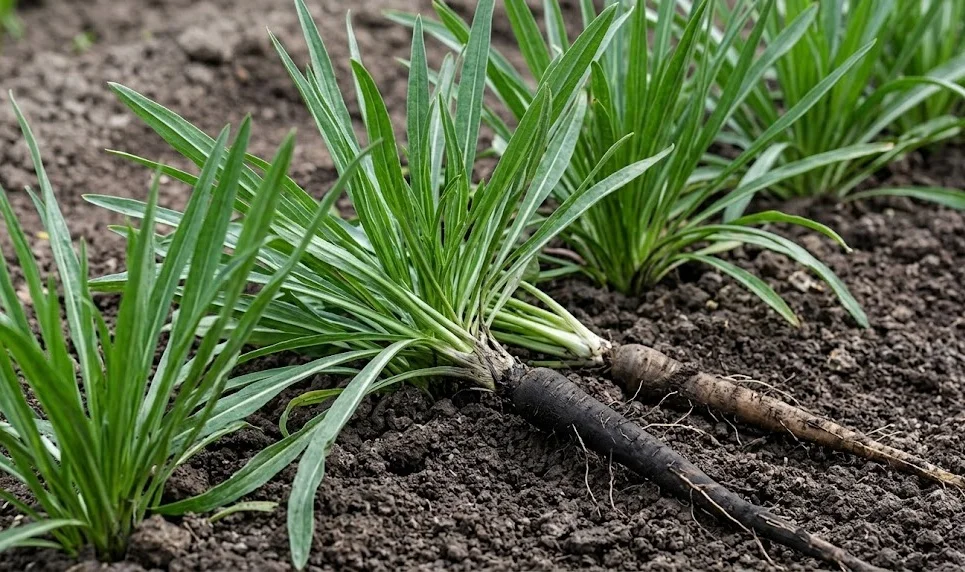

Protecting black salsify from the various biological threats it faces requires a proactive and integrated management strategy. While this crop is generally considered more resilient than many other garden vegetables, it is still susceptible to specific fungi, bacteria, and insects that can compromise the harvest. You must focus on creating a healthy environment that minimizes stress on the plants, as stressed individuals are always the first to be attacked. Early detection and swift, appropriate action are the keys to maintaining a productive and disease-free crop.
Identifying and managing common fungal pathogens
Fungal diseases are perhaps the most frequent challenge you will encounter when growing this long-season root crop. White blister is a particularly common issue, characterized by white, chalky pustules that appear on the leaves and can eventually lead to foliage distortion. While it rarely kills the plant outright, a severe infection can significantly reduce the photosynthetic capacity, resulting in smaller roots. Improving airflow between the plants and avoiding overhead irrigation are the most effective ways to prevent the spread of fungal spores.
Powdery mildew is another fungus that can affect salsify, appearing as a white, flour-like coating on the surface of the leaves during warm, humid weather. This pathogen thrives in stagnant air and can quickly spread throughout a densely planted bed if left unchecked. You can manage mildew by ensuring proper spacing and, if necessary, using organic sulfur-based sprays or neem oil. Removing and destroying heavily infected leaves at the first sign of trouble helps to break the disease cycle and protect the healthy foliage.
Root rot, often caused by various species of soil-borne fungi, is a more serious threat that directly attacks the edible portion of the plant. It typically occurs in heavy, poorly drained soils where water remains stagnant around the base of the roots for extended periods. Affected plants will often wilt suddenly and may show signs of decay at the crown when inspected closely. Prevention is the best cure for root rot, which means you must ensure your planting site has excellent drainage and avoid overwatering during the cooler months.
Sclerotinia, also known as white mold, can cause a watery rot accompanied by white, cottony fungal growth on the stems and roots. This pathogen produces long-lived survival structures called sclerotia that can persist in the soil for many years, making it a difficult problem to manage. If you identify white mold in your garden, you must remove the infected plants and the surrounding soil immediately to prevent the formation of these structures. Maintaining a rigorous crop rotation schedule is the most effective long-term strategy for reducing the presence of Sclerotinia in your soil.
More articles on this topic
Managing physiological disorders and environmental stress
Not all problems that look like diseases are caused by pathogens; some are the result of the plant’s reaction to its environment. Root splitting is a common physiological disorder that occurs when a period of drought is followed by a sudden, heavy influx of water. The rapid expansion of the internal tissues causes the outer skin of the root to burst, creating unsightly cracks that can become entry points for secondary infections. Maintaining consistent soil moisture throughout the season is the best way to prevent this structural failure and ensure a high-quality harvest.
Forking of the roots is another non-pathogenic issue that occurs when the growing tip of the taproot encounters a physical obstruction or an area of high nutrient concentration. Stones, compacted clay, or fresh manure in the soil can all cause the root to branch out into multiple, smaller taproots. This makes the vegetable much harder to clean and prepare in the kitchen, significantly reducing its commercial and culinary value. Thorough soil preparation and the use of well-rotted organic matter are essential to preventing this common growth defect.
Hollow heart is a condition where a cavity forms in the center of the root, often due to rapid growth or a lack of specific micronutrients like boron. While the root may look perfect from the outside, the internal quality is compromised, and the shelf life is often shortened. You can minimize the risk of hollow heart by ensuring a steady, moderate growth rate and by checking your soil’s mineral balance through regular testing. Avoiding excessive fertilization, particularly with high-nitrogen products, also helps to keep the internal structure of the root dense and healthy.
Temperature stress can also lead to issues such as premature bolting, where the plant attempts to flower in its first year of growth. This is often triggered by a period of cold weather followed by a sudden heatwave, which the plant interprets as the transition between its first and second seasons. Once a salsify plant begins to bolt, the root becomes tough and woody as the energy is redirected to seed production. If you notice flower stalks appearing, they should be removed immediately, although the quality of that specific root will likely be lower than its neighbors.
More articles on this topic
Controlling underground pests and soil-borne threats
Nematodes are microscopic roundworms that can cause significant damage to the root system without being visible to the naked eye. Root-knot nematodes are particularly problematic, as they create small galls or swellings on the roots that interfere with the uptake of water and nutrients. Infected plants often appear stunted, yellowed, and may wilt during the hottest part of the day even when moisture is available. Solarization of the soil or the use of specific cover crops like French marigolds can help to reduce nematode populations over time.
Wireworms, the larvae of click beetles, are another serious underground threat that tunnels into the developing taproots of the salsify. These small, orange-brown worms leave behind narrow galleries that ruin the appearance and texture of the vegetable and allow rot to set in. Wireworms are often most prevalent in areas that were recently covered in grass or turf, so you should be extra cautious when breaking new ground for your garden. Regular cultivation and the removal of weed hosts can help to discourage these pests from establishing themselves in your beds.
Cutworms can be a devastating problem during the seedling stage, as they hide in the soil during the day and emerge at night to snip off young plants at the base. You might find several healthy-looking seedlings lying on the soil surface the next morning, severed clean through the stem. To protect your young crop, you can use physical barriers such as cardboard collars around each seedling or apply organic biological controls like Bacillus thuringiensis. Keeping the area free of tall grass and debris where adult moths lay their eggs also reduces the local cutworm population.
Slugs and snails are perhaps the most universal garden pests, and they find the tender foliage and crowns of young salsify particularly attractive. They are most active during damp weather and at night, leaving behind tell-tale slime trails and ragged holes in the leaves. Using copper barriers, beer traps, or organic iron phosphate pellets can help to keep their numbers under control. Encouraging natural predators like birds, frogs, and ground beetles into your garden creates a more balanced ecosystem where slug damage is minimized naturally.
Foliar insects and their impact on plant vigor
Aphids are small, soft-bodied insects that congregate on the tender new growth and the undersides of the leaves, sucking out the plant’s vital juices. A significant infestation can cause the leaves to curl, yellow, and become stunted, which directly impacts the plant’s ability to produce energy for the root. Aphids also secrete a sticky substance called honeydew, which can attract ants and promote the growth of black sooty mold. A strong blast of water from a garden hose or an application of insecticidal soap is usually sufficient to manage these common pests.
Leaf miners are the larvae of small flies that live and feed between the upper and lower layers of the leaf tissue. You will recognize their presence by the characteristic winding, silver-colored tunnels they leave behind as they move through the foliage. While a small amount of damage is mostly cosmetic, a heavy infestation can significantly reduce the photosynthetic area of the plant. Removing and destroying affected leaves can help to reduce the next generation of miners, and floating row covers can prevent the adult flies from laying their eggs on the leaves in the first place.
Flea beetles are tiny, jumping insects that chew numerous small holes in the leaves, often giving them a “shothole” appearance. This damage can be particularly harmful to young seedlings, which may struggle to recover from the loss of so much leaf tissue. Adult flea beetles are most active in sunny weather and can be managed with sticky traps or by using row covers until the plants are large enough to withstand the damage. Maintaining high soil moisture levels also tends to discourage these pests, as they prefer drier conditions for their activity.
Caterpillars of various moth species may also find the foliage of black salsify to be a suitable food source during the summer months. These voracious eaters can consume large amounts of leaf material in a short period, leaving only the toughest veins behind. Regular hand-picking of any caterpillars you find is the most direct and environmentally friendly way to manage them in a small garden. For larger areas, organic sprays containing naturally occurring bacteria can target the larvae without harming beneficial insects or pollinators.
Integrated pest management and preventive practices
The most effective way to manage pests and diseases is through a comprehensive Integrated Pest Management (IPM) approach that prioritizes prevention over cure. This starts with choosing disease-resistant varieties and ensuring that your planting site is optimized for plant health. By maintaining the correct soil pH, providing consistent moisture, and avoiding over-fertilization, you create robust plants that are naturally more resistant to attacks. A healthy garden ecosystem is your first and most important line of defense against any biological threat.
Crop rotation is a fundamental practice that you should implement to prevent the buildup of soil-borne pathogens and pests. You should avoid planting black salsify or its close relatives in the same location for at least three to four years. This break in the cycle starves out many host-specific organisms and allows the soil to recover its nutritional balance. Rotating with unrelated crops like legumes, brassicas, or onions helps to maintain a diverse and healthy soil microbiome.
Good garden hygiene is another critical component of a professional pest and disease management strategy. You should regularly remove any diseased or dead plant material and dispose of it properly, away from your compost pile. Cleaning your tools with a mild disinfectant after working in an area with known disease issues prevents the accidental spread of pathogens to healthy parts of the garden. Keeping the area around your vegetable beds free of weeds and debris also removes potential hiding spots and alternate hosts for many common pests.
Finally, encouraging biodiversity in and around your garden helps to support the natural enemies of common agricultural pests. Planting flowers that attract hoverflies, lacewings, and parasitic wasps provides you with a free and continuous pest control service. By minimizing the use of broad-spectrum chemical pesticides, you protect these beneficial insects and allow them to do their work effectively. This ecological approach to gardening not only protects your current crop of black salsify but also ensures the long-term health and productivity of your entire garden.