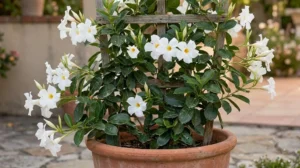
Strategic pruning is an essential maintenance task that ensures the structural integrity, aesthetic beauty, and productivity of the natal plum. This vigorous shrub responds exceptionally well to trimming, making it a favorite for hedges, topiary, and architectural garden features. A professional approach to pruning focuses on maintaining a healthy balance between new and old growth while encouraging the development of flowers and fruit. By understanding the plant’s natural growth patterns and using the right techniques, you can shape the shrub into a functional and stunning asset for any landscape.
The primary goals of pruning are to remove dead or diseased wood, improve airflow through the canopy, and maintain the desired size and shape of the plant. Because the shrub produces sharp thorns, wearing protective clothing and using the appropriate tools are the first steps in any professional pruning operation. Regular, light trimming is generally preferred over heavy, infrequent cuts, as it causes less stress to the plant and results in a denser foliage cover. The timing of the pruning is also critical, as it directly influences the subsequent flowering and fruiting cycle of the shrub.
The best time for a major structural pruning is usually in the early spring, just before the first flush of new growth begins. This allows the plant to heal quickly and use its seasonal surge of energy to produce fresh, healthy branches that will eventually bear flowers. For formal hedges, light maintenance trimming can be carried out throughout the growing season to keep the lines sharp and the foliage dense. However, avoid heavy pruning in the late autumn, as this can stimulate soft new growth that is highly vulnerable to damage from early frosts.
Pruning also offers a valuable opportunity to inspect the inner parts of the shrub for hidden pests or signs of disease that may not be visible on the outer surface. By clearing out the congested center of the plant, you create an environment that is less hospitable to pathogens and easier for beneficial insects to navigate. A well-pruned specimen is not just a visual delight; it is a healthier and more resilient plant that can better withstand environmental challenges. Professional pruning is both an art and a science, requiring a keen eye and a disciplined hand to achieve the best results.
Essential tools and sanitation for effective pruning
Using high-quality, professional-grade tools is the foundation of a successful pruning operation and ensures clean cuts that heal quickly. Bypass pruners are the preferred choice for most tasks involving the natal plum, as their scissor-like action provides a smooth cut that does not crush the delicate stem tissues. For thicker branches that have become woody over time, a sharp pruning saw or loppers may be necessary to achieve the required leverage and precision. Keeping your tools sharp is not just about efficiency; it is about minimizing the physical stress on the plant and reducing the risk of tearing the bark.
More articles on this topic
Sanitation is just as important as the quality of the tools, as contaminated blades can easily spread fungal and bacterial pathogens from one plant to another. Before starting any pruning task, and between different plants, all cutting surfaces should be wiped down with a disinfectant such as rubbing alcohol or a dilute bleach solution. This simple but critical step is a hallmark of professional horticultural practice and is the most effective way to prevent the inadvertent spread of disease in the garden. A clean cut on a healthy plant is far less likely to become an entry point for environmental pathogens.
The technique used to make each cut also plays a significant role in how the plant recovers and grows afterward. Cuts should always be made at a slight angle, approximately a quarter of an inch above a healthy bud or a lateral branch. This prevents water from pooling on the cut surface, which can encourage rot, and directs the plant’s energy toward the development of the remaining buds. Avoid leaving long stubs, as these will eventually die back and can serve as a conduit for decay into the main structural wood of the shrub.
For larger cuts that expose a significant area of the inner wood, some professionals choose to apply a thin layer of specialized pruning sealer, although this is often unnecessary for a healthy natal plum. The plant’s own natural defenses and the rapid healing response in the spring are usually sufficient to protect the wound. The focus should always be on making the cleanest, most precise cuts possible and ensuring that the tools are in peak condition before work begins. By prioritizing tool maintenance and sanitation, the grower ensures that the pruning process is a positive and invigorating event for the shrub.
Structural shaping and removing damaged growth
The first priority in any pruning session should be the removal of the “three Ds”: dead, damaged, and diseased wood. These branches not only detract from the beauty of the shrub but can also sap its energy and provide a base for pest infestations to grow. By removing them cleanly at their point of origin, you allow the plant to focus its resources on its healthy tissues and improve its overall vitality. This initial cleanup often reveals the natural underlying structure of the shrub, making it easier to plan the next steps of the shaping process.
More articles on this topic
Structural shaping involves thinning out the canopy to ensure that light and air can reach the inner branches and the lower parts of the plant. Professional horticulturists often look for branches that are crossing or rubbing against each other, as these can create wounds that become vulnerable to disease. Removing one of the competing branches opens up the interior and helps to create a more balanced and aesthetically pleasing framework. This thinning also helps to manage the overall size of the shrub, preventing it from becoming an unmanageable thicket in a confined space.
When shaping a formal hedge or a topiary, the goal is to create a uniform surface that maintains its density even as it grows. Using a set of sharp hedge shears or an electric trimmer allows for the creation of precise lines and smooth curves that define the form. It is important to remember the tapering rule—keeping the base slightly wider than the top—to ensure that the lower leaves receive enough sunlight to remain healthy. This structural discipline is what transforms a simple shrub into a sophisticated architectural element within the landscape design.
For more naturalistic garden settings, the pruning should be more subtle, aiming to enhance the plant’s inherent growth habit rather than forcing it into a rigid shape. This involves selective thinning and the occasional shortening of overly long branches to encourage a bushier and more compact form. The result should be a plant that looks well-cared-for but still retains its wild and graceful character. Regardless of the desired style, the principles of structural integrity and health remain the guiding forces behind every professional pruning decision.
Encouraging bushier growth through selective tipping
Selective tipping, also known as pinching, is a refined pruning technique used to encourage the development of lateral buds and create a denser, bushier canopy. By removing the growing tips of the new, soft shoots, you temporarily halt the plant’s apical dominance, which triggers the growth of several new branches from the nodes below the cut. This is an excellent way to fill in thin spots in a hedge or to maintain a compact form in a container-grown specimen. Tipping is most effective during the peak growing season when the plant’s response to the intervention is rapid and vigorous.
This technique is particularly useful for maximizing the number of flowering sites on the shrub, as blooms are typically produced on the ends of new growth. By increasing the number of branches through tipping, you are effectively increasing the potential for more fragrant white flowers and, ultimately, a larger crop of red fruit. Professional growers often use this method to fine-tune the productivity of their agricultural installations while maintaining a manageable plant size. It is a subtle but powerful tool for anyone looking to get the most out of their natal plum plantation.
Tipping should be done with care, ensuring that only the very tip of the shoot is removed and that the plant is not over-stressed by too many simultaneous cuts. It is often best to tip a few branches each week throughout the spring and early summer rather than doing the entire plant at once. This staggered approach allows the plant to maintain its overall energy balance and provides a more consistent flush of new growth. Using your fingers or a small pair of micro-snips is all that is needed for this delicate but rewarding maintenance task.
Over time, a consistent program of selective tipping and structural pruning will result in a specimen that is both structurally sound and exceptionally lush. The dense foliage created through these techniques provides better protection for the interior of the plant and makes it a more effective barrier for privacy or wind protection. This attention to the fine details of the plant’s growth is what distinguishes a professionally managed shrub from one that is merely left to grow on its own. Through thoughtful pruning and tipping, the full potential of the natal plum is brought to life in the garden.