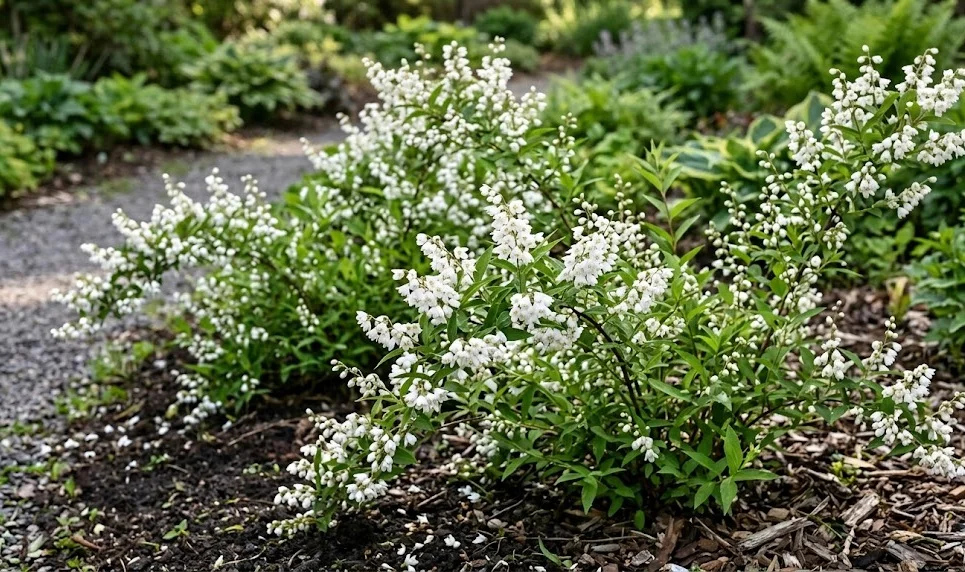

The delicate white blooms of this shrub represent one of the most enchanting sights in a spring garden. Establishing a successful care routine starts with a commitment to understanding what this specific plant needs to flourish in its environment. You will find that regular attention to detail significantly improves the overall health and visual appeal of the foliage. Every gardener can achieve professional results by following a systematic approach to maintenance throughout the calendar year.
Maintaining the aesthetic beauty of this plant involves more than just occasional pruning or watering sessions. It requires a keen eye for subtle changes in leaf color and stem strength that indicate nutritional status. You should strive to create a stable environment where the shrub can establish deep roots and a resilient structure. When you prioritize consistency, the plant rewards you with an abundance of flowers that last for several weeks.
Professional landscapes often feature this variety because it offers a reliable performance with relatively low intervention compared to other ornamental species. However, low maintenance does not mean no maintenance, and specific seasonal tasks remain essential for long-term vitality. You must consider the interaction between light exposure, soil moisture, and local temperature variations when planning your garden tasks. A holistic view of the plant’s ecosystem is the hallmark of an expert gardener.
Preparation for the growing season begins well before the first buds appear on the slender branches. You need to assess the structural integrity of the shrub after the winter dormancy period has concluded. Removing any dead or damaged wood ensures that the plant directs its energy toward new, productive growth. This foundational step sets the stage for a spectacular floral display that defines the early summer garden.
Environmental factors for success
The placement of your shrub dictates much of its future health and the quality of its flowering cycle. You should choose a location that provides protection from the strongest afternoon sun while still allowing for bright light. Air circulation is equally important to prevent the buildup of moisture that can lead to various foliage issues. Observing how the wind moves through your garden will help you find a sheltered yet airy spot for planting.
More articles on this topic
Temperature fluctuations play a significant role in how the shrub manages its energy reserves during the year. While it is quite hardy in many regions, extreme heat or late spring frosts can stress the delicate new growth. You might notice that the plant responds better to steady conditions rather than rapid shifts in the local microclimate. Providing a bit of extra mulch can help insulate the roots against these environmental stressors effectively.
Humidity levels in your area will also influence how often you need to check on the plant’s health. In very dry climates, you might find that the leaves lose their turgidity more quickly without supplemental moisture. Conversely, in very humid regions, ensuring that the foliage dries out quickly after rain is a priority for preventing disease. Balancing these factors requires a deep understanding of your specific garden’s climate and layout.
Designing a garden around this shrub allows you to take advantage of its graceful, arching habit and soft texture. You can pair it with taller perennials or evergreen backdrops to make the white flowers stand out even more. The way the plant occupies space should be considered when you are first mapping out your landscape design. Proper planning ensures that the shrub has enough room to reach its mature size without crowding its neighbors.
Soil and nutrition management
The quality of the ground where you plant your shrub is the most critical factor in its long-term development. A well-draining soil rich in organic matter provides the necessary foundation for a strong root system. You should avoid heavy clay that retains too much water, as this can lead to serious root health problems over time. Testing your soil before planting allows you to make the necessary amendments to create an ideal growing medium.
More articles on this topic
Organic compost is an excellent tool for improving the texture and fertility of the soil in your garden beds. By mixing in well-rotted material, you provide a slow-release source of nutrients that supports steady growth throughout the season. You will notice that the plant responds with more vigorous stems and a deeper green color in its foliage. Healthy soil also supports beneficial microbial life that helps the plant absorb essential minerals more efficiently.
Maintaining a stable pH level is another professional tip for ensuring that your shrub remains in peak condition. While this variety is somewhat adaptable, it generally prefers slightly acidic to neutral conditions for optimal nutrient uptake. You can use simple home testing kits to monitor the acidity levels of your garden soil once or twice a year. If the soil becomes too alkaline, you may need to apply specific soil conditioners to bring it back into balance.
Mulching around the base of the plant serves multiple purposes that contribute to soil health and plant vigor. A thick layer of bark or wood chips helps to suppress weeds that would otherwise compete for valuable nutrients. It also keeps the root zone cool during the heat of summer and retains moisture more effectively between watering sessions. Over time, the mulch breaks down and further enriches the soil with organic components.
Seasonal maintenance routines
As spring transitions into summer, your focus should shift toward supporting the heavy blooming period of the shrub. You will find that the plant consumes more energy during this time, making regular observation essential for success. Checking the hydration levels of the soil every few days ensures that the flowers do not wilt prematurely in the heat. A consistent schedule helps the plant maintain its graceful form without showing signs of environmental stress.
After the flowering stage has concluded, the shrub enters a phase of vegetative growth that is vital for the following year. This is the perfect time to evaluate the overall shape of the plant and decide if any minor adjustments are needed. You can clear away spent blossoms to keep the garden looking tidy and professional throughout the late summer months. Proper care during this transition period ensures that the plant remains a structural asset to your landscape.
Autumn brings a slowing of growth as the shrub prepares for its natural period of dormancy in the colder months. You should gradually reduce the frequency of your maintenance tasks to allow the plant to harden off effectively. Cleaning up fallen leaves around the base of the shrub helps to reduce the risk of pests overwintering in the debris. This proactive approach to hygiene is a key part of an expert gardening strategy for a healthy spring start.
Winter care is mostly passive, but it remains important to monitor the shrub for any physical damage from snow or ice. If you live in an area with heavy winter precipitation, you might need to gently brush off excessive weight from the branches. Protecting the crown of the plant with additional mulch provides an extra layer of security against deep freezes. Once the ground thaws, you can begin the cycle again with renewed energy and preparation.
Improving bloom density and quality
If you want to achieve a truly spectacular display of flowers, you must pay attention to the age of the wood on the shrub. The most productive blooming occurs on the growth from the previous year, which means your pruning timing is critical. You should avoid heavy cutting in the early spring, as this would remove the very buds you are waiting to see. Understanding the flowering cycle is what separates a novice gardener from a professional horticulturist.
Light intensity directly impacts the number of flower clusters that the plant will produce each season. While the shrub can grow in shaded areas, a lack of sufficient light will result in a more leggy appearance and fewer blooms. You should try to maximize the morning sun exposure while providing a break from the intense heat of the late afternoon. This balance encourages the plant to allocate its resources toward reproductive growth rather than just reaching for more light.
Supplemental feeding during the early spring can give the plant the extra boost it needs for a dense floral show. Using a balanced fertilizer that is slightly higher in phosphorus can promote more prolific budding across the entire structure. You should follow the application instructions carefully to avoid over-fertilizing, which can lead to excessive leaf growth at the expense of flowers. A measured approach to nutrition yields the most aesthetically pleasing results in the long run.
Monitoring the overall density of the branches allows you to ensure that light reaches the inner parts of the shrub. When the center of the plant becomes too crowded, the interior leaves and buds may fail to develop properly. You can selectively thin out some of the oldest stems after the flowering season to encourage new, vigorous growth from the base. This practice keeps the shrub looking youthful and maintains a high density of flowers year after year.
Space management and garden design
When incorporating this shrub into your landscape, you must account for its ultimate spread and height at maturity. It is tempting to plant items closely for an immediate effect, but this can lead to competition for light and nutrients later on. You should research the specific dimensions of the variety you have chosen and leave ample room for it to expand. Proper spacing allows each plant to showcase its natural, arching form without being distorted by its neighbors.
Using the shrub as a low hedge or border creates a professional look that defines different areas of your garden. Its dense foliage and compact habit make it an ideal choice for lining pathways or separating flower beds. You can achieve a very clean and organized aesthetic by planting a row of these shrubs at consistent intervals. The uniform growth habit ensures that the border remains attractive even when the plant is not in bloom.
The texture of the leaves provides a soft, fine-grained appearance that contrasts beautifully with bolder architectural plants. You might consider placing it in front of darker evergreens to create a sense of depth and visual interest in your borders. During the winter, the fine, twiggy structure of the shrub adds a different kind of beauty to the sleeping garden. Thinking about the four-season appeal of your design is essential for a high-quality landscape.
If you have a smaller garden, this variety is particularly useful because of its manageable size and slow to moderate growth rate. You can easily keep it contained within a specific area with only minimal intervention once or twice a year. It also works well in large containers on patios or balconies, provided that you manage the watering more closely. Versatility is one of the reasons why this plant remains a favorite among professional garden designers.
Long term health and vitality
Ensuring that your shrub lives a long and healthy life requires a commitment to observing the plant throughout its entire lifespan. As the shrub ages, the stems can become woodier and less productive if they are not managed correctly. You should plan on a rejuvenation strategy every few years to keep the plant’s energy levels high and its form attractive. A well-maintained specimen can remain a centerpiece of the garden for many decades with the right care.
Developing a deep root system is the best defense against environmental challenges like drought or extreme cold. You can encourage this by watering deeply and less frequently rather than providing shallow, daily sprinkles. This technique forces the roots to grow further down into the soil where moisture levels are more stable. A resilient root structure is the foundation of a plant that can survive and thrive regardless of weather patterns.
Keeping a gardening journal can help you track the performance of your shrub and identify any recurring issues or successes. You might note the dates when the first blossoms appear and compare them to previous years to understand local climate trends. Recording when you applied fertilizer or performed major pruning tasks helps you maintain a professional schedule. This level of documentation allows you to refine your care techniques over time for even better results.
Ultimately, the goal of expert care is to work with the natural tendencies of the plant rather than against them. You will find the most success when you choose the right plant for the right place and provide for its basic needs consistently. Watching the shrub grow and change through the seasons provides a sense of accomplishment and connection to the natural world. With professional care, your garden will continue to be a source of beauty and inspiration for years to come.