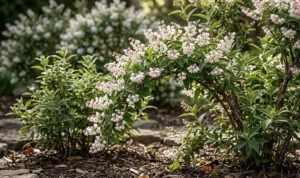
Pruning is a vital tool for managing the vigor of the creeping bellflower and ensuring it remains a beautiful addition to the garden rather than an unruly invader. A professional approach to cutting back this plant involves both aesthetic considerations and practical population control. By mastering the timing and techniques of pruning, you can extend the flowering season and keep the plant’s growth in check. Understanding when and how to reach for your pruners is a fundamental part of expert care for this resilient perennial.
Deadheading for aesthetics and control
Deadheading, the process of removing spent flowers, is perhaps the most important pruning task for the creeping bellflower. As the individual bells fade, they begin to form seed pods that can produce thousands of seeds if left on the plant. By cutting away these faded flowers, you prevent the plant from scattering its offspring throughout your garden and into the wild. This proactive step is essential for anyone who wants to enjoy the beauty of the plant without dealing with its invasive potential.
Beyond seed control, deadheading also encourages the plant to maintain its visual appeal throughout the summer. Removing the brown, withered flowers keeps the flower spikes looking clean and vibrant for as long as possible. In some cases, prompt deadheading can even stimulate the plant to produce a second, smaller flush of flowers from the lower axils of the stems. This professional technique allows you to get the maximum value out of the plant’s natural flowering cycle.
When deadheading, you can either remove individual flowers as they fade or cut back the entire stalk once most of the blooms are gone. If the majority of the bells on a spike have finished, it is usually more efficient to cut the whole stem back to the basal foliage. Use sharp, clean bypass pruners to make a clean cut just above a leaf node or at the base of the plant. A clean cut heals more quickly and reduces the risk of introducing diseases into the plant’s vascular system.
Consistency is the key to successful deadheading, as new flowers are constantly opening and fading during the peak season. A quick walk through the garden once or twice a week with your pruners is usually enough to keep everything under control. This regular attention not only helps the plants but also allows you to stay connected with the health and progress of your garden. A well-deadheaded bellflower stand is a hallmark of a professional and attentive gardener.
More articles on this topic
Structural pruning for health and vigor
While deadheading focuses on the flowers, structural pruning involves managing the overall shape and density of the plant’s foliage. In the early summer, if the stems are becoming too crowded, you can selectively thin out some of the growth to improve air circulation. This is a vital practice for preventing fungal diseases like rust or powdery mildew that thrive in stagnant, humid air. Removing about one-third of the stems in a dense clump can make a significant difference in the health of the remaining plant.
If your bellflowers have become leggy or are flopping over due to low light, a mid-season trim can help. Cutting the stems back by about half their height before they start to flower can encourage a more compact and sturdy growth habit. While this may delay the flowering slightly, the resulting display will be more robust and less likely to require staking. Professional gardeners often use this technique to maintain a neat appearance in formal garden settings.
You should also use structural pruning to remove any damaged, diseased, or pest-infested foliage as soon as you notice it. Cutting away these problem areas prevents the issue from spreading to the rest of the plant and keeps the garden looking its best. Always clean your tools with a disinfectant after pruning a diseased plant to avoid cross-contamination. This high standard of hygiene is a professional requirement for maintaining a healthy and resilient landscape.
In late summer, after the main flowering period has ended, you can give the entire colony a light shearing to refresh the foliage. This removes any tired or sun-scorched leaves and encourages a fresh growth of healthy green basal leaves that will last into the autumn. This rejuvenation cut helps the plant look tidy for the remainder of the season and prepares it for the final cleanup before winter. A professional approach to structural pruning is about balance, health, and maintaining the desired form of the plant.
More articles on this topic
Rejuvenation and winter cutbacks
As the growing season comes to an end in late autumn, the final major pruning task is the winter cutback. Once the foliage has turned yellow or brown and the plant has entered its natural dormant phase, you should cut all the stems back to ground level. This removes the old, spent growth and prepares the area for a fresh start in the spring. Leaving the old stems through the winter can provide a haven for pests and diseases, so a thorough cutback is recommended.
Removing the old growth also makes it easier to apply a protective layer of mulch over the crown of the plant for the winter. This mulch helps to regulate soil temperature and protects the roots from the damaging effects of frost heaving. In the spring, the new shoots will find it much easier to emerge through the clear, mulched ground without having to push through old debris. A professional autumn cleanup is a crucial investment in the next year’s gardening success.
For older, overcrowded colonies that have lost their vigor, a more aggressive form of rejuvenation pruning may be necessary. This involves digging up the entire plant every few years and dividing the root mass into smaller, healthier sections. While not a traditional “pruning” of the stems, this rejuvenation of the root system is vital for long-term health and flowering. Replanting only the most vigorous parts of the root ensures that the colony remains productive and beautiful for many years.
Finally, always remember that the creeping bellflower is a resilient plant that responds well to pruning at almost any time during the growing season. Do not be afraid to be assertive with your pruners if the plant is getting out of hand or looks untidy. With regular care and a professional approach to cutting back, you can master this species and enjoy its beauty on your own terms. Pruning is the ultimate expression of the gardener’s control over the dynamic and ever-changing environment of the landscape.