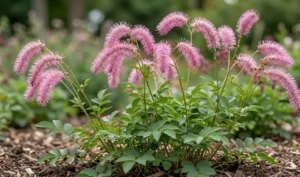
Creeping bellflower is exceptionally hardy, but taking the time to prepare it for winter ensures a much stronger and more vibrant return in the spring. In many regions, the plant can survive extreme temperatures with very little help, but professional care involves minimizing stress during the dormant season. By protecting the root system and managing moisture levels during the cold months, you can prevent common winter issues like crown rot or frost heaving. Understanding the transition into dormancy is the first step in successful overwintering for this resilient perennial.
Winter dormancy preparation
As the daylight hours shorten and the first frost approaches, the creeping bellflower will naturally begin to pull its energy from the leaves and stems down into its roots. You will see the foliage turn yellow and eventually brown, which is a clear signal that the plant is entering its dormant phase. It is best to wait until the foliage has completely died back before cutting the stems to the ground. This allows the plant to maximize its nutrient storage, which is critical for surviving a long, cold winter.
Once you have cut the stalks back, clear away any dead leaves and debris from the base of the plant to prevent pests from nesting there. This also helps to reduce the risk of fungal diseases lingering in the area until the next growing season. A clean area around the crown of the plant makes it easier to apply protective mulch and monitor the ground through the winter. This initial cleanup is a standard professional practice that sets the stage for a healthy spring emergence.
While the plant is dormant above ground, the root system remains active at a much slower pace, especially in the early winter. It is important to ensure the soil has adequate moisture before the ground freezes solid, as dry roots are more susceptible to cold damage. If the autumn has been particularly dry, a thorough watering before the first deep freeze can be very beneficial. A professional approach to dormancy involves providing the best possible start for the hidden parts of the plant.
Understanding the hardiness zone of your specific location is also vital when preparing for winter. While this species is generally hardy to very low temperatures, extreme conditions may require extra layers of protection. In areas with unpredictable weather, being prepared for the worst-case scenario is always a wise strategy. A little extra effort in late autumn can save a lot of disappointment when the growing season begins again.
More articles on this topic
Ground insulation techniques
In regions where the soil undergoes frequent freeze-thaw cycles, protecting the roots with a layer of insulation is highly recommended. This process, often called mulching, helps to maintain a more consistent soil temperature throughout the winter months. A layer of shredded bark, wood chips, or even pine needles can provide an effective barrier against the cold. Aim for a thickness of about two to three inches, spreading it evenly over the area where the roots are located.
One of the main dangers of winter is frost heaving, which occurs when the ground expands and contracts, pushing the plant’s crown and roots out of the soil. This exposure to the cold air can quickly kill even the hardiest of perennials. A thick layer of mulch helps to mitigate this by acting as a shock absorber for the soil. If you notice any roots becoming exposed during a thaw, you should gently press them back into the earth and add more mulch.
For particularly cold or exposed sites, you might also consider using evergreen boughs or straw as an additional layer of protection. These materials provide extra insulation without packing down too tightly, allowing for some air circulation near the surface. They can be easily removed in the spring once the danger of severe frost has passed and the new shoots begin to appear. Professional gardeners often use a combination of materials to achieve the best results for their specific climate.
It is also important to consider the location of your bellflowers in relation to winter winds and snow drifts. Plants in very open, windy areas may dry out faster and experience more cold stress than those in sheltered spots. If necessary, a temporary windbreak made of burlap or a small fence can provide significant protection. These extra steps demonstrate a professional level of care that goes beyond the basic needs of the plant to ensure its long-term health.
More articles on this topic
Water management in dormancy
Managing moisture during the winter is a delicate balance that often gets overlooked by amateur gardeners. While the plant does not need as much water as it does during the summer, it should never be allowed to dry out completely. If you live in an area where the ground does not freeze for long periods, you may need to provide supplemental water during dry winter spells. This is especially true for plants located under eaves or in other areas that do not receive natural rainfall or snow.
Conversely, overwatering or poor drainage during the winter can be just as damaging as drought. If the soil remains waterlogged while the temperatures are low, the fleshy roots of the bellflower can quickly begin to rot. Ensuring that your planting site is well-draining is the best preventative measure against this type of winter loss. If you notice water pooling in the area, you may need to adjust the grade or improve the soil structure before the next winter.
Snow can actually be a beneficial source of moisture and insulation if it remains on the ground for an extended period. As it slowly melts, it provides a steady supply of water to the roots without overwhelming them. However, heavy snow piles from shoveling or plowing can be too much for the plant and should be avoided if possible. A professional understands the role of snow in the winter garden and manages it to the plant’s advantage.
In the late winter, as the ground begins to thaw, you should resume regular monitoring of the soil moisture levels. The plant will soon be ready to start its new growth, and having adequate hydration is key to a strong beginning. Avoid the temptation to water heavily while the ground is still icy, as the water will simply run off and not reach the roots. A professional approach to winter watering is patient, observant, and responsive to the actual conditions of the soil.
Potted specimens in winter
If you are growing creeping bellflower in containers, they require a different approach to overwintering than those in the ground. Potted plants are much more exposed to the cold because the soil volume is smaller and the roots are not insulated by the mass of the earth. In many cases, a container-grown bellflower that is hardy in the ground may not survive the winter in a pot without protection. To ensure success, you should consider moving the pots to a more sheltered location for the season.
An unheated garage, shed, or basement that stays above freezing but remains cool is often the ideal spot for dormant potted plants. In these locations, the plant will stay dormant without being subjected to the most extreme outdoor temperatures. You will still need to check the soil moisture every few weeks to ensure the pot does not dry out completely. A small amount of water once a month is usually sufficient to keep the roots alive during their winter sleep.
If moving the pots indoors is not an option, you can bury the containers directly in the ground or group them together in a sheltered corner. Surrounding the pots with bags of leaves, straw, or mulch can provide the necessary insulation to protect the roots from freezing solid. Wrapping the pots themselves in several layers of burlap or bubble wrap is another common professional technique for winter protection. The goal is to keep the soil temperature as stable as possible until the spring arrives.
In the spring, wait until the weather has stabilized before moving the pots back to their permanent locations. Gradually reintroduce them to the sun and outdoor air over a period of a week to avoid shocking the new growth. Once the danger of frost has passed, you can resume your regular watering and fertilizing routine for the new season. Managing potted bellflowers through the winter is a bit more work, but it allows for a beautiful floral display in areas where ground planting is not possible.