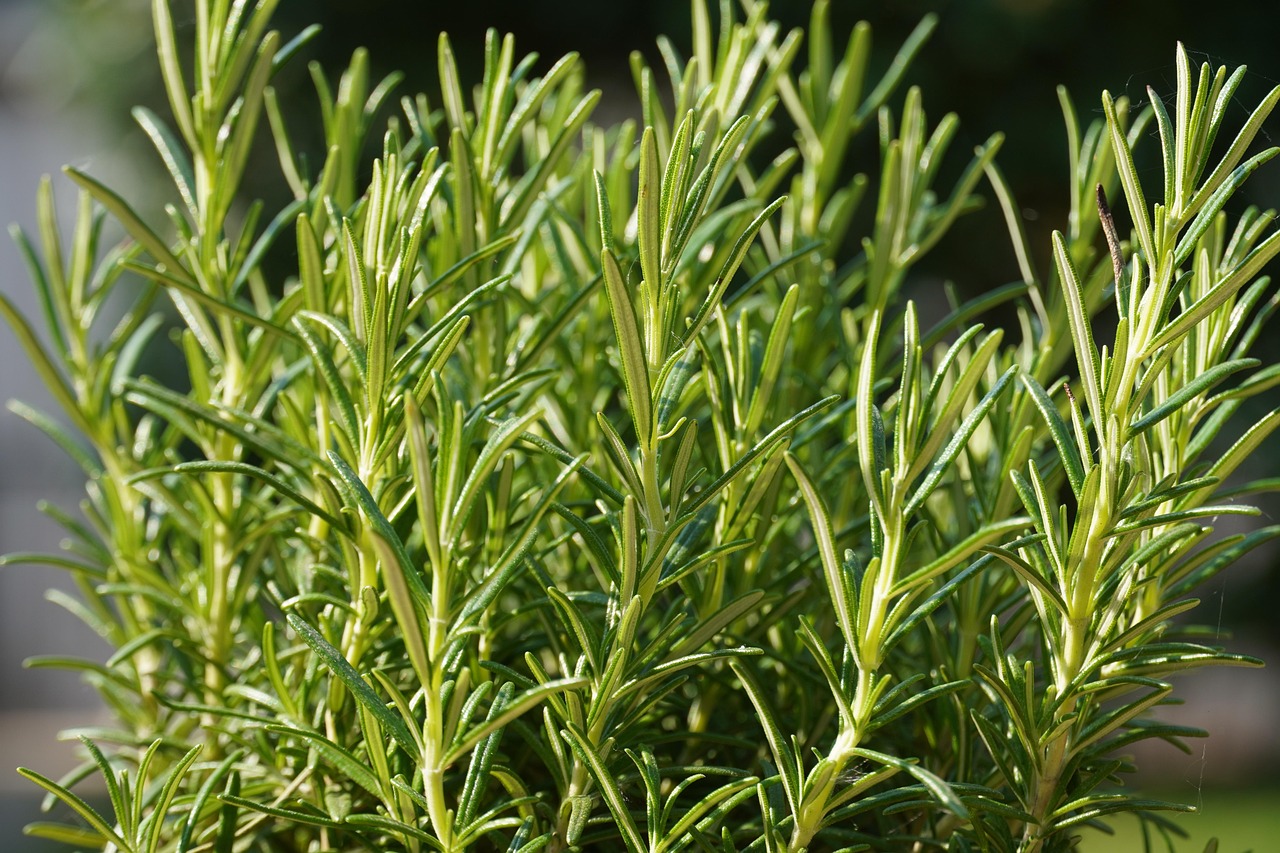
Pruning is an essential and rewarding aspect of rosemary care, serving multiple purposes that go far beyond simple harvesting. A thoughtful approach to trimming and shaping this aromatic shrub is crucial for maintaining its health, encouraging dense and bushy growth, and preventing it from becoming sparse and overly woody with age. Regular pruning not only provides a steady supply of fresh, flavorful sprigs for culinary use but also acts as a vital tool for managing the plant’s size and form. Mastering a few basic pruning techniques will ensure your rosemary remains a productive, vigorous, and attractive feature in your garden for many years.
The importance of regular pruning
Regular pruning is fundamental to cultivating a rosemary plant that is not only productive but also aesthetically pleasing. Without periodic trimming, rosemary has a natural tendency to become leggy and woody. The plant will continue to grow from the tips of its branches, leaving the lower portions to become bare, brown, and unproductive over time. This results in a sparse, top-heavy shrub that lacks the lush, full appearance that is so desirable. Consistent pruning counteracts this tendency by stimulating new growth from points lower down on the stems.
This stimulation of new growth is one of the primary benefits of the practice. Each time you snip off the tip of a branch, the plant is encouraged to send out multiple new shoots from just below the cut. This process, known as “pinching” or “tipping,” is the key to creating a dense, bushy plant. By regularly trimming the ends of the branches all over the shrub, you promote a compact and well-branched structure, ensuring the plant is covered in fresh, vibrant, and aromatic foliage from top to bottom. This is best done throughout the spring and summer growing season.

Special tips for this topic
Beyond shaping the plant, pruning plays a vital role in its long-term health. Trimming away any dead, damaged, or diseased branches as soon as you see them helps to prevent the spread of potential problems and keeps the plant’s energy directed towards healthy growth. Furthermore, selective pruning to thin out the center of a dense shrub improves air circulation through its foliage. This increased airflow is critical for preventing fungal diseases like powdery mildew, which thrive in stagnant, humid conditions. A well-pruned plant is a healthier plant.
Finally, regular pruning is intrinsically linked to harvesting. Every time you gather some rosemary for the kitchen, you are effectively performing a light pruning session. This symbiotic relationship means that the more you use your rosemary, the better its shape and health will be. This constant, gentle trimming is far more beneficial to the plant than letting it grow unchecked for a long period and then attempting a single, drastic cutback.
More articles on this topic
The best time and techniques for pruning
The timing of your pruning activities is crucial for the health and recovery of the rosemary plant. The most significant structural pruning or heavy trimming should be done in the spring, after the plant has finished its flowering cycle. Pruning at this time allows the plant to take full advantage of the entire growing season to recover and produce a flush of new growth. Avoid performing heavy pruning in the late fall or winter, as this can stimulate tender new shoots that will be vulnerable to damage from frost and cold temperatures.
For light pruning and harvesting, you can trim your rosemary at any time during its active growing season, from spring through summer. When you are trimming, always use sharp, clean pruning shears, scissors, or a knife. A clean cut will heal more quickly and is less likely to become a site for disease to enter the plant. It is a good practice to sterilize your pruning tools with rubbing alcohol before you begin, especially if you are moving between different plants.
The fundamental technique for pruning rosemary is to always cut just above a leaf node or a point where a side branch emerges. This is where the plant has dormant buds that will be stimulated to grow after the cut is made. The most important rule to remember is to avoid cutting back into the old, brown, bare wood at the base of the plant. Rosemary does not readily sprout new growth from this old wood, and cutting a branch back to a point where there are no leaves will likely result in that branch dying back completely.
When shaping the plant, step back periodically to look at its overall form. Aim to trim it evenly on all sides to maintain a balanced, natural shape. Don’t be afraid to also reach into the center of the shrub and trim a few of the inner branches. This helps to open up the plant’s structure, which, as mentioned, is excellent for improving air circulation and allowing sunlight to penetrate deeper into the foliage.
More articles on this topic
Rejuvenating an overgrown woody plant
It is a common scenario for gardeners to inherit or encounter a rosemary plant that has been neglected for several years and has become very large, woody, and sparse, with green growth only at the very tips of long, bare branches. While rejuvenating such a plant is challenging, it is not always impossible, though it requires a patient and careful approach. The key is to encourage the plant to produce new growth from lower down on its woody stems, which must be done gradually.
The rejuvenation process should begin in the spring. Start by identifying the longest and most overgrown woody stems. Trace these stems back and look for any small side shoots or latent buds that might be present on the woody portions. Your goal is to cut these long branches back, but only to a point just above a visible side shoot, no matter how small it is. This existing green growth is your insurance policy that the branch will be able to produce new shoots from that point.
It is critical not to cut back more than one-third of the plant’s total mass in a single year. A drastic cutback can be too much of a shock for an old plant to handle and may kill it. Instead, adopt a multi-year strategy. In the first year, focus on cutting back the most problematic third of the branches. The following spring, after the plant has had a full season to recover and grow, you can prune back another third of the old, woody stems. This gradual renewal gives the plant time to respond and build up its strength.
After pruning, it is important to provide the plant with good care to support its recovery. Ensure it is watered properly during dry spells and consider applying a light dose of a balanced, half-strength fertilizer in the spring to provide the nutrients it needs to produce new growth. With patience and proper technique, you can often successfully rejuvenate an old, woody rosemary, transforming it back into a more compact, attractive, and productive shrub over the course of two to three seasons.

Regular pruning is the single best way to extend the lifespan of a rosemary plant. If you let it go for several years without trimming, the base becomes incredibly woody and won’t produce new growth from the old wood. I always aim to remove about one-third of the new growth in the spring to encourage a bushy habit. You should also be careful not to prune too late in the autumn, as this can stimulate new growth that won’t have time to harden off before the first frost. This soft growth is very susceptible to cold damage and can weaken the entire plant. A light touch and good timing are the secrets to a beautiful shrub.
I’ve been wondering about the best way to “rejuvenate” an old, leggy rosemary bush that was neglected by the previous homeowners. Is it possible to cut it back into the woody stems, or is that a death sentence for the plant? I’ve heard conflicting advice on this, with some saying rosemary never recovers from hard pruning. Perhaps it’s better to prune it in stages over several seasons to avoid shocking the system. I would love to save this plant as it has a fantastic, thick trunk that would look great if the foliage were denser. Any tips on how much I can safely remove in one go?
Fiona, cutting back into the old, brown wood of a rosemary is indeed very risky. Unlike some other shrubs, rosemary doesn’t have many dormant buds in the old wood, so it might not sprout back at all. Your idea of a multi-year approach is much safer and more likely to succeed. Try removing just one or two of the oldest, leggiest branches each year, cutting them back to where there is still some green growth. This encourages the plant to direct its energy into new shoots from the remaining healthy areas. It takes patience, but it’s the only way to save a mature specimen without killing it.