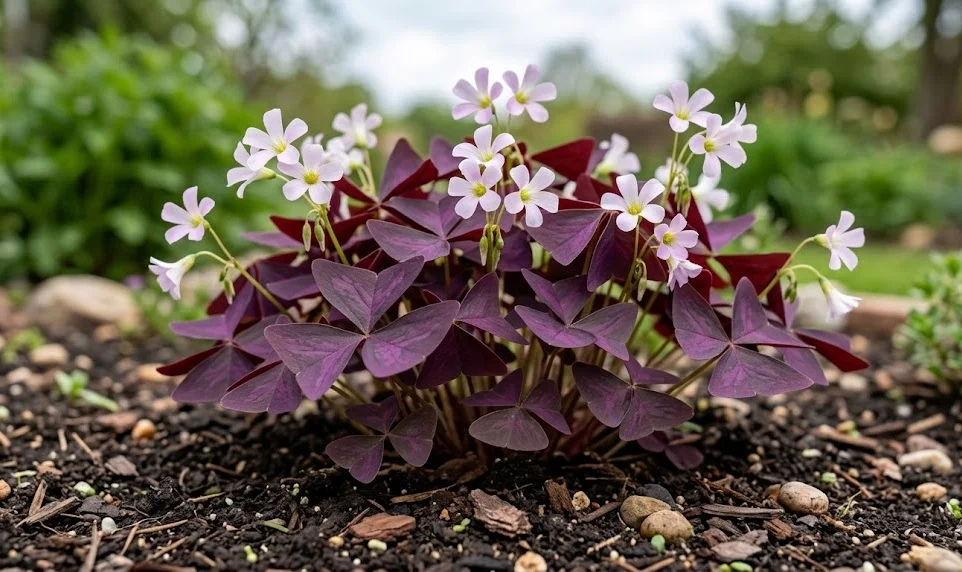

While wood sorrel is generally considered a resilient genus, it is not entirely immune to the pressures of various pathogens and insect intruders. Understanding the specific threats that can compromise its health is a fundamental skill for any professional gardener or dedicated hobbyist. Early detection is the most effective way to prevent a minor issue from escalating into a widespread infestation or a terminal disease. By maintaining optimal cultural conditions and conducting regular inspections, you can ensure your plants remain vibrant and free from the most common horticultural setbacks.
Identifying common fungal infections
One of the most frequent fungal issues encountered with wood sorrel is rust, which manifests as small, orange or yellow pustules on the undersides of the leaves. This disease thrives in humid conditions with poor air circulation and can quickly spread across a dense colony of plants. Affected leaves may eventually turn brown and fall off prematurely, weakening the overall vigor of the specimen. To manage rust, it is essential to remove and destroy any infected foliage immediately and improve the airflow around the remaining healthy plants.
Powdery mildew is another fungal pathogen that can occasionally affect the foliage, appearing as a white, flour-like dusting on the leaf surfaces. This typically occurs when the days are warm and the nights are cool and humid, creating the perfect microclimate for the spores to germinate. While it is rarely fatal, it significantly detracts from the plant’s aesthetic and can inhibit photosynthesis if the coverage becomes extensive. Treating the plant with a mild fungicide or a homemade solution of baking soda and water can often bring the situation under control.
Leaf spot diseases, caused by various fungal or bacterial organisms, appear as dark, water-soaked lesions that may have a yellow halo. These spots can coalesce, leading to large areas of necrotic tissue and eventual leaf drop. Prevention is primarily centered around keeping the foliage dry during watering and ensuring that the plant is not under environmental stress. If spots appear, pruning away the damaged parts and applying a copper-based fungicide can help prevent the further spread of the infection to new growth.
Fungal spores are often present in the soil or carried by the wind, making complete avoidance difficult in any garden or home setting. The best defense is to maintain a clean growing area by removing fallen leaves and other organic debris that can harbor pathogens over winter. Healthy plants with strong cell walls are naturally more resistant to fungal attack, so consistent care is your first line of defense. By monitoring the leaves regularly, you can catch these issues in their earliest stages before they require aggressive chemical intervention.
More articles on this topic
Bacterial and rot issues
Root and bulb rot are arguably the most serious threats to wood sorrel, as they often go unnoticed until the damage is irreversible. These issues are almost always the result of overwatering or poorly draining soil, which allows anaerobic bacteria and water molds like Pythium to flourish. Symptoms include a sudden wilting of the entire plant despite moist soil, or a foul odor emanating from the container. If you suspect rot, you must immediately lift the plant and inspect the bulbs, discarding any that are soft, slimy, or discolored.
Crown rot is a similar condition that affects the point where the stems emerge from the bulbs, often caused by water sitting in the center of the plant. The stems may turn black and mushy at the base, causing the foliage to collapse outward. This is particularly common in varieties with very dense leaf clusters that trap moisture after overhead watering or heavy rain. To prevent this, always direct water to the soil surface and ensure the plant has enough space for the crown to dry out between hydration cycles.
Bacterial soft rot can spread rapidly through the fleshy tissues of the bulbs, turning them into a liquid pulp in a matter of days. This pathogen often enters through wounds caused by improper handling, pest damage, or contaminated gardening tools. There is no effective cure for a bulb that has fully succumbed to bacterial rot, so the focus must be on prevention and sanitation. Always sterilize your pruning shears with alcohol between plants and handle the dormant bulbs with care to avoid creating entry points for disease.
Improving the physical environment is the most effective way to combat bacterial and rot-related problems in the long term. Using specialized potting mixes with high porosity and selecting containers with ample drainage holes can drastically reduce the risk of stagnant water. In garden beds, amending heavy soils with grit or creating raised mounds can provide the necessary elevation to keep the “feet” of the plants dry. A professional grower knows that moisture management is the foundation of disease prevention for all bulbous species.
More articles on this topic
Management of insect pests
Aphids are small, sap-sucking insects that can congregate on the tender new growth and flower buds of wood sorrel. They cause distortion of the leaves and can secrete a sticky substance known as honeydew, which often leads to the growth of sooty mold. While a few aphids are rarely a major concern, their populations can explode under the right conditions, leading to significant stunted growth. A sharp blast of water from a spray bottle or the application of insecticidal soap is usually enough to clear an infestation.
Spider mites are microscopic pests that thrive in hot, dry environments, making them a common problem for indoor plants during the winter heating season. They feed on the underside of the leaves, causing a characteristic stippling or bronzing effect and, in severe cases, fine webbing between the stems. Because they are so small, you may notice the damage before you actually see the mites themselves. Increasing the local humidity and regularly wiping down the foliage with a damp cloth can help deter these pests from establishing a colony.
Thrips are another tiny insect that can plague wood sorrel, feeding on the leaf tissue and causing silvery streaks or distorted flowers. They are highly mobile and can be difficult to eliminate once they have spread throughout a collection of plants. Blue or yellow sticky traps can be used to monitor their presence and capture adult insects, while consistent treatment with neem oil can help disrupt their life cycle. Keeping the growing area free of weeds, which can act as alternate hosts for thrips, is an important preventative measure.
Scale insects and mealybugs may occasionally target the stems and leaf axils, appearing as small bumps or cottony white tufts. These pests are protected by waxy coatings, making them more resistant to standard contact sprays than other common insects. For a small number of pests, dabbing them individually with a cotton swab soaked in rubbing alcohol is an effective and non-toxic solution. For more widespread issues, a systemic insecticide may be necessary to reach the insects that are tucked away in the plant’s intricate folds.
Chemical and organic treatments
When a pest or disease issue becomes too large to handle manually, selecting the right treatment is the next professional step. Organic options are often preferred for home use and include products like neem oil, horticultural oils, and sulfur-based fungicides. These treatments work by physically smothering insects or creating an environment where fungal spores cannot germinate. They are generally safer for beneficial insects and the surrounding environment but may require more frequent applications to be fully effective.
Chemical pesticides and fungicides provide a more potent solution but should be used as a last resort and with strict adherence to the manufacturer’s instructions. Systemic products are absorbed by the plant and provide long-lasting protection from within, which is particularly useful for hidden pests like thrips or scale. However, care must be taken to avoid applying these products when the plant is in bloom to protect visiting pollinators. Always wear appropriate protective gear and treat the plants in a well-ventilated area to ensure your own safety during the process.
Biological controls, such as introducing predatory mites or ladybugs, offer a sustainable way to manage pest populations in greenhouses or large garden settings. These “beneficials” feed on common pests like aphids and spider mites, providing a natural balance that reduces the need for chemical intervention. This approach requires a bit more knowledge of insect life cycles but can be incredibly rewarding and effective for long-term pest management. It is a cornerstone of Integrated Pest Management (IPM), a strategy that combines multiple techniques for the best results.
Regardless of the treatment method chosen, consistency is the key to successfully eliminating a persistent pest or disease. Most insects have life cycles that include egg and larval stages that may be resistant to initial treatments, requiring follow-up applications to break the cycle. Similarly, fungal spores can remain dormant in the soil or on plant surfaces, necessitating a full course of treatment to prevent a resurgence. Patience and diligence are the hallmarks of a professional approach to maintaining a healthy and beautiful plant collection.
Cultural prevention strategies
The most effective way to manage pests and diseases is to prevent them from occurring in the first place through superior cultural practices. A plant that is receiving the correct amount of light, water, and nutrients is inherently more resilient and better able to fight off potential threats. Stress is often the primary factor that invites opportunistic pests or pathogens to take hold. By creating an environment where the wood sorrel can flourish, you are naturally reducing the likelihood of ever needing to reach for a bottle of pesticide.
Quarantining new plants before adding them to your main collection is a vital practice that can save you from a lot of future headaches. Spend at least two weeks observing a new acquisition for any signs of movement or unusual leaf spots that might indicate a hidden problem. This simple step prevents the accidental introduction of pests like spider mites or thrips into your clean growing areas. It is also a good time to check the soil and roots for any signs of rot or unwanted hitchhikers.
Sanitation is another critical component of a professional prevention strategy, particularly when it comes to tools and containers. Always wash pots thoroughly with a mild bleach solution before reusing them to kill any lingering spores or insect eggs. Keep your pruning shears sharp and clean, wiping them down with alcohol between each plant you maintain. This prevents the mechanical transfer of viruses and bacteria from one specimen to another, ensuring that your maintenance routine doesn’t inadvertently cause harm.
Finally, regular and thorough inspections are the most important habit a gardener can develop for long-term plant health. Take the time to look under the leaves and inside the dense clusters of foliage where pests like to hide. Early detection of a few aphids or a single rust spot allows for a quick and easy fix that doesn’t disrupt the plant’s growth. Being proactive rather than reactive is the professional standard for excellence in horticulture, ensuring that your wood sorrel remains a highlight of your garden.