
Cultivating wood sorrel requires a nuanced understanding of its unique growth patterns and seasonal requirements to ensure a healthy display. While many varieties are prized for their clover-like foliage and delicate flowers, they are not typical houseplants and follow a distinct cycle of activity and rest. Success begins with recognizing that these plants are often bulbous or tuberous, which dictates much of their care routine throughout the year. Gardeners must balance environmental stability with the plant’s inherent need for periodic dormancy to maintain vigor over several seasons.
Understanding the growth cycle
The most critical aspect of caring for these plants is acknowledging their natural tendency to enter a state of dormancy after a period of active growth. During this time, the foliage may begin to yellow or wilt, which is often misinterpreted by novice gardeners as a sign of illness or dehydration. Instead of increasing water, one must gradually reduce moisture to allow the bulbs to rest securely in the soil without rotting. This cycle typically repeats once or twice a year depending on the specific variety and the local climate conditions.
A healthy plant will show vibrant leaf color and consistent flowering when its environmental needs are met during the active phase. The leaves are known for their nyctinastic movements, meaning they close at night and open during the day in response to light levels. This rhythmic behavior is a clear indicator of the plant’s vitality and its interaction with the surrounding environment. If the leaves stop responding to light changes, it may be time to evaluate the overall health and placement of the pot.
Temperature plays a significant role in how well the plant thrives during its peak growing months. Most varieties prefer a cool to moderate environment where daytime temperatures do not exceed comfortable room levels significantly. If the air becomes too hot or stagnant, the plant may prematurely enter dormancy as a survival mechanism against heat stress. Maintaining a consistent temperature range helps the foliage remain lush and prevents the stems from becoming overly leggy or weak.
General maintenance involves more than just monitoring environmental factors; it also includes regular observation for any changes in growth habits. Removing spent flowers and occasional yellow leaves helps keep the plant looking tidy and prevents the buildup of organic debris. This simple practice also encourages the plant to direct its energy toward new leaf production and bulb strengthening. A proactive approach to care ensures that the wood sorrel remains a standout feature in any collection or garden bed.
More articles on this topic
Optimal soil conditions
Selecting the right growing medium is essential for preventing the common issue of bulb rot in these sensitive species. A well-draining potting mix that incorporates perlite, coarse sand, or bark is generally preferred over standard heavy garden soil. This structure allows oxygen to reach the root system while ensuring that excess water can escape the container quickly. Without proper drainage, the delicate tubers can easily succumb to fungal pathogens that thrive in anaerobic, waterlogged conditions.
The acidity of the soil can also influence the overall health and color intensity of the foliage in certain varieties. Most wood sorrel species prefer a slightly acidic to neutral pH range, typically between 6.0 and 7.0 for optimal nutrient uptake. If the soil becomes too alkaline, the plant may exhibit signs of chlorosis, where the leaves turn pale while the veins remain green. Gardeners can use organic amendments like peat moss or specialized fertilizers to maintain the ideal chemical balance in the substrate.
Compaction is another enemy of successful cultivation, especially for plants kept in the same container for multiple years. Over time, the fine particles in the soil can settle, reducing the pore space necessary for healthy root development and gas exchange. Periodically refreshing the top layer of soil or repotting every few seasons can mitigate this issue and provide fresh nutrients. It is important to handle the bulbs gently during this process to avoid physical damage to the growing points.
For outdoor plantings, integrating organic matter such as compost can improve soil structure and provide a slow-release source of nutrition. The organic components help retain just enough moisture to keep the bulbs hydrated without creating a swampy environment. In heavy clay areas, creating raised beds or amending the soil extensively is necessary to ensure the survival of the plant during rainy periods. Proper soil preparation is the foundation upon which all other care routines are built for long-term success.
More articles on this topic
Indoor versus outdoor management
When grown as a houseplant, wood sorrel thrives in locations that provide bright, filtered light without the intensity of direct midday sun. Indoor environments offer more stability in terms of temperature, but the lack of natural air movement can sometimes lead to issues. Placing the plant near a window with a sheer curtain often provides the perfect balance of light and protection from scorching heat. It is also important to keep the plant away from drafty areas or direct paths of heating and cooling vents.
Outdoor cultivation allows the plant to experience natural shifts in light and humidity, which can lead to more robust growth and flowering. In temperate climates, they are often used as seasonal groundcovers or accent plants in rock gardens and borders. However, one must be mindful of the local frost dates, as many popular ornamental varieties are not cold-hardy and will perish in freezing temperatures. Providing a sheltered spot can extend the growing season and protect the delicate foliage from heavy rain or wind.
Humidity requirements vary among species, but most appreciate a moderate level of moisture in the air. Indoor air, particularly during the winter months, can become excessively dry, causing the leaf edges to turn brown or crisp. Using a humidity tray or grouping plants together can create a microclimate that benefits the wood sorrel’s soft leaf structure. Conversely, outdoor plants usually benefit from natural dew and ambient humidity, provided there is adequate spacing to prevent stagnant air.
Transitioning a plant from indoors to outdoors requires a gradual acclimation period known as hardening off. Sudden exposure to intense sunlight or fluctuating outdoor temperatures can shock the plant and lead to significant leaf drop or sunburn. Start by placing the pot in a shaded, protected area for a few hours each day, slowly increasing the duration and light intensity over a week. This careful transition ensures the plant can adapt to the new conditions without compromising its aesthetic or health.
Managing seasonal transitions
As the days shorten and temperatures drop, the wood sorrel will naturally begin to signal its intent to enter a rest period. This transition is marked by a slowdown in flower production and a gradual yellowing of the older leaves. It is vital for the gardener to follow the plant’s lead rather than trying to force continued growth through heavy watering or fertilization. Recognizing these early signs of dormancy is the key to ensuring the bulbs remain healthy for the following season.
During the peak of summer, some varieties may also go dormant if the heat becomes too extreme for their physiological processes. This summer dormancy is a protective measure and should be treated similarly to winter rest by reducing inputs and moving the plant to a cooler spot. Once the temperatures moderate, the plant will often send up new shoots quite rapidly, signaling the end of its temporary slumber. Monitoring the weather and the plant’s response allows for a more tailored approach to seasonal care.
Spring is the time for renewal, as the first signs of green growth emerge from the seemingly empty soil or dormant bulbs. As soon as new sprouts are visible, it is time to resume a regular watering schedule and provide plenty of bright light. This initial burst of energy requires a stable environment to ensure the new stems are strong and not elongated or weak. This is also the best time to check the soil for any pests that might have overwintered with the bulbs.
Autumn care focuses on preparing the plant for the upcoming cold months, whether it stays in the ground or moves inside. For those in colder zones, this often means lifting the bulbs or moving containers into a frost-free area like a garage or basement. The goal is to keep the bulbs dry and cool but not freezing, preserving their energy for the next growth cycle. Clear labeling of containers and bulbs during this phase is helpful for planning the garden layout in the following year.
Foliage and floral aesthetics
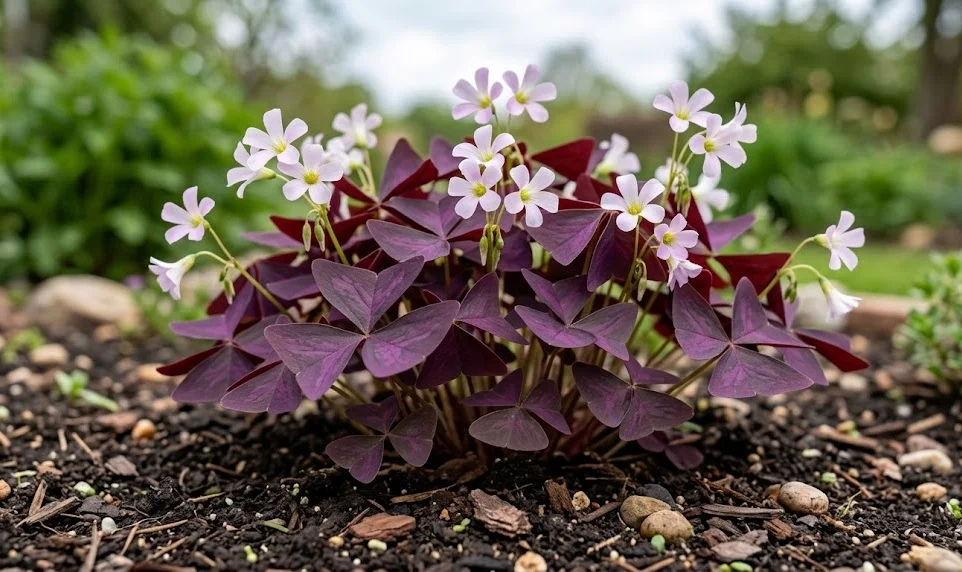
The aesthetic appeal of wood sorrel lies in its symmetrical leaf patterns and the vibrant colors that many cultivars provide. From deep purples and burgundies to bright neon greens, the foliage often provides more visual interest than the flowers themselves. Maintaining this color requires consistent light levels, as too much shade can cause the vibrant pigments to fade or turn green. Conversely, too much direct sun can wash out the colors or cause unsightly bleached patches on the delicate leaf surfaces.
The flowers are typically small, five-petaled, and produced in clusters that hover just above the foliage on slender stalks. While individual blooms may not last long, a healthy plant will produce a succession of flowers over several weeks or even months. To keep the plant looking its best, remove the flower stalks once the blooms have faded and the stems start to sag. This prevents the plant from wasting energy on seed production and maintains a compact, tidy appearance throughout the blooming season.
Leaf movement, or nyctinasty, is one of the most charming features of this genus and adds a dynamic element to the garden. This folding and unfolding of leaves is a response to changes in light intensity and serves to protect the plant from excessive moisture loss at night. Seeing the plant “wake up” in the morning is a rewarding experience for any gardener and indicates that the plant is functioning normally. It is a biological marvel that reinforces the living connection between the plant and its environment.
Consistent grooming is essential for maintaining the high aesthetic standards expected in professional horticulture and home gardening alike. Removing any damaged or diseased leaves promptly prevents the spread of pathogens and keeps the plant’s energy focused on healthy tissue. Small, sharp scissors are the best tool for this task to ensure clean cuts that heal quickly without tearing the stems. A well-groomed wood sorrel displays its intricate leaf geometry to its fullest potential, creating a sophisticated visual effect.
Environmental stability and stress
Plants thrive best when their environmental conditions remain relatively stable without sudden, drastic fluctuations in light, temperature, or moisture. Stress can manifest in various ways, such as leaf dropping, stunted growth, or a complete lack of flowering during the active season. By providing a consistent baseline of care, the gardener allows the plant to build up the reserves necessary to handle minor variations. A resilient plant is much better equipped to recover from accidental neglect or unexpected weather events.
Air quality and circulation are often overlooked factors that can significantly impact the health of delicate foliage. In stagnant environments, moisture can sit on the leaves for too long, creating a breeding ground for mildews and other fungal issues. Simple measures like using a small fan or ensuring adequate spacing between pots can improve airflow and reduce the risk of disease. Outdoor plants should be situated where natural breezes can move through the canopy without causing physical damage to the stems.
Soil temperature is just as important as air temperature, particularly for the development and health of the underground bulbs. Extreme cold or heat in the root zone can damage the sensitive tissues and disrupt the plant’s ability to take up water and nutrients. Using mulches outdoors or selecting thick-walled ceramic pots for indoor plants can help insulate the roots against rapid temperature changes. Keeping the root zone within a comfortable range promotes steady growth and helps the plant maintain its internal balance.
Light quality also plays a role in the plant’s stress levels, as the spectrum of light available can influence growth habits. For example, a lack of blue light can cause the plant to become “leggy,” where the stems grow excessively long and weak in search of light. Providing a full-spectrum light source if natural light is insufficient will help maintain the compact, mounded shape that many gardeners find desirable. Understanding these subtle environmental cues allows for a more sophisticated and successful approach to plant care.
Longevity and long-term health
To ensure the longevity of wood sorrel, it is important to treat it as a perennial rather than a temporary decorative item. With proper care and attention to its dormancy cycles, a single plant can provide beauty for many years through its ability to replicate its bulbs. Periodically dividing the bulb clusters not only prevents overcrowding but also provides fresh starts for new plants. This rejuvenation process is vital for maintaining the vigor of older specimens that may have become less productive over time.
Monitoring the health of the bulbs during the dormant phase is a key part of long-term success. Bulbs should feel firm and heavy for their size; any that are soft, shriveled, or show signs of mold should be discarded immediately. Storing them in a breathable medium like dry peat or vermiculite prevents them from drying out completely while also discouraging rot. This careful stewardship of the dormant phase is what separates expert growers from those who struggle with these unique plants.
Integrating wood sorrel into a broader gardening strategy involves understanding its role within the ecosystem of your home or yard. Because it is relatively low-maintenance once its basic needs are met, it serves as an excellent companion to more demanding species. Its ability to fill in gaps with dense, colorful foliage makes it a versatile tool for landscape design and interior decorating. Viewing the plant as part of a larger, living system encourages a more holistic and sustainable approach to gardening.
Finally, documenting the growth patterns and responses of your specific variety can provide invaluable insights for future care. Keeping a simple garden journal helps you remember when the plant entered dormancy, how long it rested, and what environmental factors seemed to trigger its best performance. This personal record becomes a specialized guide tailored to your unique growing conditions and the specific needs of your wood sorrel. Continuous learning and observation are the hallmarks of a dedicated and successful horticulturist.