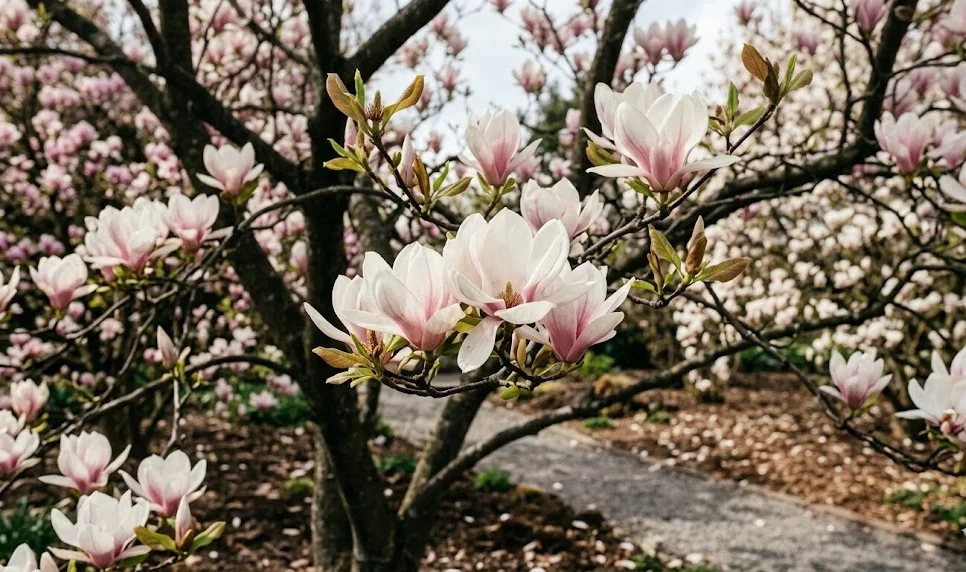

Preparing these magnificent trees for the challenges of the cold season is a critical task for any gardener living in temperate climates. While many varieties are quite hardy, the transition into and out of dormancy can be a period of significant vulnerability for the plant. Protecting the delicate root systems and the sensitive bark from extreme temperature fluctuations is essential for long-term health. A professional overwintering strategy involves both physical protection and careful seasonal management of the tree’s internal physiological state.
As the days grow shorter and the temperatures begin to drop, the tree naturally begins to enter its dormant phase. You should notice the growth slowing down and the leaves of deciduous types starting to change color and eventually fall. This is a vital process where the tree moves its energy reserves from the foliage down into the root system and the woody structures. Providing support during this transition helps the tree build the resilience it needs to survive the freezing months ahead.
One of the most important aspects of winter care is ensuring that the tree is well-hydrated before the ground freezes solid. Evergreen varieties are particularly susceptible to winter desiccation because they continue to lose moisture through their leaves even when the roots cannot take it up. A deep watering in late autumn, after the leaves have fallen but before the first hard freeze, is highly recommended. This moisture reservoir in the soil will help the plant maintain its internal hydration throughout the winter.
Avoiding late-season fertilization is another key part of the preparation process for the coming cold. Applying nitrogen-rich feeds in late summer or autumn can stimulate the growth of soft, tender shoots that will not have time to harden off. These new growths are extremely vulnerable to frost damage and can serve as an entry point for diseases during the winter. By allowing the tree to slow its growth naturally, you ensure that the wood is strong and ready for the freezing temperatures.
Protecting young and sensitive trees
Young specimens are much more vulnerable to winter damage than established ones due to their thinner bark and smaller root systems. One common issue is sunscald, which occurs when the winter sun warms the bark during the day, causing cells to become active again. When the temperature drops rapidly at night, these active cells freeze and die, leading to cracked and peeling bark on the south side of the trunk. Wrapping the trunk of young trees with a light-colored tree guard or burlap can prevent this damaging cycle.
More articles on this topic
Frost heaving is another danger for newly planted trees, where the repeated freezing and thawing of the soil can actually push the plant out of the ground. This exposes the sensitive roots to the air and can lead to rapid desiccation and death of the plant. Maintaining a thick, three-to-four-inch layer of organic mulch around the base of the tree is the best way to prevent this. The mulch acts as an insulator, keeping the soil temperature more stable and preventing the rapid fluctuations that cause heaving.
In areas prone to heavy snowfall, the weight of the snow can sometimes break the relatively brittle branches of these trees. You can provide some structural support for smaller trees by loosely wrapping them with burlap or using a light frame. If snow does accumulate on the branches, it is best to gently brush it off using an upward motion to avoid putting even more stress on the wood. Never try to break off ice that has frozen onto the branches, as this will almost certainly cause more damage than the ice itself.
For the most sensitive or borderline hardy varieties, you might consider creating a temporary windbreak to protect them from the coldest winter gusts. Harsh winter winds can significantly increase the rate of moisture loss from the stems and evergreen leaves, leading to “winter burn.” A simple structure made of stakes and burlap placed on the windward side of the tree can provide a much-needed microclimate. This extra layer of protection can often be the difference between survival and death for a prized specimen in a cold winter.
Managing winter damage
Despite your best efforts, some winter damage may still occur, especially after an unusually severe or long cold snap. You might notice “dieback,” where the tips of the branches turn black or brown and fail to produce new growth in the spring. It is important to wait until the tree has fully leafed out before you begin pruning away any suspected dead wood. This ensures that you aren’t accidentally removing branches that are simply slow to break dormancy after a hard winter.
More articles on this topic
Late spring frosts are often more damaging than the middle of winter because the tree has already started to wake up. If the flower buds have begun to swell or the new leaves are emerging, a sudden freeze can kill these tender tissues instantly. If a frost is predicted after growth has started, you can cover small trees with frost blankets or old sheets to provide a few degrees of protection. Remember to remove these covers as soon as the sun comes up to prevent the plant from overheating underneath.
Cracks in the trunk or major branches should be monitored closely as the tree begins to grow again in the spring. While many trees can heal over small winter cracks on their own, larger wounds can provide an entry point for pests and pathogens. Avoid using “pruning paint” or wound dressings, as these can actually trap moisture and encourage rot rather than helping the tree. Instead, ensure the tree has adequate water and nutrients to support its natural healing processes during the growing season.
If an evergreen variety shows significant browning of the foliage in the spring, it is likely a sign of winter desiccation or wind burn. In many cases, the buds themselves may still be alive even if the old leaves look terrible. Be patient and give the tree time to push out new growth and shed the damaged foliage naturally. Providing a light application of a balanced fertilizer and consistent moisture in early spring will help the tree recover from the stress of a hard winter.
Recovery and spring transition
The transition from winter dormancy to spring growth is a delicate time when the tree’s metabolic needs increase rapidly. As the soil warms up, the roots begin to actively take up water and nutrients once again to support the developing buds. You should gradually remove any winter wraps or protection as the danger of extreme cold passes, but keep them ready just in case. Cleaning up the area around the base of the tree by removing any old, matted mulch or debris is a great way to start the season.
Checking the moisture levels in the soil is particularly important during a dry spring, as the tree needs plenty of water for its blooming phase. If the winter was dry or the ground is thawing without much rain, you should start supplemental watering early in the season. A well-hydrated tree will produce larger, more vibrant flowers and will be better prepared for the intense growth period ahead. This early attention sets the tone for the entire year and helps the tree overcome any lingering winter stress.
Applying a fresh layer of organic mulch in early spring is one of the most beneficial things you can do for a recovering tree. This new mulch will help retain the spring moisture and provide a slow-release source of nutrients as it begins to break down. It also helps to keep the soil temperature stable as the days get warmer, protecting the shallow roots from sudden heat. Make sure the mulch is not piled up against the trunk, as this is even more dangerous in the damp conditions of spring.
Finally, take the time to observe the overall performance of the tree and compare it to previous years. Note which varieties handled the winter better and which ones might need a more protected location in the future. Gardening is a constant learning process, and each winter provides valuable data on how to better care for your unique collection. By refining your overwintering techniques each year, you ensure that your trees remain a beautiful part of your landscape for many decades to come.