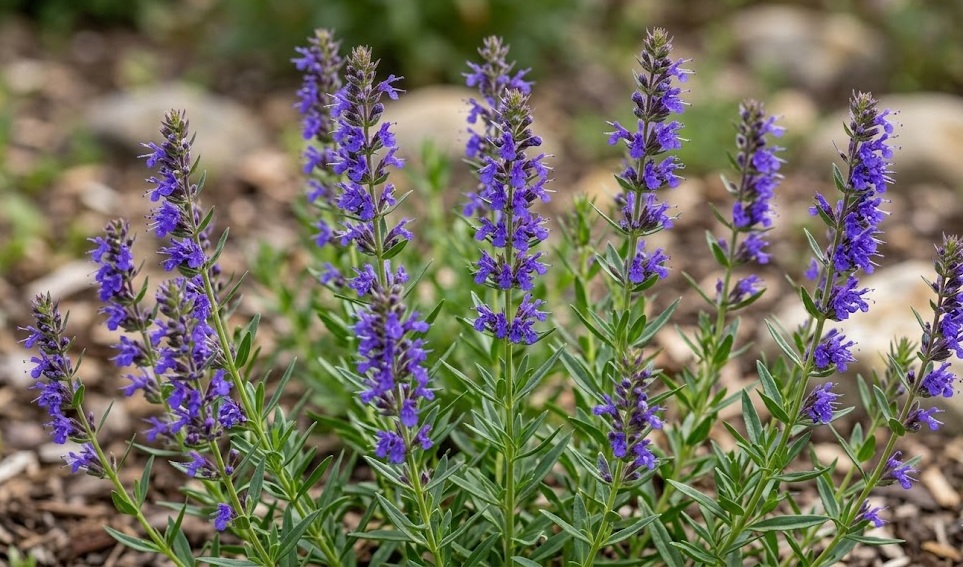

Preparing hyssop for the winter months is a critical phase of the annual care cycle that ensures the perennial returns with vigor in the spring. While this herb is naturally hardy in many temperate zones, it still faces significant challenges from extreme temperatures and erratic weather patterns. A professional approach involves a combination of structural protection and strategic timing to help the plant transition into its dormant state safely. By taking a few proactive steps in the autumn, the gardener can safeguard their investment and maintain the long-term health of the herb collection.
The primary threat during the winter is not always the cold itself, but rather the combination of freezing temperatures and excessive moisture in the soil. Hyssop’s roots are particularly susceptible to rot if they are forced to sit in cold, waterlogged earth for extended periods. Ensuring that the planting site has excellent drainage is the most important factor in a successful overwintering strategy. If the garden is prone to standing water, it may be necessary to move the plants to a more suitable location or improve the soil structure before the first frost arrives.
Dormancy is a natural and necessary part of the hyssop’s life cycle, allowing the plant to rest and rebuild its energy stores for the following year. As the days shorten and temperatures drop, the plant will naturally begin to slow its metabolic processes and shed its older foliage. It is important to respect this process and avoid any actions that might encourage new, tender growth late in the season. A plant that has properly entered dormancy is much better equipped to handle the stresses of a harsh winter than one that is still trying to grow.
In regions with particularly severe winters, additional measures like mulching or physical covers may be required to protect the crown of the plant. However, even in milder climates, a basic cleanup of the surrounding area can go a long way in preventing pest and disease issues during the dormant period. The goal is to create a stable and clean environment where the herb can rest without being disturbed by environmental extremes or biological threats. Consistent winter care is a hallmark of a dedicated and professional horticultural practice.
Preparing for the first frost
As the first frost of the autumn approaches, it is time to perform a final inspection of the hyssop plants to assess their overall health. Any weak or diseased stems should be removed to prevent them from becoming a source of infection during the damp winter months. It is generally recommended to leave most of the healthy top growth in place, as it can provide a small measure of natural insulation for the crown. This “standing dead” material also provides a habitat for beneficial insects that may be overwintering in your garden.
More articles on this topic
Stop all fertilization at least six to eight weeks before the expected first frost date to allow the plant to harden its tissues. High-nitrogen feeds late in the season can stimulate soft, green growth that is easily destroyed by freezing temperatures, creating entry points for pathogens. Gradually reducing the amount of supplemental water also helps signal to the plant that it is time to prepare for dormancy. These cultural adjustments are essential for ensuring that the plant’s internal chemistry is ready for the upcoming shift in climate.
Cleaning up fallen leaves and organic debris from the base of the plant is a simple but effective way to improve airflow and reduce humidity. This prevents the formation of “micro-climates” that could harbor fungal spores or provide a hiding place for rodents looking for a winter food source. Keeping the soil surface clean also makes it easier to apply mulch if it becomes necessary later in the season. A tidy garden in the autumn is much easier to manage when the spring thaw finally arrives.
If you have young plants that were started late in the season, they may need extra attention as they have not yet developed a robust root system. Consider providing them with a temporary windbreak or a light covering on the coldest nights to help them through their first winter. Older, established plants are usually much more resilient and can handle a light frost with no intervention. Understanding the specific needs of each plant based on its age and vigor is key to a professional overwintering plan.
Protection strategies for harsh winters
In areas where temperatures regularly drop well below freezing, a thick layer of organic mulch can be a lifesaver for the root system. Materials like straw, evergreen boughs, or shredded bark are excellent choices because they insulate the soil while still allowing it to breathe. Apply the mulch after the ground has frozen to prevent rodents from nesting in the warm soil and chewing on the plant’s crown. A layer of ten to fifteen centimeters is usually sufficient to buffer the roots against the most extreme temperature fluctuations.
More articles on this topic
Avoid using heavy, matted materials like whole wet leaves, as these can trap too much moisture and lead to crown rot. The goal of mulching is to maintain a consistent soil temperature and prevent the damaging cycle of freezing and thawing that can heave plants out of the ground. In the spring, it is important to remove the mulch gradually as the weather warms to allow the soil to heat up and the new shoots to emerge. This careful management of the root environment is essential for the survival of Mediterranean herbs in northern climates.
Physical barriers such as burlap wraps or snow fences can be used to protect hyssop from the desiccating effects of cold winter winds. Wind chill can strip moisture from the evergreen or semi-evergreen leaves faster than the dormant roots can replace it, leading to winter burn. Placing a few stakes around the plant and wrapping them with burlap creates a sheltered micro-environment without trapping excessive heat. This method is particularly useful for plants located in exposed, windy sites or near coastal areas.
In regions with heavy snowfall, the snow itself can act as a wonderful natural insulator, keeping the ground at a steady temperature near freezing. However, heavy, wet snow can also break the brittle stems of the hyssop if it is allowed to accumulate too much. Gently brushing off excessive snow after a major storm can help prevent structural damage to the plant’s woody frame. If the plant does suffer some breakage, wait until the spring to perform any major pruning to avoid exposing tender tissue to further cold.
Indoor overwintering alternatives
For those living in climates far outside the hyssop’s natural hardiness zone, bringing the plants indoors for the winter may be the only option. This is best done with plants that are already grown in containers, as digging up established garden plants can cause significant root trauma. Choose a cool, bright location such as an unheated sunroom or a south-facing windowsill where the temperature stays above freezing. The goal is to keep the plant in a state of slow growth or semi-dormancy rather than forcing it into active spring-like growth.
Watering requirements change dramatically when a plant is moved indoors, and the risk of overwatering is significantly higher. The potting mix should be allowed to dry out significantly between waterings, as the plant’s transpiration rate is much lower in the cool indoor air. Avoid placing the herb near heat vents or radiators, which can cause the foliage to dry out too quickly and attract spider mites. A saucer filled with pebbles and water can be placed near the plant to provide a small amount of ambient humidity without saturating the roots.
Indoor plants should not be fertilized during the winter months, as this can lead to weak, “leggy” growth that will struggle once moved back outside. If the plant begins to look a bit sparse or loses some leaves, do not worry, as this is a normal reaction to the lower light levels indoors. Keep a close eye out for common indoor pests like whiteflies or aphids, which can thrive in the stagnant air of a home. A gentle wash with plain water is often enough to keep these pests under control until the spring.
As the days begin to lengthen in late winter, the plant will start to show signs of new growth, indicating that it is waking up from its rest. This is the time to start gradually increasing the amount of water and perhaps providing a very light application of organic fertilizer. Before moving the plant permanently back to the garden, it must be “hardened off” by spending increasing amounts of time outdoors each day. This transition period allows the plant to toughen its leaves and adjust to the intensity of direct sunlight and wind.
Spring recovery monitoring
As the temperatures begin to rise and the soil thaws, the first task is to remove any protective covers or heavy mulch from the hyssop beds. Doing this too early can expose new shoots to late spring frosts, but waiting too long can lead to rot and fungal issues. Watch for the first signs of green buds emerging from the woody stems, which is a sure sign that the plant has survived the winter. This is an exciting time for the gardener, as it marks the beginning of a new growing season and the success of the overwintering efforts.
Once the new growth is well-established, you can prune away any stems that did not survive the winter or were damaged by snow and wind. Cut back to just above a healthy green bud to encourage the plant to fill out and maintain a compact, attractive shape. This light spring pruning also helps to improve airflow and light penetration into the center of the plant. Avoid cutting into the very old, thick wood unless absolutely necessary, as it may not produce new shoots as readily as younger stems.
Check the soil around the base of the plant for any signs of heaving, where the freezing and thawing cycle has pushed the root ball out of the ground. If this has happened, gently press the plant back into place and add a bit of fresh soil or compost to protect any exposed roots. A thorough watering after the first cleanup will help settle the soil and provide the moisture needed for the initial burst of spring growth. This attention to detail ensures that the plant starts the season on a solid foundation.
Monitoring the garden for early-season pests like slugs and snails is also important as they can make quick work of the tender new hyssop shoots. Keeping the area free of debris and using organic barriers can help protect the vulnerable young growth during the damp spring weeks. As the sun grows stronger, the plant will quickly regain its vibrant color and begin to produce the aromatic oils for which it is known. A successful overwintering process is the bridge that connects one productive year to the next in the life of a professional herb garden.