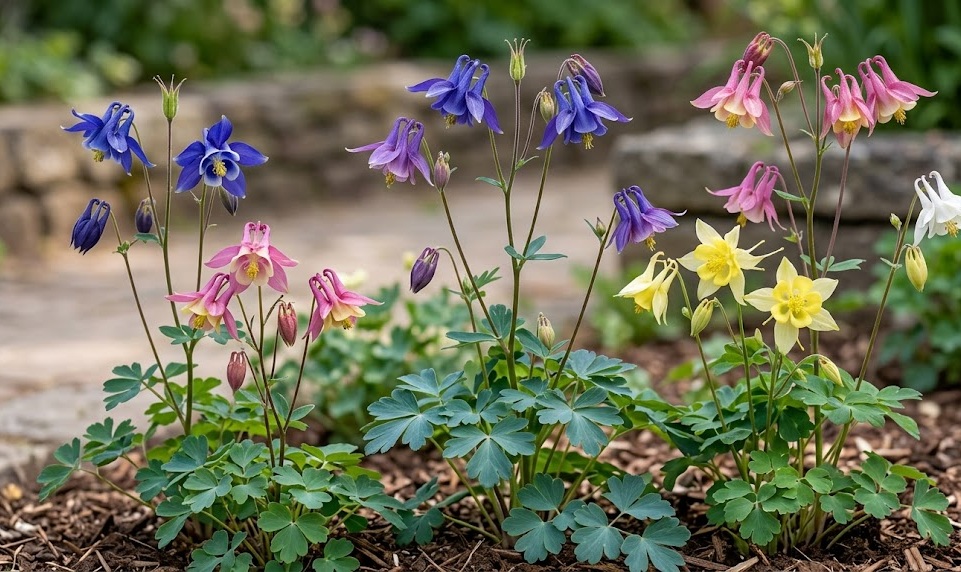

Proper hydration and nutrient management are the twin pillars of maintaining healthy and prolific columbine in any horticultural setting. While these plants are relatively adaptable, their performance is significantly enhanced when their specific physiological needs are met with precision. Understanding the balance between providing enough moisture and avoiding waterlogged conditions is essential for preventing root-related issues. Likewise, a targeted fertilization strategy ensures that the plants have the energy required for their complex floral structures without causing excessive leaf growth.
Hydration strategies for different seasons
The water requirements of columbine fluctuate significantly as they move through their annual growth cycle. In the early spring, as the new foliage begins to push through the soil, consistent moisture is vital to support this rapid expansion. The soil should feel like a wrung-out sponge—moist to the touch but not dripping with excess water. During this period, natural rainfall is often sufficient, but supplemental watering may be needed during dry springs.
As the temperatures rise in late spring and early summer, the demand for water increases as the plant prepares to bloom. This is the time to monitor the garden daily, especially if the plants are located in areas that receive more direct sunlight. Watering early in the morning allows the foliage to dry before evening, which is a key practice for preventing fungal infections. Deep watering once or twice a week is generally more effective than frequent light sprinkles, as it encourages roots to grow deeper.
During the dormant periods of late summer and winter, the plant’s need for supplemental water decreases dramatically. If the foliage has died back after the heat of summer, the roots still require occasional hydration, but they are much more sensitive to rot. Overwatering during dormancy is a common mistake that can lead to the loss of the entire plant. In many regions, natural winter precipitation is more than enough to keep the dormant crowns healthy until the following spring.
Adjusting your watering technique based on your specific soil type is also a professional necessity. Heavy clay soils retain moisture for much longer and require less frequent watering than sandy soils, which drain rapidly. You should always check the moisture level a few inches below the surface before deciding to add more water. Using a soaker hose or drip irrigation system is an excellent way to deliver water directly to the root zone while keeping the leaves dry.
More articles on this topic
The importance of soil drainage and structure
Columbines are notoriously sensitive to “wet feet,” a condition where the roots sit in stagnant water for extended periods. This lack of oxygen in the root zone can quickly lead to the death of the delicate feeder roots and the central taproot. To prevent this, the soil structure must be porous enough to allow excess water to move away quickly. Incorporating grit, coarse sand, or organic matter into heavy soils can significantly improve their drainage capacity.
The physical arrangement of your garden beds can also impact how water moves around your plants. Creating slightly mounded planting areas or using raised beds can help move water away from the sensitive crowns. This is particularly important in areas that experience heavy seasonal rains or have naturally high water tables. A well-drained site is the best insurance policy against the various root rots that can plague this species.
Mulching plays a dual role in managing soil moisture and maintaining soil structure over time. A thick layer of organic mulch, such as shredded bark or leaf mold, helps prevent the surface of the soil from crusting over. This ensures that when you do water, it penetrates the surface evenly rather than running off the top. Furthermore, as the mulch decomposes, it adds valuable organic matter that improves the overall health of the soil ecosystem.
If you find that your soil stays consistently too wet despite your best efforts, you may need to reconsider the placement of your columbines. Sometimes moving them just a few feet to a slightly higher or more sloped area can make all the difference. Observing how water flows through your garden during a heavy rainstorm can provide valuable clues about the best locations for these plants. Professional gardeners always prioritize soil physics when planning a long-term perennial display.
More articles on this topic
Nutritional requirements for optimal blooming
Providing the right nutrients at the right time is essential for producing the vibrant and intricate flowers that columbines are famous for. These plants are not heavy feeders, but they do benefit from a modest boost of energy in the early spring. A balanced, slow-release fertilizer provides a steady stream of nutrients as the plant enters its most active growth phase. Look for a formula that includes essential micronutrients like iron and magnesium for the best results.
Phosphorus is particularly important for columbines, as it plays a key role in root development and flower formation. Using a fertilizer with a slightly higher middle number in the N-P-K ratio can help promote a more spectacular floral display. However, you should avoid excessively high nitrogen levels, which can lead to a surge in green leaves at the expense of blossoms. The goal is to support the plant’s natural balance rather than forcing unnatural growth patterns.
The timing of fertilizer application can be just as important as the type of product you use. The best window for feeding is just as the first new leaves appear in the spring but before the flower stalks begin to elongate. A second, lighter application can be made after the primary bloom has finished if you are hoping for a secondary flush of foliage. Avoid fertilizing late in the summer, as this can interfere with the plant’s natural preparation for winter dormancy.
If you prefer an organic approach, top-dressing the soil with high-quality compost or well-rotted manure is an excellent alternative to synthetic products. These organic amendments release nutrients slowly and improve the soil’s biological activity at the same time. Many growers find that a healthy soil ecosystem provides all the nutrition their columbines need without any additional inputs. Building long-term soil fertility is often more effective than relying on quick-fix chemical solutions.
Managing nutrient delivery methods
The way you apply fertilizer can influence how effectively the plant can utilize the nutrients provided. For granular products, it is important to spread them evenly around the base of the plant rather than piling them against the crown. Scratching the granules lightly into the top layer of soil and then watering thoroughly helps move the nutrients down to the root zone. This prevents the fertilizer from sitting on the surface where it can be washed away or lose its potency.
Liquid fertilizers are another option and can be particularly useful for providing a quick boost to struggling plants. These are typically diluted in water and applied directly to the soil or as a foliar spray, although soil application is preferred for root uptake. Because liquid feeds are more immediately available, their effects are usually seen faster but do not last as long as granular forms. They are excellent for managing specific deficiencies that appear during the peak of the growing season.
When using any fertilizer, it is crucial to follow the manufacturer’s instructions regarding application rates. Over-fertilizing can lead to a buildup of salts in the soil, which can actually damage the roots and hinder water uptake. It can also make the plants more attractive to certain pests, like aphids, which thrive on the tender, nitrogen-rich new growth. A “less is more” philosophy is usually the safest approach when it comes to feeding these delicate perennials.
Monitoring the appearance of the foliage can give you real-time feedback on the success of your fertilization program. Pale or yellowing leaves may indicate a nitrogen deficiency, while poor flowering could suggest a lack of phosphorus. On the other hand, dark green, lush foliage with no flowers often means you have been too generous with nitrogen. Learning to read these signs allows you to fine-tune your approach for each individual plant or garden bed.
Long term soil health and sustainability
Maintaining the health of your columbines over several years requires a focus on sustainable soil management. Regularly adding organic matter is the best way to ensure the soil remains fertile and biologically active. This practice supports the beneficial fungi and bacteria that help the roots absorb nutrients and protect against soil-borne diseases. A living soil is a resilient soil that can better withstand fluctuations in weather and nutrient availability.
If you are growing columbines in containers, the management of water and nutrients becomes even more critical. Potting mixes tend to lose their structure and nutrient content more quickly than garden soil, requiring more frequent intervention. You may need to repot your plants every couple of years to refresh the medium and ensure the roots have enough space to grow. Controlled-release fertilizers are particularly effective for container-grown plants to ensure a steady supply of nutrients.
Water quality can also play a role in the long-term health of your garden, especially in areas with very hard or alkaline tap water. Over time, the minerals in the water can build up in the soil and shift the pH level away from the plant’s preferred range. Using collected rainwater is a wonderful way to provide a more natural and pH-neutral source of hydration. If you must use tap water, occasionally flushing the soil with extra water can help prevent the buildup of unwanted minerals.
In conclusion, the successful watering and fertilization of columbine is about observation and moderation. By paying close attention to the weather, the soil conditions, and the plant’s own signals, you can provide the perfect environment for growth. These plants do not require constant pampering, but they do reward consistent and thoughtful care. The result of your efforts will be a garden full of healthy, vibrant columbines that return to delight you year after year.

