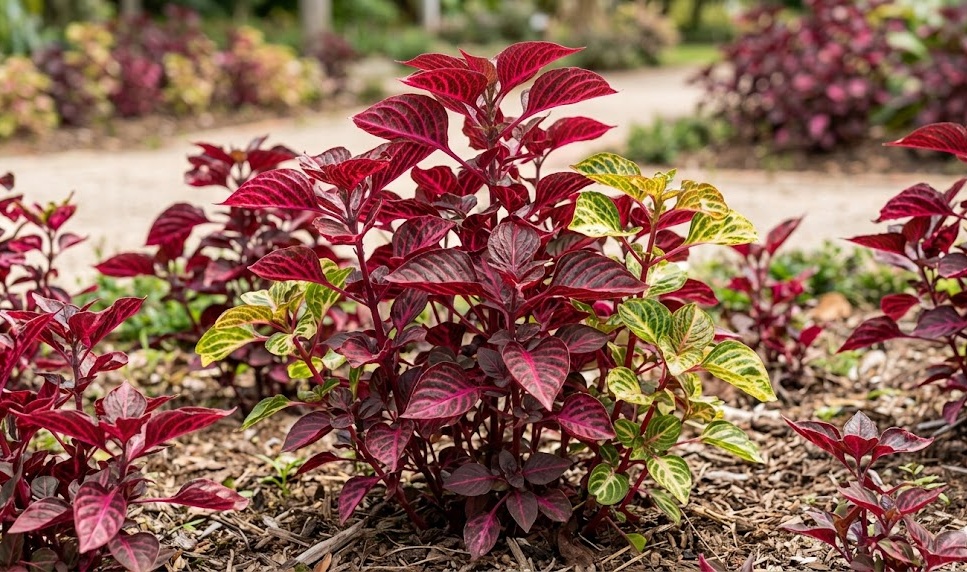

As the growing season draws to a close, you must prepare your bloodleaf for the challenges of winter. This tropical native does not have a natural tolerance for frost or even prolonged periods of cool weather. Successfully overwintering your plant requires a shift in both its environment and your daily care routine. With the right preparation, you can ensure that your colorful companion survives until the spring sun returns.
The primary threat during the winter months is the combination of low light and cold temperatures. You will notice the plant’s growth slowing down significantly as the days become shorter and darker. This is a natural response, and you should not try to force growth with extra fertilizer or heat. Acceptance of this slower pace is the first step in a successful winter maintenance strategy.
Indoor heating can be just as problematic as the cold because it strips the moisture from the air. You might see the edges of the leaves turning brown or the plant looking generally lackluster. Managing the humidity becomes a top priority when the radiators are running at full capacity. Finding a balance between warmth and moisture is the key to keeping the foliage looking its best.
Preparing your plant for the indoor transition should begin well before the first frost is predicted. Sudden changes in temperature and light can cause a dramatic leaf drop that is difficult to recover from. A gradual move allows the plant to adjust its internal chemistry to the new, lower-energy environment. Patience during this transition phase will pay off in a healthier plant come springtime.
Preparing for the cold
Monitoring the outdoor night temperatures is essential as the autumn season progresses toward winter. You should aim to bring your plants inside once the nighttime lows consistently drop below 12 degrees Celsius. Even if there is no frost, these cool temperatures can damage the tropical tissues of the bloodleaf. Acting early is always better than trying to save a chilled plant after a cold snap.
More articles on this topic
Before bringing any plant indoors, you should give it a thorough cleaning and health check. Wash the leaves with a gentle spray of water to remove dust, spider webs, and any hidden insects. Inspect the soil for hitchhikers like ants or slugs that might want to move into your home. This cleaning process ensures that you aren’t bringing unwanted pests into your clean indoor environment.
Trimming back any excessive or leggy growth can make the plant easier to manage during the winter. You don’t want the plant to waste energy maintaining old, damaged leaves in a low-light setting. Focus on keeping the main structure of the plant healthy and compact for the next few months. These cuttings can even be used to start new plants if you have a warm, bright spot for them.
Check the condition of the potting soil to ensure it is not overly compacted or waterlogged before the move. You want the roots to be as healthy as possible before the plant enters its semi-dormant winter state. If the soil is very old, you might consider refreshing the top layer with some fresh, light compost. This provides a small boost of protection and nutrients without triggering a massive growth spurt.
The indoor transition process
Choosing the right indoor location is a decision that will impact the plant’s survival for the next several months. A south or west-facing window usually provides the most consistent light during the dark winter days. However, you must be careful that the plant doesn’t touch the cold glass, which can cause leaf damage. A spot that is bright but protected from direct drafts is the ideal compromise.
More articles on this topic
Humidity levels indoors are often much lower than what the plant experienced outside during the summer. You can help the plant adjust by placing it near a humidifier or on a large tray filled with wet pebbles. Grouping several plants together can also create a small pocket of more humid air through transpiration. This extra moisture helps prevent the leaves from drying out and becoming brittle in the heated air.
Avoid placing your bloodleaf directly near heat sources like radiators, fireplaces, or heating vents. The direct blast of dry, hot air will quickly dehydrate the plant and may lead to a total collapse. Try to find a room that stays at a relatively stable and comfortable temperature throughout the day and night. Consistency is much more important than achieving a high temperature that fluctuates wildly.
Expect some leaf drop as the plant adjusts to the significantly lower light levels found inside a house. This is a normal part of the acclimatization process and should not cause you to panic. The plant is simply shedding the leaves it can no longer support with the available energy. As long as the stems remain firm and new growth looks healthy, the plant is likely doing just fine.
Winter care routines
Watering is the area where most gardeners make mistakes during the long winter months. Because the plant is not growing actively, it requires much less water than it did during the summer. You should allow the top half of the soil to dry out before providing a modest amount of water. Overwatering in winter is the fastest way to cause root rot and the death of the plant.
Stop all fertilization entirely from late autumn until the early signs of spring appear in the new year. Adding nutrients to a dormant plant can lead to a buildup of salts in the soil that damages the roots. The plant cannot use the fertilizer without adequate light, so you are only causing potential harm. Let the plant rest and focus on its survival until the natural growing season returns.
Dust the leaves regularly with a soft, damp cloth to ensure the plant can make the most of the limited light. Dust acts like a filter that blocks precious energy from reaching the photosynthetic cells in the foliage. Keeping the leaves clean also allows you to keep a close eye on any pests that might try to take advantage of the weakened plant. It is a quiet, meditative task that keeps you connected to your garden during the cold months.
If the plant becomes very leggy or starts to lean toward the window, try to rotate it more frequently. You can also provide supplemental lighting with a simple LED grow light if your home is particularly dark. Even a few extra hours of light each day can make a massive difference in the plant’s health and color. Technology can be a great ally in mimicking the tropical sun during a long northern winter.
Returning to spring conditions
As the days begin to lengthen in late February or March, you will notice the first signs of renewed life. Small, bright red buds may start to appear along the stems or at the tips of the branches. This is the signal that you can slowly begin to increase your watering frequency and provide more light. The plant is waking up and preparing for its most vigorous growth phase of the year.
This is the perfect time to give the plant a significant pruning to shape it for the coming summer. Removing any weak or spindly winter growth will encourage the plant to branch out and become bushier. You can also repot the plant at this stage if it has become root-bound during its time indoors. Fresh soil and a slightly larger container will provide the room and nutrients needed for the new season.
Gradually reintroduce a diluted liquid fertilizer to provide the building blocks for the new foliage. Start with a very weak solution and slowly work your way up to the full recommended strength over several weeks. This gentle approach avoids shocking the system and allows the plant to build up its strength naturally. You will soon see the signature vibrant colors returning to their full, summer intensity.
Wait until all danger of frost has passed before moving your bloodleaf back outside to its summer home. You should go through the acclimatization process in reverse, giving the plant a few hours of outside time each day. This “hardening off” period prevents the tender indoor leaves from being scorched by the intense outdoor sun. Before long, your bloodleaf will be thriving once again, a testament to your careful winter stewardship.