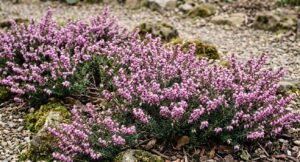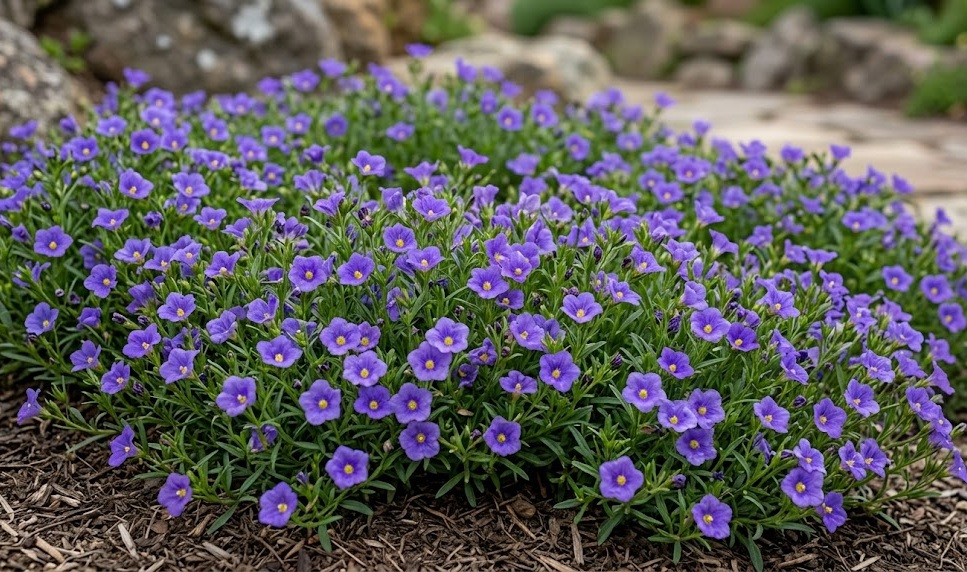

The cupflower is a delightful addition to any garden landscape, offering a carpet of bell-shaped blooms throughout the warmer months. Managing these plants effectively requires a keen understanding of their botanical needs and environmental preferences. Professional gardeners often value this species for its resilience and its ability to provide continuous color with minimal intervention. Establishing a solid foundation of care will ensure that your specimens remain vibrant and healthy throughout the entire growing season.
Soil quality is one of the most critical factors in the long-term health of these plants. They generally prefer a loamy texture that allows for adequate drainage while retaining a baseline level of moisture. Heavy clay soils can be detrimental as they often lead to root rot during periods of high rainfall. Improving your soil with organic matter before planting will provide the necessary structure for successful growth.
Temperature management is another key aspect that dictates the success of your gardening efforts. These plants thrive in warm environments but can show signs of stress when the heat becomes excessively intense. Providing a light mulch around the base can help regulate soil temperatures and protect the delicate root systems. Monitoring the local weather patterns allows you to make adjustments to their care routine as the seasons transition.
General maintenance involves regular observation of the foliage and flower production. If you notice a decline in the number of blooms, it may be time to reassess the plant’s current positioning or nutrient intake. Keeping the area free of weeds is essential to reduce competition for vital resources like water and minerals. A clean growing environment fosters a much stronger immune system for the plants against various external stressors.
Optimal environmental conditions
The physical placement of your plants within the garden determines their growth habit and flowering potential. They are known to perform best in open areas where air circulation is consistent and unrestricted. Stagnant air can often lead to the development of moisture-related issues on the leaves and stems. Selecting a site that balances protection from harsh winds with ample ventilation is a professional standard for cultivation.
More articles on this topic
Humidity levels also play a subtle but significant role in the overall vitality of the cupflower. While they are relatively adaptable, extremely dry air can cause the edges of the petals to crisp and brown. In very arid climates, placing the plants near water features or using misting techniques can help maintain a more favorable microclimate. This attention to detail separates a casual hobbyist from a truly expert gardener.
Ground cover management is a common use for this species due to its spreading nature. When using them as a border or filler, ensure that the spacing allows for future expansion without overcrowding. Overcrowded plants are more susceptible to the rapid spread of issues across the entire colony. Giving each specimen enough room to breathe will result in a much more aesthetically pleasing and healthy display.
The interaction between soil pH and nutrient availability is a complex but necessary consideration. These plants typically prefer a neutral to slightly acidic environment to facilitate the uptake of essential elements. Regular soil testing can provide you with the data needed to make informed decisions about soil amendments. Maintaining the correct chemical balance in the soil is a proactive way to prevent many common growth deficiencies.
Seasonal maintenance routines
Spring is the time for revitalization and preparing the plants for the upcoming peak blooming period. As the ground warms up, you should focus on clearing away any debris left over from the winter months. Applying a fresh layer of compost can give the plants a much-needed boost as they begin their active growth phase. This early intervention sets the stage for a spectacular floral display in the following weeks.
More articles on this topic
Summer care is primarily focused on maintaining hydration and managing the effects of high solar radiation. During the hottest weeks, the plants may require more frequent checks to ensure they are not wilting under the sun. It is often beneficial to perform maintenance tasks in the early morning or late evening to minimize plant stress. Consistency during these demanding months is the hallmark of a professional horticultural approach.
Autumn brings a shift in priorities as the growth rate naturally begins to slow down. This is the ideal time to evaluate the performance of the plants and decide if any changes are needed for the next year. Reducing the frequency of certain care tasks helps the plant prepare for its dormancy or the colder weather ahead. Proper autumn care ensures that the plant does not enter the winter season in a weakened state.
Winter maintenance varies significantly depending on your local climate and whether the plants are kept outdoors. In milder regions, minimal intervention may be required beyond ensuring the ground does not become waterlogged. For those in colder areas, protective measures are the primary focus to prevent terminal frost damage. Understanding the cyclical nature of the plant’s life allows for a more rhythmic and effective care strategy.
Nutrient management and soil health
Providing the right balance of nutrients is essential for supporting the prolific blooming of the cupflower. A slow-release fertilizer is often recommended to ensure a steady supply of energy throughout the season. Over-fertilizing can lead to excessive foliage growth at the expense of the beautiful flowers we value. Observing the plant’s reaction to feeding will help you fine-tune the dosage for your specific garden conditions.
Micro-nutrients are just as important as the primary ones, even though they are needed in smaller quantities. Iron and magnesium are often the first to become depleted in highly active garden beds. If the leaves start to show unusual yellowing patterns, it might indicate a specific mineral deficiency. Addressing these imbalances early can prevent a total decline in the plant’s ornamental value and health.
The structure of the soil should be maintained through the addition of organic components like well-rotted manure or leaf mold. This not only adds nutrients but also improves the soil’s ability to hold onto moisture without becoming soggy. Healthy soil is teeming with beneficial microorganisms that work in harmony with the plant’s roots. Promoting a living soil ecosystem is a sustainable way to achieve professional results over many years.
Mulching is a versatile tool that contributes to soil health and moisture retention simultaneously. A layer of organic mulch will slowly break down over time, enriching the earth beneath it. It also acts as a barrier against soil erosion during heavy downpours which can expose the roots. Choosing a mulch that complements the aesthetic of the garden while serving these functional purposes is a wise decision.
Flowering and aesthetic optimization
To maximize the duration of the flowering period, it is important to understand the plant’s reproductive cycle. Encouraging the plant to focus its energy on new buds rather than seed production is a common professional goal. This is achieved through specific techniques that keep the plant in a state of continuous rejuvenation. The result is a dense mat of color that remains consistent from early summer until the first frosts.
Color intensity can sometimes be influenced by the specific minerals present in your garden soil. If your blooms seem pale, a slight adjustment in the phosphorus levels might be necessary to enhance the pigmentation. Professional growers often experiment with different organic additives to achieve the perfect shade of blue or white. This level of customization allows you to create a truly unique and striking garden feature.
The density of the foliage provides a lush green backdrop that makes the flowers pop visually. Keeping the leaves healthy and free of dust or residue ensures that the plant can photosynthesize efficiently. Healthy leaves are a sign that the internal systems of the plant are functioning at their peak capacity. A well-nourished plant will naturally produce a more impressive and long-lasting floral show.
Integrating these plants with other species requires a professional eye for color and texture. They pair exceptionally well with plants that have silver foliage or upright growth habits to create contrast. Planning your garden layout with the cupflower’s spreading nature in mind will prevent it from being overshadowed. A thoughtful design ensures that every plant has the opportunity to shine without competing for visual attention.
Long-term health monitoring
Regularly inspecting your plants for any signs of physical decline is a fundamental part of expert care. Early detection of issues like stem weakness or leaf discoloration can save you a lot of effort in the future. Keeping a gardening journal to record the plant’s progress can help you identify multi-year trends. This scientific approach allows you to refine your techniques based on actual evidence from your own garden.
Root health is often overlooked because it is not visible, but it is the foundation of the entire plant. If a plant seems to be struggling despite perfect top-side conditions, the issue may lie beneath the surface. Compacted soil can suffocate roots and prevent them from expanding to find the resources they need. Gently aerating the soil around established plants can sometimes provide a significant boost in their overall vigor.
The aging process of the plant should be managed to prevent the center of the clump from becoming woody and unproductive. Every few years, you may need to take specific actions to reinvigorate the older specimens in your collection. This ensures that the colony remains youthful and continues to produce the high volume of flowers expected. Professional maintenance involves looking beyond the current season and planning for the years to come.
Environmental stressors like unexpected heatwaves or prolonged rainy spells require a flexible management style. Being prepared to provide extra shade or improved drainage on short notice can make a huge difference. A professional gardener is always one step ahead of the weather, anticipating the needs of their plants. This proactive mindset is what keeps a garden looking its best even during challenging environmental periods.
Professional tips for success
One of the best kept secrets for a stunning display is the use of high-quality, aged compost. This material provides a complex array of benefits that synthetic products simply cannot replicate in the long run. Incorporating this into your routine will build a resilient garden that can withstand many common problems. The investment in quality soil amendments always pays off in the form of healthier and more beautiful plants.
Watering techniques should be refined to ensure that the moisture reaches the deep root zones. Shallow watering encourages roots to stay near the surface, making the plant more vulnerable to drought. Using a drip irrigation system or a soaker hose is a more professional and efficient way to deliver hydration. This method also keeps the foliage dry, which is a key strategy for preventing many leaf-based diseases.
Understanding the specific variety you are growing is also important, as some may have slightly different needs. Some cultivars are bred for a more compact habit, while others are designed to trail over the edges of containers. Reading the labels and doing a bit of extra research on your specific plant will yield better results. Tailoring your care to the unique characteristics of the variety is the mark of a true expert.
Finally, don’t be afraid to experiment with the placement and grouping of your cupflowers to see what works best. Gardening is a continuous learning process, and every site has its own unique set of challenges and opportunities. Sharing your experiences with other enthusiasts can also provide new insights into professional cultivation. Enjoying the process of discovery is what makes gardening a lifelong and rewarding professional pursuit.