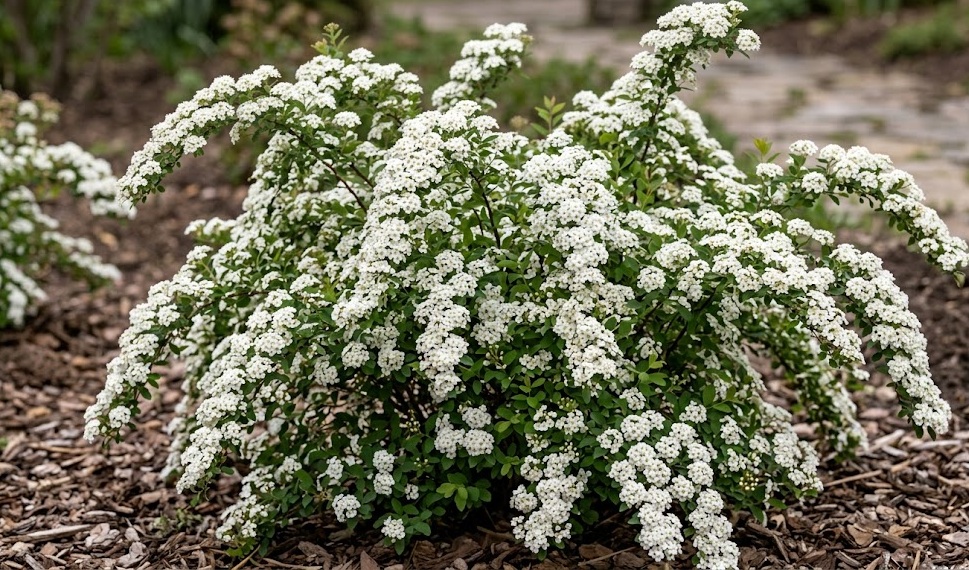

Watering and fertilizing spiraea are the two most critical tasks for ensuring the long-term vitality and aesthetic appeal of these plants. While they are known for being relatively drought-tolerant once established, they still require a consistent supply of moisture and nutrients to look their best. A well-hydrated plant is better equipped to handle environmental stressors such as heatwaves or cold snaps throughout the year. Providing the right balance of these essentials will result in a more robust shrub with a greater abundance of flowers.
Establishing a proper routine is essential, as irregular care can lead to fluctuating growth patterns and increased susceptibility to issues. You should tailor your approach based on the specific conditions of your garden, including soil type and local climate. Observation is key; the plant will often show you exactly what it needs if you know what signs to look for in the foliage. Developing a professional mindset toward these basic tasks will elevate the quality of your entire garden landscape.
The nutritional needs of these shrubs change as they move through different stages of their annual growth cycle. In the spring, they require a boost to support new leaf and stem development, while in late summer, the focus shifts toward maintaining overall health. Understanding these biological transitions allows you to apply water and fertilizer more effectively and without waste. This targeted approach is not only better for the plants but also more environmentally responsible for the gardener.
Consistent care is especially important for young plants that are still developing their primary root systems in the soil. During the first two years after planting, you must be particularly diligent about monitoring moisture levels and providing supplemental nutrition. Once the plant is fully established, it becomes much more self-sufficient, but it still benefits from occasional professional intervention. Your goal is to create a stable environment where the plant can reach its full genetic potential for beauty and longevity.
Principles of hydration
Effective hydration is about more than just splashing water on the leaves; it is about reaching the root zone where it is needed most. You should aim for deep, infrequent watering sessions rather than shallow, daily sprinkles that only wet the surface. Deep watering encourages the roots to grow further down into the soil, which makes the plant more resilient during dry periods. This fundamental principle is at the heart of professional horticulture and leads to much healthier specimens.
More articles on this topic
The best time of day to water is in the early morning before the sun reaches its full intensity. This allows the foliage to dry out quickly, which reduces the risk of moisture-related leaf issues that can occur overnight. If morning is not possible, late afternoon is an acceptable alternative, provided the leaves have time to dry before sunset. Avoid watering in the middle of a hot day, as much of the moisture will evaporate before it can soak into the ground.
You should pay close attention to the soil texture and how it affects water retention and drainage in your garden. Sandy soils drain very quickly and may require more frequent watering, while clay soils hold onto moisture for much longer. Checking the soil moisture by hand is a simple and reliable way to determine if it is time to water again. Dig down a few inches near the base of the shrub to see if the soil is actually damp at the root level.
During periods of extreme heat or prolonged drought, you may need to increase the frequency of your watering schedule significantly. Even established plants can suffer from scorched leaf edges if they are not given enough supplemental moisture during a heatwave. Watch for wilting in the afternoon, but remember that some plants wilt slightly in the sun as a defense mechanism even if the soil is moist. Always confirm the soil condition before adding more water to avoid the dangers of over-saturation and root rot.
Irrigation frequency and methods
The frequency of your irrigation should be adjusted based on the age of the plant and the current weather patterns. Newly planted shrubs usually need to be watered two or three times a week to keep the root ball consistently moist. As the plant matures and its roots spread out, you can gradually reduce this frequency to once a week or even less depending on rainfall. This transition helps the plant become more independent and better adapted to its specific site conditions.
More articles on this topic
Drip irrigation systems are an excellent way to deliver water directly to the base of the plant with minimal waste. These systems provide a slow, steady drip that allows the water to soak deeply into the soil without runoff. If you are using a traditional hose, a soaker hose laid around the base of the shrubs is a professional and efficient alternative. This method keeps the water off the foliage, which is always better for the long-term health of the plant.
If you prefer to water by hand, using a watering wand with a gentle spray setting can help you target the root zone effectively. Avoid using a high-pressure nozzle that can wash away soil or damage the delicate lower stems of the shrub. Take your time to move around each plant, ensuring that the entire area under the canopy receives an equal amount of moisture. This level of detail ensures that the root system develops evenly on all sides of the plant.
Mulching plays a vital role in your irrigation strategy by helping to keep the moisture in the soil for much longer. A good layer of organic mulch can reduce the frequency of watering by up to fifty percent during the summer months. It also prevents the soil from crusting over, which allows water to penetrate more easily during the next irrigation session. Combining professional watering techniques with consistent mulching is the most effective way to maintain a healthy garden.
Nutritional requirements
Like all living things, these shrubs require a specific set of nutrients to perform their biological functions and produce flowers. The three primary macro-nutrients they need are nitrogen for leaf growth, phosphorus for root and flower development, and potassium for overall health. A balanced approach to nutrition ensures that no single part of the plant’s growth is prioritized at the expense of another. Professional gardeners often use soil tests to determine which specific nutrients might be lacking in their particular location.
In addition to the primary nutrients, several micro-nutrients such as iron, magnesium, and calcium are essential in smaller quantities. A deficiency in these can often lead to yellowing of the leaves or poor structural integrity in the stems. Using a high-quality, slow-release fertilizer is usually the best way to provide a consistent supply of these essential elements. This prevents the “flush and crash” cycle that can occur with fast-acting liquid fertilizers that wash away quickly.
The timing of nutrient application is just as important as the type of fertilizer you choose to use. The primary feeding should occur in early spring as the plant begins its most active phase of the growing season. This provides the energy needed for the initial burst of foliage and the development of flower buds for the coming months. Avoid heavy fertilization in late autumn, as this can stimulate soft new growth that will be easily damaged by the first frosts.
Healthy soil biology also contributes significantly to the nutritional status of your shrubs by breaking down organic matter into usable forms. By regularly adding compost or other organic amendments, you are supporting a whole ecosystem of beneficial organisms. These microbes help to unlock nutrients that might otherwise be trapped in the soil and unavailable to the plant’s roots. A professional approach to nutrition looks at the entire soil-plant system rather than just adding chemical inputs.
Fertilizer types and application
There are many different types of fertilizer available, and choosing the right one depends on your specific goals and gardening philosophy. Organic options, such as composted manure or bone meal, improve the soil structure while providing a slow and steady supply of nutrients. Synthetic fertilizers are often more concentrated and can provide a quick boost if the plant is showing signs of a severe deficiency. Many professional gardeners find that a combination of both methods works best for maintaining long-term plant health.
When applying granular fertilizer, always follow the instructions on the packaging to avoid over-application, which can burn the roots. Scatter the granules evenly around the drip line of the shrub, which is the area directly under the outer edge of the branches. This is where the most active feeder roots are located and where they can best absorb the nutrients as they dissolve. After applying the fertilizer, be sure to water the area thoroughly to help move the nutrients down into the root zone.
Liquid fertilizers are useful for providing a quick pick-me-up during the growing season or for targeted foliar feeding. However, they should not be the primary source of nutrition, as they do not contribute to the long-term health of the soil structure. If you notice that your shrubs are looking a bit pale in mid-summer, a light application of a balanced liquid feed can help. Always apply liquid fertilizers to moist soil to prevent any potential root damage from the concentrated salts.
Regardless of the type of fertilizer you use, always keep it away from the actual stems and trunk of the shrub. Concentrated nutrients can irritate or damage the bark, creating an entry point for various issues that might affect the plant. Consistency is far more important than intensity when it comes to feeding your garden plants throughout the year. A professional-grade maintenance program involves small, regular inputs that support steady and healthy growth.
Seasonal feeding schedules
Your feeding schedule should be closely aligned with the natural rhythms of the plant throughout the calendar year. In the spring, a balanced granular fertilizer applied just as the buds begin to swell is the most effective intervention. This sets the stage for a productive season and ensures the plant has the resources it needs for its first major growth spurt. For varieties that bloom later in the summer, a second lighter feeding in early June can help maintain their energy levels.
As mid-summer approaches, you should generally reduce the amount of supplemental fertilizer you provide to the plant. High temperatures and potential water stress make it harder for the shrub to process large amounts of nutrients effectively. During this time, the focus should be on maintaining adequate hydration rather than pushing for more growth. Observation will tell you if the plant is maintaining its color and vigor without the need for additional chemical inputs.
By the time late summer and early autumn arrive, you should stop all fertilization to allow the plant to begin its natural hardening-off process. Stimulating new, tender growth this late in the year is risky because that growth will not have time to mature before winter. The plant needs to transition its energy toward storing carbohydrates in its roots and strengthening its existing wood for the cold months ahead. This period of rest is an essential part of the plant’s annual lifecycle and should be respected by the gardener.
Winter is a time of dormancy when no fertilizer is needed, as the plant’s metabolism has slowed down significantly. During this time, you can focus on improving the soil for the next year by adding a top-dressing of well-rotted compost. This slow decomposition will prepare the ground for the spring and provide a natural head start when the cycle begins again. Following this seasonal professional schedule ensures that your shrubs remain healthy and productive year after year.