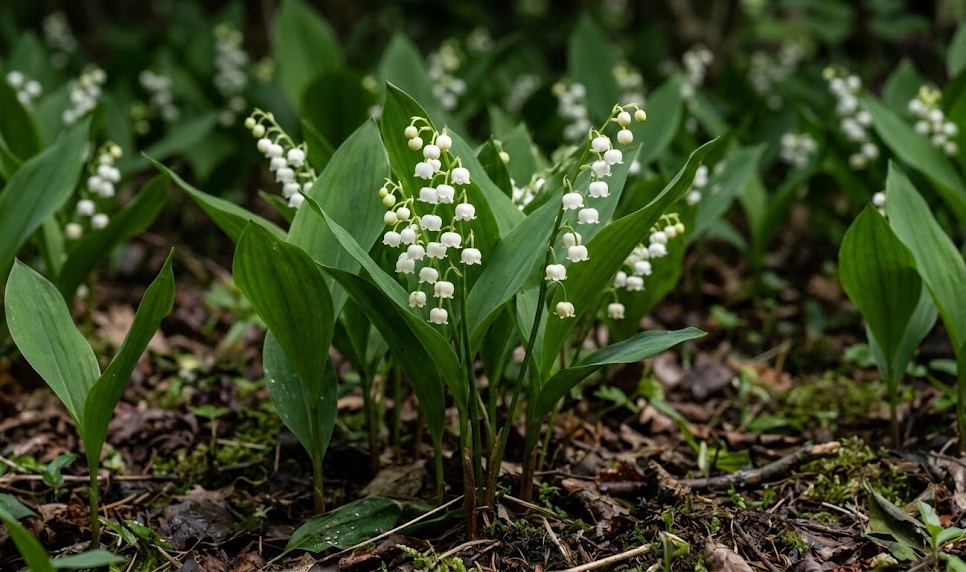

Pruning is a relatively simple but important task for keeping your lily of the valley patch looking its absolute best. Unlike many other garden perennials, these plants do not require frequent or heavy pruning to maintain their health. Most of your work will involve removing dead or damaged material to improve the aesthetic and prevent any disease issues. A professional approach to pruning ensures that the colony remains a beautiful and tidy feature in your garden.
During the spring blooming period, you may choose to prune some of the flower stalks for use in indoor arrangements. This does not harm the plant and can actually encourage it to focus more energy on the underground rhizomes. You should use a sharp pair of scissors to cut the stems as close to the base as possible without damaging the leaves. Enjoying the fragrance inside your home is one of the best rewards for all your hard work in the garden.
Once the flowers have faded, it is a good practice to remove the spent stalks to keep the garden looking professional. This process, known as deadheading, prevents the plant from putting energy into developing seeds and berries. While the red berries can be attractive, they are not necessary for the plant’s survival and can be a safety hazard. Removing the stalks early keeps the focus on the lush green carpet of foliage that remains for the rest of the summer.
You should always inspect the leaves for any signs of yellowing or spotting that might indicate a health problem. If you find a few damaged leaves, you can simply snip them off at the base to prevent any potential spread. Regular maintenance throughout the summer keeps the patch looking fresh and vibrant even after the flowers are long gone. A well-tended garden is a testament to the gardener’s attention to detail and care for the plants.
Managing the end of the growing season
The most significant cutting back of the plants occurs in the late autumn after the foliage has naturally turned brown. You should not be tempted to cut the green leaves back early, as they are still providing energy to the roots. Wait until the leaves are completely dry and brittle before you perform the final cleanup of the season. This ensures that the rhizomes have the maximum possible energy stored for the upcoming winter months.
More articles on this topic
You can use a pair of garden shears or even a sharp lawnmower on a high setting for very large patches of groundcover. Cutting the dead material down to just above the soil level will create a clean slate for the following spring. This task is much easier to perform when the weather is dry and the plant material is not clumped together. Removing the old foliage also helps to reduce the number of pests and diseases that might try to hide in the debris.
Always dispose of the dead foliage properly, especially if you have had any issues with fungal diseases during the year. It is generally better to bag up the material and remove it from the site rather than composting it in your garden. This simple precaution can save you a lot of trouble in the future by breaking the life cycle of various pathogens. A clean and professional cleanup in the fall is the first step toward a successful garden in the spring.
After cutting the plants back, you should take a moment to evaluate the overall health and density of the colony. This is a great time to decide if you need to thin the plants or expand the bed for the next year. You can mark the areas where you want to perform work in the spring while the boundaries are still visible. Thinking ahead is the hallmark of an expert gardener who takes pride in their professional-grade landscape.
Revitalizing old and overcrowded colonies
Over time, a patch of lily of the valley can become so dense that the individual plants begin to suffer from competition. You might notice that the leaves are getting smaller and the flowers are becoming fewer and further between each year. This is a clear sign that the colony needs to be thinned and revitalized through strategic pruning and division. Rejuvenating an old patch can breathe new life into your garden and restore its former beauty and fragrance.
More articles on this topic
You can revitalize a dense patch by removing about one-third of the plants every few years to create more space. This allows the remaining rhizomes to expand into the newly opened areas and grow with renewed vigor and strength. You should focus on removing the oldest and least productive parts of the colony first for the best results. This practice improves the overall airflow and light penetration, which are both essential for a healthy and thriving garden.
When you are thinning the patch, you can also take the opportunity to improve the soil in the newly cleared areas. Adding some fresh compost or organic fertilizer will provide a nutrient boost for the remaining plants as they grow. This combination of pruning and soil improvement is the best way to maintain a professional-quality garden display for many decades. Your efforts will be rewarded with a noticeably healthier and more vibrant colony in the very next season.
Regular maintenance and thinning prevent the plants from becoming a tangled and unmanageable mess in your landscape. You should aim for a balanced density that looks full and lush without being overly crowded or messy. A well-managed patch is not only healthier but also much easier to care for on a daily basis throughout the year. Taking the time to prune and manage your garden is an investment that pays off in beauty and professional results.