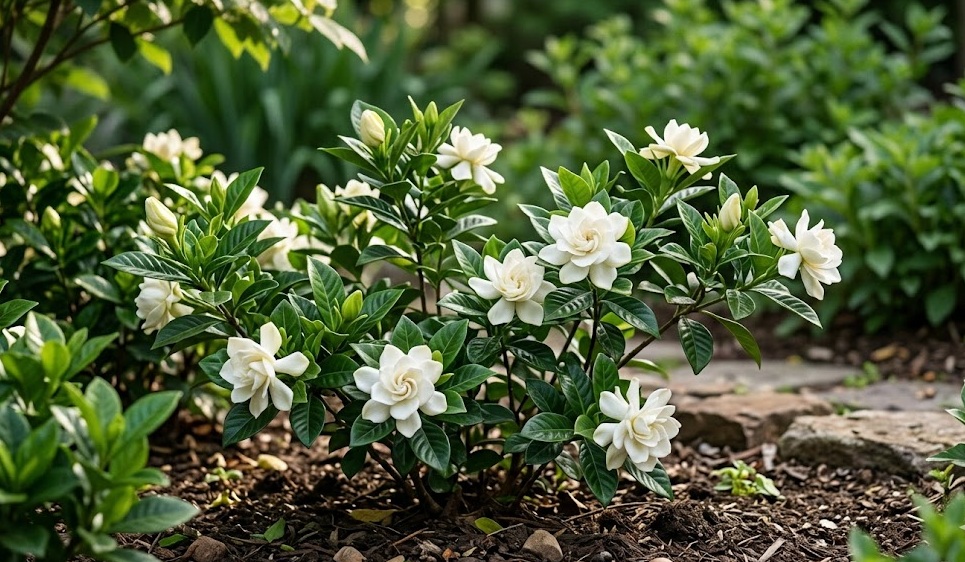

Preparing a gardenia for the challenges of the winter months is a specialized task that varies significantly depending on your local climate and the variety of the plant. Because these are essentially subtropical evergreens, they lack a true dormancy period and must continue to function even when the temperatures drop and light levels decrease. Success in overwintering requires a proactive strategy that addresses the two main threats: physical damage from freezing temperatures and physiological stress from dry indoor air. By understanding the plant’s needs during this lean season, you can ensure it emerges in the spring ready to resume its spectacular growth.
Assessing the risks of cold exposure
The first step in a successful winter plan is knowing exactly how much cold your specific gardenia variety can tolerate before it suffers permanent damage. Standard gardenias are generally hardy to about -5 or -7 degrees Celsius for short periods, but sustained freezing can kill the stems or even the entire root system. There are some “hardy” cultivars that have been bred to survive even colder temperatures, but even these benefit from some form of protection during extreme weather events. You should monitor the weather forecasts closely and be prepared to act as soon as a significant cold front is predicted for your area.
For gardenias planted in the ground, the root zone is the most critical part of the plant to protect from the penetrating cold of the winter soil. A thick layer of mulch, such as straw, pine needles, or shredded leaves, can act as an insulating blanket that keeps the soil temperature more stable. You should apply this mulch in the late autumn after the first light frost has occurred but before the ground begins to freeze solid. This layer also helps to retain moisture in the soil, preventing the “winter drought” that often kills evergreen plants during long, dry cold spells.
Above-ground protection for outdoor plants can take the form of specialized frost blankets or simple burlap wraps that shield the foliage from freezing winds. You should avoid using plastic directly against the leaves, as it can trap moisture and cause the temperature to fluctuate too wildly when the sun comes out. The goal of these covers is to create a small pocket of slightly warmer air around the plant and to prevent the desiccation of the leaves caused by cold, drying gusts. These covers should be removed during the day if the temperature rises above freezing to allow the plant to breathe and receive some sunlight.
In areas where winters are consistently harsh, the only reliable way to overwinter a gardenia is to keep it in a container and move it into a sheltered environment. This might be a cool greenhouse, a bright sunroom, or even a garage that stays above freezing but doesn’t get excessively warm. The transition from outdoors to indoors should be handled gradually to avoid the shock of a sudden change in humidity and light levels. By planning your “moving day” in advance, you can ensure that the plant is settled in its winter home before the first truly dangerous cold arrives.
More articles on this topic
Transitioning to an indoor environment
Moving a gardenia indoors for the winter is a delicate process that often triggers the most common winter problem: mass leaf drop and bud failure. To minimize this, you should begin the transition several weeks before you expect to bring the plant inside permanently. Start by moving the container to a more shaded and sheltered spot outdoors to help the plant acclimate to the lower light levels it will experience inside. This period of “hardening off” in reverse allows the plant’s metabolism to slow down gradually and reduces the physiological shock of the move.
Before the plant enters your home, it is essential to perform a thorough inspection and cleaning to ensure you aren’t bringing any unwanted pests inside with it. You should wash the foliage with a gentle stream of water and check the undersides of the leaves for aphids, mites, or scale insects. If you find any pests, treat them with insecticidal soap or neem oil while the plant is still outdoors where you have more space and better ventilation. This simple step prevents a small outdoor problem from becoming a major indoor infestation in the stagnant air of your home.
Once inside, the gardenia should be placed in the brightest possible location, ideally near a south-facing window where it can receive several hours of direct sunlight. Because the winter sun is much weaker and the days are shorter, the plant will need every bit of light it can get to maintain its energy levels. If your home doesn’t have a naturally bright spot, you may need to supplement the natural light with a specialized grow light for 12 to 14 hours a day. Without sufficient light, the plant will quickly become weak, spindly, and prone to various diseases.
Temperature management indoors is a balancing act between keeping the plant warm enough to survive and cool enough to avoid excessive moisture loss. You should avoid placing the gardenia near radiators, heating vents, or drafty doors, as these areas experience the most extreme and drying temperature fluctuations. A room that stays consistently between 15 and 20 degrees Celsius is usually ideal for keeping the plant in a state of slow, healthy maintenance. Keeping the plant away from heat sources also helps to prevent the rapid evaporation of moisture from the soil and the leaves.
More articles on this topic
Managing moisture and humidity in winter
The dry air found in most heated homes is the single greatest challenge for a gardenia during the winter months. While outdoor humidity might be high, indoor levels often drop below 20 percent, which is far too dry for a plant that thrives in subtropical conditions. You will likely need to use a dedicated room humidifier to keep the moisture levels around the plant at a more acceptable 50 to 60 percent. This constant supply of moisture helps the plant’s stomata function correctly and prevents the leaves from becoming brown and brittle at the edges.
Watering your gardenia during the winter requires a different approach than the one you use during the active growing season. Because the plant’s growth has slowed and the light is lower, it will take much longer for the soil to dry out between waterings. You should always check the soil moisture with your finger and only water when the top two inches feel dry to the touch. Overwatering in the winter is a leading cause of root rot, as the roots are less active and cannot process excess moisture as efficiently as they do in the summer.
Using a pebble tray is a simple and effective way to provide a localized boost of humidity without the need for constant misting. Fill a shallow tray with decorative stones and add enough water so that the bottom of the pot sits just above the water level. As the water evaporates, it creates a small microclimate of moist air directly around the foliage of the gardenia. You must be careful to ensure that the pot is never actually sitting in the water, as this would lead to saturated soil and the eventual suffocation of the root system.
You should also suspend all fertilization during the winter months, as the plant does not have the light or energy to support new growth. Adding nutrients when the plant is in a resting state can lead to a buildup of salts in the soil, which can damage the sensitive roots and interfere with water uptake. Wait until you see the first signs of renewed activity in the early spring before you begin your regular feeding schedule again. This period of “nutritional rest” is a natural part of the plant’s cycle and helps it prepare for the vigorous growth of the coming year.
Preparing for the spring return
As the days begin to lengthen in late winter and the sun becomes stronger, you will notice your gardenia starting to wake up from its period of rest. This is the time to carefully inspect the plant for any winter damage, such as dead tips or yellowed leaves that may have occurred during its stay indoors. You can perform light pruning to tidy up the shape and encourage new stems to grow from the interior of the plant. Removing any weak or sickly growth now will help the plant focus its energy on producing strong, healthy foliage and flower buds in the coming weeks.
Moving the plant back outdoors should be a gradual process that mirrors the transition you performed in the autumn. Start by placing the container in a shaded, protected spot for a few hours during the warmest part of the day, then bring it back inside for the night. Slowly increase the amount of time the plant spends outside and the intensity of the light it receives over a period of seven to ten days. This acclimation period prevents the leaves from being scorched by the sudden increase in UV radiation and helps the plant adjust to the fluctuating outdoor temperatures.
Once the threat of frost has completely passed and the nighttime temperatures stay consistently above 10 degrees Celsius, the gardenia can return to its permanent summer location. This is also the ideal time to refresh the top layer of soil or repot the plant if it has become root-bound during its time indoors. Begin a regular watering and fertilization schedule to support the rapid flush of growth that usually follows the return to the outdoors. The fresh air and natural light will quickly restore any vibrancy that the plant may have lost during the long winter months.
A successful overwintering experience is a testament to your skill as a gardener and your commitment to the health of your plants. Each year that you navigate the winter successfully, you learn more about the specific needs of your gardenia and how it responds to your unique home environment. These lessons make the process easier and more predictable over time, allowing you to enjoy your gardenia for many years to come. The effort you put into winter protection is rewarded every spring when those first intoxicatingly fragrant flowers begin to open.


Overwintering gardenias is a delicate task because, as the article mentions, they don’t have a true dormancy period. I’ve found that the biggest challenge is maintaining a consistent temperature that isn’t too warm to stimulate growth, yet isn’t cold enough to cause tissue damage. In my experience, a steady 55 to 60 degrees Fahrenheit is ideal for keeping them healthy through the darker months. You must also be very careful with the light; even though it’s winter, they still need as much bright, indirect light as possible to maintain their foliage. I often suggest using a full-spectrum grow light to supplement the shorter days. It’s also crucial to stop fertilizing by early October so the plant isn’t trying to produce tender new shoots when the light levels drop.
Dr. Ross, that temperature range is exactly what I aim for in my unheated sunroom, and it has worked wonders for my Gardenia jasminoides. One thing I’ve noticed is that spider mites absolutely love the dry, stagnant air that often comes with indoor overwintering. I’ve started using a small oscillating fan to keep the air moving and I mist the plants every morning to keep the humidity up. It’s also important to reduce watering, but never let the root ball dry out completely, as that can lead to irreversible root damage. I’ve lost a few plants in the past by being too cautious with the water during the winter months. Finding that balance is definitely the hardest part of the whole process.
For those of us in slightly warmer climates where gardenias can stay outside, a thick layer of pine straw mulch is a lifesaver. It protects the roots from the occasional freeze and helps maintain the soil acidity that the plants love. I also recommend wrapping the plant in burlap if a particularly hard frost is forecasted, making sure the fabric doesn’t touch the foliage directly. If you’re growing them in pots, moving them against a south-facing wall can provide enough radiant heat to get them through a cold night. I’ve seen gardenias survive surprisingly low temperatures if they are well-protected and healthy going into the winter. It’s all about preparation and being ready to act when the weather forecast takes a turn.