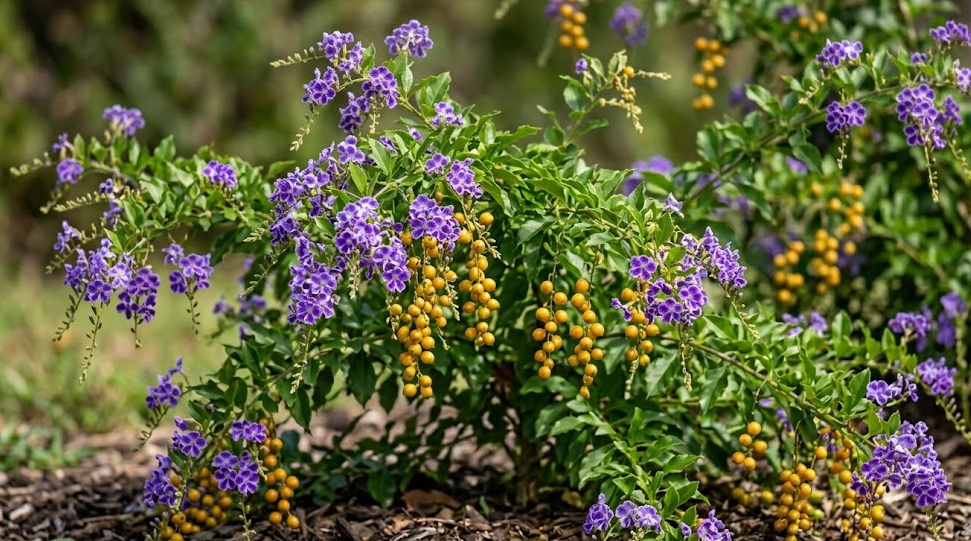

Proper hydration and nutrition are the two pillars of health that support the rapid growth and beautiful displays of the golden dewdrop. Because this plant is such a vigorous grower, it has a high demand for both water and specific minerals throughout the growing season. You must develop a keen sense of when the plant is thirsty and when it requires a boost of energy from fertilizers. Balancing these two needs is a core skill for anyone who wants to see their shrubs reach their full potential.
The frequency of your watering routine will change depending on the weather, the soil type, and the age of the plant. During a hot, dry summer, you might find that you need to water daily, especially for plants kept in containers. However, in cooler or more humid conditions, the soil will retain moisture for much longer, allowing for a more relaxed schedule. Always check the soil moisture levels manually before you decide to reach for the hose.
Fertilizing is equally important, but it must be done with precision to avoid causing harm to the plant or the surrounding environment. This species benefits from a balanced diet that supports both leaf production and the development of flowers and fruit. Over-fertilizing can lead to a flush of soft growth that is more attractive to pests and more susceptible to disease. A professional approach involves using the right products at the right time in the right amounts.
Understanding the relationship between water and nutrients is essential for maximizing the efficiency of your care routine. Water acts as the carrier that brings minerals from the soil into the roots and up to the rest of the plant. Without enough water, the plant cannot access the nutrients you have provided, no matter how much fertilizer you apply. Conversely, excessive watering can wash away valuable nutrients before the plant has a chance to absorb them.
Establishing a consistent watering routine
Consistency is the most important factor when it comes to keeping your golden dewdrop properly hydrated. Large fluctuations between extremely dry and extremely wet soil can stress the plant and lead to leaf drop or poor flowering. You should aim to keep the soil evenly moist, like a wrung-out sponge, rather than soaking wet or bone dry. This stability allows the plant to focus its energy on growth rather than recovering from water-related stress.
More articles on this topic
Watering in the early morning is generally the most effective way to ensure the plant has enough moisture to get through the day. This also allows any water that lands on the foliage to dry off quickly, reducing the risk of fungal infections. If you must water in the evening, try to apply the water directly to the soil rather than over the top of the plant. Professional growers prioritize the health of the leaves as much as the hydration of the roots.
Deep watering encourages the roots to grow further down into the soil, which makes the plant more resilient during periods of drought. A quick surface spray might look like it’s doing the job, but it often fails to reach the bulk of the root system. You should apply water slowly and steadily so that it can penetrate deep into the ground. This practice creates a more robust and self-sufficient plant that can survive even if you miss a day of care.
Mulching the soil surface is a fantastic way to conserve moisture and reduce the frequency of your watering tasks. A layer of organic material like wood chips or straw acts as an insulating blanket for the ground. It prevents the sun from baking the surface and reduces the amount of water lost through evaporation. Mulch also breaks down over time, adding valuable organic matter back into the soil for a double benefit.
Understanding the impact of water quality
Not all water is created equal when it comes to the health of your garden and its residents. City water often contains chlorine and other chemicals that can be slightly harsh on sensitive plant tissues over time. If possible, collecting and using rainwater is the gold standard for irrigation as it is naturally soft and free of additives. Your plants will often show their appreciation for high-quality water with more vibrant growth and better overall vigor.
More articles on this topic
The temperature of the water can also play a role in how the plant reacts to being irrigated. Using ice-cold water on a blazing hot day can shock the roots and lead to a temporary stall in growth. It is best to use water that is close to the ambient temperature of the environment whenever possible. This small detail can make a noticeable difference in how quickly the plant recovers and resumes its daily activities.
Hard water contains high levels of minerals like calcium and magnesium, which can build up in the soil over time. This buildup can eventually affect the pH of the soil and interfere with the plant’s ability to take up other essential nutrients. If you have very hard water, you might need to flush the soil periodically with pure water to wash away these excess salts. Regular soil testing can help you keep track of these chemical changes before they become a problem.
Using a drip irrigation system is a highly efficient way to manage water quality and quantity simultaneously. These systems deliver water directly to the root zone, reducing waste and keeping the foliage dry. They can also be automated to provide consistent amounts of water at the perfect time of day. For a large garden, investing in high-quality irrigation is one of the best things you can do for your plants.
Selecting the best fertilizers
Choosing the right fertilizer requires an understanding of what the different numbers on the package actually mean for your plant. A balanced formula with equal parts nitrogen, phosphorus, and potassium is usually a safe and effective choice for general growth. Nitrogen supports the lush green foliage, while phosphorus is critical for root development and flower production. Potassium helps with overall plant health and its ability to withstand stress and disease.
Slow-release fertilizers are an excellent option for busy gardeners who want to provide a steady supply of nutrients over several months. These products break down gradually, ensuring the plant doesn’t get a sudden overdose of minerals all at once. They are particularly useful for container plants, where nutrients are often washed out by frequent watering. One application in the spring is often enough to last through much of the growing season.
Liquid fertilizers offer a more immediate boost and can be very helpful during the peak flowering period. Because they are already dissolved in water, the nutrients are available for the plant to absorb almost instantly. You should be careful to follow the dosage instructions precisely to avoid the risk of chemical burns on the roots. Professional growers often use a combination of both slow-release and liquid products to get the best of both worlds.
Organic options like fish emulsion or seaweed extract provide more than just basic N-P-K; they also contain a variety of trace minerals. These products help to improve the health of the soil biology, which in turn supports the long-term health of the plant. While they might be slightly slower to show results, the benefits they provide to the entire ecosystem are well worth the effort. A balanced diet of both mineral and organic inputs is the hallmark of an expert fertilizing program.
Identifying and correcting nutrient issues
Expert gardeners can often tell exactly what a plant is missing just by looking at the color and shape of its leaves. Yellowing between the veins of new leaves often indicates a deficiency in iron or another micronutrient. If the older leaves are turning yellow first, the plant might be lacking nitrogen and is moving its resources to the new growth. Recognizing these symptoms early allows you to correct the problem before it affects the entire specimen.
Sometimes, a nutrient deficiency isn’t caused by a lack of minerals in the soil, but by an incorrect pH level. If the soil is too alkaline, certain elements like iron become chemically locked away and the plant cannot absorb them. In these cases, adding more fertilizer won’t help until you address the underlying acidity of the growing medium. Testing the pH is always the first step in diagnosing any suspicious-looking foliage issues.
Over-fertilizing can cause its own set of problems, including burnt leaf tips and a buildup of white salts on the soil surface. If you suspect you have applied too much, the best solution is to flush the soil with large amounts of clean water. This helps to dilute the excess minerals and move them out of the root zone as quickly as possible. It is a stressful event for the plant, so you should monitor it closely for several days afterward.
Regular soil amendments with organic compost can help prevent many nutrient issues from occurring in the first place. Compost acts as a buffer, helping to stabilize the pH and provide a wide range of essential minerals. It also improves the soil’s ability to hold onto the nutrients you add through fertilization. A healthy, living soil is the best insurance policy you can have for a thriving and beautiful garden.
Signs of overwatering and dehydration
Both too much and too little water can result in wilting, which can be confusing for a novice gardener. If the plant is wilting but the soil feels very wet, you are likely looking at the early stages of root rot. In this case, the roots have been damaged by a lack of oxygen and can no longer take up water even though it is plentiful. You must stop watering immediately and allow the soil to dry out significantly to save the plant.
On the other hand, if the leaves are drooping and the soil is dry and dusty, the plant is simply thirsty. In the case of dehydration, the leaves often feel brittle and the plant will recover quickly once it receives a good soak. You should try to catch the signs of thirst before the plant reaches the point of severe wilting to avoid permanent damage. Consistent monitoring is the only way to stay ahead of the plant’s hydration needs.
Leaves that turn yellow and fall off in large numbers can also be a sign of water stress, either from too much or too little. The plant is essentially shedding its “equipment” to conserve resources during a difficult time. If this happens, take a close look at your recent care habits and the current state of the soil to determine the cause. Once the stress is removed, the plant will usually begin to grow new leaves within a few weeks.
Learning to read the subtle signs of your plant’s health is one of the most rewarding parts of gardening. Every species has its own way of communicating its needs to those who are willing to pay attention. By providing the right amount of water and the perfect blend of nutrients, you create a foundation for excellence. Your golden dewdrop will reward your expertise with a stunning display of color and life that lasts all season long.