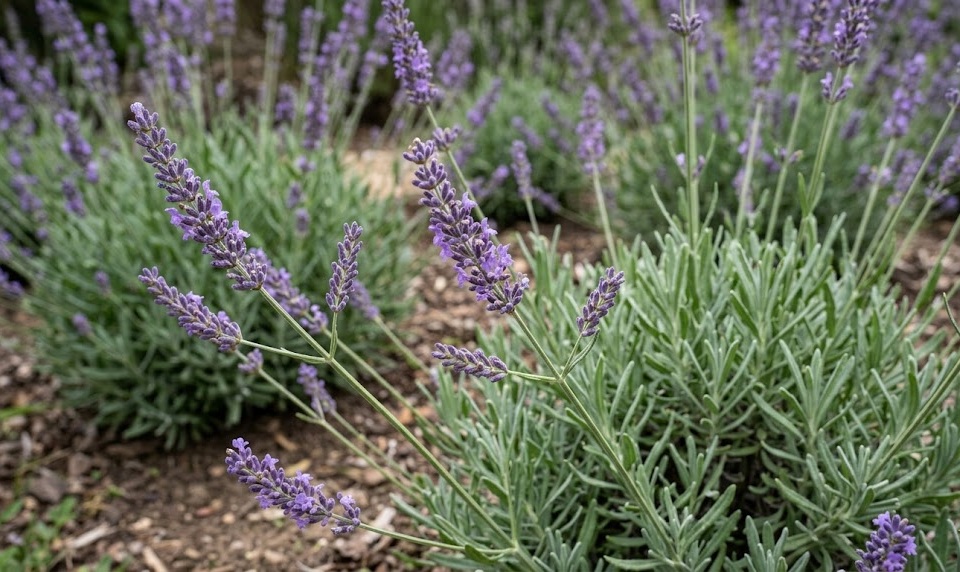

The ability of english lavender to survive the winter months is a testament to its resilience, yet successful overwintering requires specific preparations to mitigate the risks of cold and moisture. As a hybrid that combines the hardiness of traditional english lavender with the vigor of other species, it can handle significant freezing temperatures if the conditions are right. However, the combination of extreme cold and wet soil is often fatal, making drainage and protection the two most important factors for the dormant season. By understanding the plant’s physiological response to winter, gardeners can ensure a vibrant return in the spring.
Winter survival begins long before the first frost, with the management of the plant’s growth in the late summer and early autumn. It is crucial to stop any fertilization by the middle of summer to prevent the production of soft, new growth that is easily damaged by freezing temperatures. This allows the plant to focus on “hardening off” its existing stems, a process where the cell walls thicken and the internal chemistry shifts to resist frost. A plant that has been allowed to enter dormancy naturally is much more likely to survive an exceptionally cold winter.
The physical environment around the lavender plays a major role in its winter health, particularly in regions with heavy snowfall or high winter rainfall. While a blanket of snow can actually act as an insulator, protecting the plant from the drying effects of the wind, the weight of the snow can also break the brittle branches of an older shrub. In areas where the soil remains wet throughout the winter, the risk of root rot increases significantly because the plant’s metabolism is too slow to process the excess moisture. Ensuring that the planting site remains well-drained even during the dormant phase is a non-negotiable requirement.
For those in the coldest regions, supplemental protection may be necessary to buffer the lavender against the most extreme temperatures. This can involve the use of breathable covers, strategic mulching, or even moving container-grown plants to a more sheltered location. The goal is not to keep the plant warm, but to prevent the rapid fluctuations in temperature that can cause the bark to split or the roots to heave out of the frozen ground. With the right combination of variety selection and winter care, english lavender can remain a permanent and thriving part of the landscape.
Assessing cold hardiness and microclimates
English lavender is generally considered hardy in zones 5 through 9, but its actual survival depends heavily on the specific microclimate of the garden. A plant growing in a sheltered spot against a south-facing stone wall will experience much warmer average temperatures than one in an open, wind-swept field. Understanding these variations allows a gardener to place their most sensitive lavender varieties in the spots where they have the best chance of surviving a harsh winter. It is also helpful to know that young, newly established plants are often more vulnerable to the cold than mature, well-rooted shrubs.
More articles on this topic
The wind is one of the most destructive forces for lavender during the winter, as it can cause “physiological drought” by drying out the evergreen leaves while the ground is frozen. When the roots cannot take up water from the frozen soil, the plant begins to lose moisture through its foliage, leading to browning and dieback of the stems. Creating windbreaks using other hardy shrubs or temporary fences can significantly reduce this moisture loss and improve the plant’s overall survival rate. Professional growers often use specialized anti-desiccant sprays to provide a thin, protective coating on the leaves for the winter months.
Soil temperature fluctuations are another concern, particularly in regions where the ground freezes and thaws multiple times throughout the season. This “frost heaving” can actually push the root ball of a lavender plant out of the soil, exposing the sensitive roots to the air and the cold. A light layer of inorganic mulch, such as gravel or small stones, can help stabilize the soil temperature and reduce the impact of these freeze-thaw cycles. Unlike organic mulches, stones do not hold moisture against the stems, which is vital for preventing rot during the damp winter months.
In the height of winter, the color of the lavender foliage often shifts to a duller, more silvery or even slightly purple hue. This is a natural response to the cold and should not be mistaken for a sign of disease or death; it is the plant’s way of protecting its chlorophyll from the intense winter sun. As long as the stems remain flexible and the interior of the plant stays dry, the lavender is likely in a healthy state of dormancy. Observing these subtle changes helps the gardener remain patient and wait for the true signs of spring growth before taking any action.
Protective measures for extreme winter conditions
In areas where temperatures regularly drop below zero, providing a bit of extra protection can make the difference between a thriving plant and a dead one. Breathable fabrics like burlap or specialized garden fleece can be draped over the lavender to provide a barrier against the coldest winds and the most intense frost. These covers should be secured firmly to prevent them from flapping in the wind, which can damage the brittle branches of the plant. It is important to remove these covers as soon as the weather begins to warm in the spring to prevent heat buildup and the risk of fungal growth.
More articles on this topic
The use of “evergreen boughs” is a traditional and very effective method for protecting lavender during the winter. By placing branches from pine or spruce trees over the lavender shrubs, you create a natural cage that catches the snow and provides a buffered environment for the plant. This method allows for excellent air circulation while still providing significant protection from the drying effects of the sun and wind. As the snow melts, the boughs can be easily removed, leaving the lavender clean and ready for the new growing season.
Mulching for the winter requires a different approach than mulching for the summer, as the primary goal is insulation rather than moisture retention. A thick layer of straw or dried leaves can be placed around the base of the lavender to protect the roots, but it must be kept several inches away from the main stems. If these organic materials are allowed to touch the crown, they will trap moisture and almost certainly cause the plant to rot during a wet winter. In the early spring, this mulch should be cleared away immediately to allow the soil to warm up and the air to circulate around the base of the plant.
For large-scale lavender plantings, the choice of variety is the most effective form of winter protection available. Some cultivars of english lavender have been specifically bred for their cold-hardiness and are much more likely to survive in northern climates than others. If you live in a region with particularly harsh winters, it is worth doing the research to find the most resilient hybrids for your specific area. Investing in the right genetics at the beginning will save a significant amount of time and effort in the long run.
Managing container lavender during the dormant phase
Lavender grown in pots is much more exposed to the elements than those in the ground, as the cold can penetrate the root zone from all sides. To protect container-grown plants, the pots can be moved into an unheated garage, a cold frame, or a very sheltered corner of the garden. The goal is to keep the roots from freezing solid for extended periods while still allowing the plant to remain in its necessary state of dormancy. Avoid moving lavender into a heated house, as the warm, dry air will quickly stress the plant and disrupt its natural cycle.
Watering container lavender during the winter is a delicate balance that requires careful attention to the weather. While the plant is dormant and needs very little water, it can still dry out completely if it is in a spot where it doesn’t receive any natural precipitation. Checking the soil moisture once every few weeks is usually enough, and water should only be added if the soil feels bone-dry an inch below the surface. Always wait for a day when the temperature is above freezing before adding any water to the pot.
In very cold climates, the pots themselves can be wrapped in insulating materials like bubble wrap or old blankets to help protect the roots. Grouping several pots together also creates a larger thermal mass that stays warmer than a single pot on its own. If the pots are left outdoors, they should be placed on “pot feet” or bricks to ensure that the drainage holes do not freeze shut against the ground. This simple step prevents the pot from becoming a block of ice, which would be fatal to the lavender roots.
The transition back to the outdoors in the spring should be handled gradually to avoid shocking the plant with the sudden increase in light and temperature. Once the hardest frosts have passed, you can begin moving the pots back to their summer locations for a few hours each day. This “hardening off” process allows the lavender to safely wake up from its dormancy and prepare for the rapid growth of the spring. A well-overwintered container plant will often be among the first to show new green shoots as the days begin to lengthen.
Preparing for the spring recovery
As the winter begins to fade and the first signs of spring appear, the lavender will gradually start to show signs of life. This is the time to carefully inspect each plant for any winter damage, such as broken branches or areas of dieback. It is best to wait until the new growth has clearly started before doing any significant pruning, as this allows you to see exactly which parts of the plant are still alive. Removing dead wood early in the spring helps open up the center of the shrub to the returning sun and improves air circulation for the coming season.
Soil management in the early spring involves clearing away any winter mulch and checking the drainage once again. If the soil has become compacted by the weight of the snow, a very light aeration with a garden fork can help the spring rains reach the roots and improve oxygen levels. Avoid digging deeply or adding heavy fertilizers at this stage, as the plant needs to wake up at its own pace. A light application of lime can be beneficial if the winter rains have increased the acidity of the soil in your area.
The first few weeks of spring can often bring “late frosts” that are particularly dangerous for plants that have already started their new growth. If a hard frost is predicted after the lavender has begun to push out green shoots, it may be necessary to provide a temporary cover for a night or two. This protects the tender new tissue and prevents a setback that could affect the plant’s blooming potential for the entire year. Being vigilant during this transition period is the final step in a successful overwintering strategy.
Ultimately, the goal of overwintering is to bring the lavender through the cold months in a state that allows for a vigorous and healthy start to the new year. By focusing on the essentials of drainage, protection from the wind, and careful monitoring, you can successfully maintain your lavender collection even in challenging climates. Each winter provides a learning experience that helps you refine your care techniques and develop a deeper understanding of this resilient Mediterranean hybrid. The reward is the sight of the first silver-green shoots as they emerge to greet the spring sun.
In my experience in colder European climates, the key to English lavender’s winter survival is keeping the roots as dry as possible. I’ve found that even a few days of standing in wet soil during a freeze-thaw cycle can be fatal. I always recommend planting lavender on a slight mound or in a raised bed if the soil is naturally heavy. This ensures that any excess water moves away from the crown and prevents the roots from becoming waterlogged. It’s a simple but very effective way to improve the plant’s chances of making it through a tough winter.
I’ve definitely noticed that my lavender in the raised bed does much better than the ones in the main garden border. The drainage is just so much better and they don’t seem to suffer from the same issues after a wet winter. I’ll be moving the rest of my lavender to the raised beds this spring based on your advice. It’s so helpful to have these professional insights to help us avoid common mistakes. Thank you for sharing such a practical and effective tip!
Regarding mulching, I recommend using a more “airy” material like pea gravel rather than organic mulches like wood chips or compost. Organic mulches can hold moisture against the stems and lead to crown rot during a wet winter. Pea gravel, on the other hand, allows the water to drain away quickly and keeps the base of the plant dry. It also helps reflect light and heat back into the plant, which can be beneficial in the early spring. I’ve found that this simple change in mulching practices can significantly improve the overwintering success of English lavender.
If you are expecting an extreme cold snap, a bit of horticultural fleece can provide some valuable protection for your lavender. Just make sure to remove it as soon as the temperatures moderate, as you don’t want to trap too much moisture around the plant. I also try to avoid any late-season pruning, as the old growth can provide a bit of a windbreak and frost protection for the crown. I always wait until the first signs of green growth in the spring before I do my main pruning. This ensures that the plant is as healthy and resilient as possible before it starts its new season.