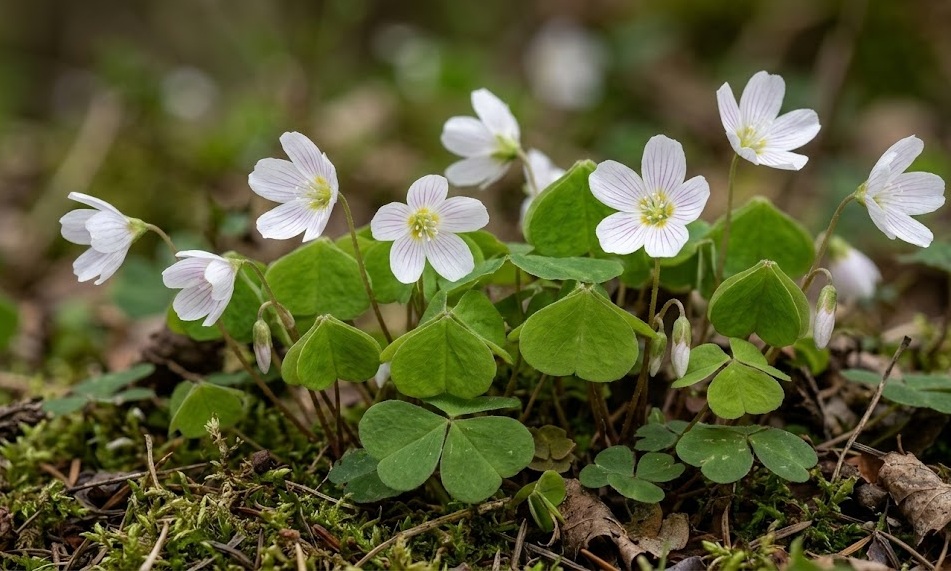

The care of this delicate forest plant requires a deep understanding of its natural habitat and physiological needs. It thrives best when we recreate the cool, shaded, and moist conditions found on the floor of temperate woodlands. Gardeners must focus on providing a stable environment that avoids the extremes of heat and direct, scorching sunlight. Attentive observation is necessary to ensure the plant remains vibrant and healthy throughout its growing season.
The soil environment plays a crucial role in the overall vitality of the wood sorrel during its development. These plants prefer a substrate that is rich in organic matter and mimics the natural leaf mold found in forests. You should ensure that the soil remains loose and well-aerated to allow the fragile rhizomes to spread without resistance. Proper drainage is equally important to prevent waterlogging, which can lead to the decay of the underground structures.
Temperature management is another vital aspect of maintaining this species in a domestic or garden setting. It prefers cooler temperatures and may struggle or enter early dormancy if exposed to prolonged summer heat. Providing a thick layer of mulch can help regulate soil temperatures and protect the roots from sudden fluctuations. In regions with particularly hot summers, placing the plant in the deepest shade available will significantly improve its chances of survival.
Humidity levels should be kept relatively high to match the atmospheric conditions of a dense forest canopy. Dry air can cause the edges of the sensitive, heart-shaped leaves to turn brown or curl inward. Regular misting or the use of a pebble tray can help increase localized humidity for specimens grown in containers. During periods of drought, extra care must be taken to ensure the surrounding environment does not become too arid for the plant to thrive.
Maintaining soil acidity and structure
The acidity of the soil is a determining factor for the success of cultivating this specific woodland perennial. It naturally prefers a slightly acidic to neutral pH level, which helps in the efficient uptake of essential nutrients. You can incorporate pine needles or peat moss into the soil mix to achieve the desired acidity levels over time. Testing the soil periodically will give you a clear indication of whether any further amendments are required for optimal growth.
More articles on this topic
Soil structure must be maintained to provide a balance between moisture retention and essential gas exchange. A heavy clay soil will likely suffocate the delicate roots and should be amended with coarse sand or organic compost. The goal is to create a spongy texture that feels light to the touch and holds moisture without becoming muddy. If the soil becomes too compacted, the plant’s growth will be stunted and its spread will be significantly limited.
Organic matter serves as the primary source of nutrition and structural support for the wood sorrel in its natural state. Decomposed leaves and bark provide a steady release of nutrients while also supporting a healthy community of soil microorganisms. You should avoid using heavy chemical fertilizers that can disrupt this natural balance and potentially burn the sensitive rhizomes. A thin layer of fresh compost added every spring is usually sufficient to maintain the necessary soil quality.
Aeration within the root zone is often overlooked but remains critical for the long-term health of the plant. Since the rhizomes grow close to the surface, they are particularly susceptible to lack of oxygen in waterlogged or dense soils. Lightly scratching the surface of the soil can help improve air penetration, provided you are careful not to damage the plant. Choosing the right location with naturally loose soil will save you significant effort in the long run.
Managing humidity and temperature
Sustaining a consistent level of moisture in the air is one of the more challenging aspects of caring for this forest dweller. In an outdoor garden, the presence of taller companion plants can help create a sheltered microclimate with higher humidity. If you notice the foliage becoming brittle or losing its lush green color, it is often a sign of insufficient atmospheric moisture. Integrating a water feature or simply group planting can help maintain the damp conditions these plants crave.
More articles on this topic
Temperature control is essential for preventing the plant from entering a premature state of dormancy or heat stress. During the peak of summer, the wood sorrel will naturally close its leaves to protect itself from excessive evaporation and heat. You can help the plant by ensuring it is positioned in a north-facing spot or under the dense canopy of trees. If the ambient temperature stays above thirty degrees Celsius for too long, the plant may die back to the ground until cooler weather returns.
Protecting the plant from dry, cold winds is just as important as managing the summer heat and humidity. Strong winds can quickly strip moisture from the leaves and lead to desiccation even if the soil is adequately moist. A sheltered location behind a wall or a hedge provides the necessary protection from these environmental stresses. During the spring and autumn transitions, keep a close eye on the weather forecast to anticipate any sudden changes that might affect the plant.
The physiological response of the leaves to light and temperature is a fascinating aspect of its general care routine. The leaves exhibit nyctinasty, meaning they fold downward at night or when the weather becomes particularly harsh or stormy. This is a natural defense mechanism that helps the plant conserve energy and protect its reproductive organs. Understanding these movements will help you distinguish between a healthy environmental response and a sign of actual distress.
Seasonal maintenance tasks
Spring marks the beginning of the active growth period and is the ideal time to clear away any debris from the previous year. You should gently remove dead leaves or fallen branches that might obstruct the emergence of new, tender shoots. This is also the best time to apply a fresh layer of mulch to help retain moisture as the temperatures begin to rise. Ensuring a clean start in the spring sets the foundation for a vigorous display of foliage and flowers.
During the summer months, the primary focus shifts to monitoring water levels and protecting the plant from intense solar radiation. You may need to increase the frequency of watering if the rainfall is insufficient to keep the soil consistently damp. It is better to water early in the morning so that the foliage has time to dry before the evening. Check the plant regularly for any signs of wilting or leaf scorch which would indicate a need for more shade or water.
Autumn is the period when the wood sorrel begins to prepare for its winter dormancy and its growth rate naturally slows down. You should reduce the frequency of watering at this stage to allow the plant to harden off effectively. Do not be alarmed if the foliage starts to yellow and die back, as this is a normal part of its life cycle. Leaving some of the fallen leaves in place can provide natural protection for the rhizomes throughout the colder months ahead.
Winter care is minimal but remains important for ensuring the plant returns successfully in the following spring season. If you live in an area with very harsh winters, a thicker layer of straw or leaf mulch can provide extra insulation. The plant is generally hardy, but extreme frost heaving in the soil can sometimes displace the shallow rhizomes. Checking the planting site after a major thaw will allow you to gently press any exposed roots back into the ground.
Indoor care considerations
Growing the wood sorrel as an indoor plant requires a very specific setup to mimic its native forest environment. You should place the container in a spot that receives bright but filtered light, such as a window with a sheer curtain. Avoid placing the pot near heating vents or air conditioners, as these can create the dry air that the plant finds so stressful. Consistency is the key to success when managing this species within the confines of a home or office.
The choice of pot and potting medium is critical for the health of an indoor specimen of this delicate woodland herb. A shallow but wide container is often better than a deep one because of the plant’s spreading rhizomatous growth habit. Use a high-quality potting mix that includes peat or coco coir to maintain the required acidity and moisture levels. Ensure that the pot has adequate drainage holes to prevent the accumulation of stagnant water at the bottom of the root zone.
Watering indoor plants requires a delicate touch to avoid both drought stress and the dangers of overwatering. You should wait until the very top layer of the soil feels slightly dry to the touch before adding more water. It is often helpful to use rainwater or distilled water, as the plant can be sensitive to the chemicals found in tap water. Monitoring the weight of the pot can be a simple and effective way to gauge the moisture levels within the soil.
Indoor air can often become too dry, especially during the winter months when heating systems are running constantly. To combat this, you can use a room humidifier or group your plants together to create a small pocket of higher humidity. Regularly cleaning the leaves with a gentle mist can also help remove dust and keep the plant looking its best. If the plant appears to be struggling, moving it to a bathroom or kitchen where humidity is naturally higher might provide the necessary boost.
Long-term health and rejuvenation
After several years in the same location, a patch of wood sorrel may begin to look overcrowded or less vigorous than before. This is a natural occurrence as the rhizomes compete for space and the available nutrients in the soil become depleted. You can rejuvenate the colony by carefully thinning out the older sections and allowing room for new growth to emerge. This process is best performed in the early spring just as the first signs of life begin to appear.
Supplementing the soil with organic matter every few years helps to maintain the long-term health of the planting site. You can top-dress the area with a mixture of well-rotted leaf mold and a small amount of organic compost. This mimics the natural cycle of the forest floor where falling leaves provide a constant stream of new nutrients. Avoid disturbing the roots too deeply during this process, as the plant prefers a stable and undisturbed environment.
Monitoring for signs of declining health is an ongoing task that becomes more important as the planting matures. If you notice a significant reduction in flowering or a thinning of the foliage, it may be time to reassess the environmental conditions. Factors such as encroaching tree roots or changes in light levels due to growing overhead canopy can impact the plant’s performance. Being proactive in adjusting the care routine will ensure the wood sorrel remains a beautiful part of your garden for many years.
Encouraging the plant to self-seed can also contribute to a healthy and regenerating colony over the long term. Allow some of the flowers to go to seed and let the seed capsules ripen naturally until they explode and scatter their contents. This natural process ensures a diverse population of plants that can better adapt to the specific conditions of your garden. Providing a clear and receptive soil surface around the main colony will help these new seedlings establish themselves successfully.
Environmental stressors and adaptation
The wood sorrel is a remarkably resilient plant, but it does have specific limits when it comes to environmental stress. Heavy foot traffic or soil compaction can quickly destroy a thriving patch of these delicate forest dwellers. It is best to plant them in areas where they will not be disturbed by pets or frequent human activity. Creating a small barrier or using low-growing companion plants can help protect the sorrel from accidental damage.
Changes in the local climate, such as unseasonably warm winters or extended summer droughts, can put a strain on the plant’s resources. During these times, providing supplemental care like extra mulch or temporary shading can make a significant difference. The plant’s ability to retreat into its rhizomes during difficult periods is a key survival strategy that allows it to persist. Observing how the plant reacts to these stresses can provide valuable insights into its overall resilience and health.
Pollution and poor air quality can also affect the growth and appearance of this sensitive woodland species. In urban environments, the accumulation of dust and toxins on the leaves can hinder the plant’s ability to photosynthesize effectively. Periodically rinsing the foliage with clean water can help mitigate some of these negative impacts and keep the plant healthy. Choosing a planting site that is shielded from major roads or industrial areas will provide a much better environment for growth.
The interaction between the wood sorrel and its neighboring plants is a final consideration for managing environmental stress. Some aggressive groundcovers might attempt to outcompete the sorrel for space, light, and nutrients in the garden. You should choose companion plants that share similar needs and have a non-invasive growth habit to ensure harmony. Maintaining a balanced ecosystem within the garden will help the wood sorrel find its place and thrive alongside its forest-dwelling peers.